


Ever found yourself in a sweltering room with rising indoor humidity when your air conditioning equipment decides to take a break on the hottest day of the year, leaving you longing for the cooler air outside? That’s where professional AC repair techs come into play, swooping in with their equipment like a cool breeze from outside to save the day. It’s not just about getting immediate relief from the problem; it’s about ensuring your water equipment runs efficiently, thanks to our techs, for years to come. With skilled technicians, the right tools, and a commitment to quality, professional AC repair services are your frontline defense against unexpected breakdowns and energy bill spikes. So before you face the heat head-on, remember that help is just a call away.
Key Takeaways
- Recognizing the signs of AC problems early can save you time and money, so stay vigilant for unusual noises, inconsistent cooling, or unexpected spikes in energy bills.
- Common repair requests often involve refrigerant leaks, electrical issues, or mechanical wear and tear; understanding these can help you communicate more effectively with repair technicians.
- Before calling for professional help, perform simple checks like ensuring your thermostat is set correctly, inspecting air filters for blockages, and examining vents and circuits for any obvious disruptions.
- Regular maintenance, such as cleaning filters and scheduling annual check-ups, can prevent many issues and extend the lifespan of your AC unit, ultimately improving its efficiency and performance.
- Establishing a relationship with a trusted professional AC repair service ensures that when problems arise, you have a reliable source for quick and effective solutions.
- By being proactive about your AC’s health and understanding what to look out for, you can maintain a comfortable living environment and avoid the inconvenience of unexpected breakdowns.
Understanding AC Problems
Common Symptoms
AC units show distress in various ways. Room-temperature air blowing from vents often signals a problem. It suggests the system isn’t cooling as intended. Unusual sounds, such as grinding or whistling, indicate mechanical issues. They should not be ignored. Moldy odors point to mold or mildew within the system, which poses health risks.
Homeowners notice these signs quickly. They disrupt comfort and raise concerns about air quality. Immediate attention helps avoid larger repairs later on.
Leak Urgency
Coolant leaks are serious. They require prompt action to prevent damage to the AC unit and the environment. Increased cooling bills often accompany leaks due to decreased efficiency.
Leaks also pose health risks if coolant is inhaled over time. Professionals can detect and repair leaks safely, ensuring the system operates correctly and economically.
Non-Stop Running
AC units that run continuously without cooling waste energy and strain the system. This non-stop operation leads to higher utility bills and potential burnout of AC components.
It’s crucial for homeowners to recognize this issue early on. It prevents further damage and saves money on repairs and energy costs.
Common Repair Requests
Capacitor Issues
Capacitors play a critical role in starting and running an air conditioner. Capacitor failures are common repair requests. They can cause the AC unit to stop functioning or reduce its efficiency. Technicians often replace faulty capacitors quickly to restore function.
Motor Repairs
The fan motor is essential for circulating air. When it malfunctions, the system’s performance drops significantly. Fan motor repairs range from simple fixes to complex replacements. Timely intervention prevents further damage and maintains air quality.
Refrigerant Levels
Refrigerant recharges address leaks or low levels that impact cooling power. It’s vital for technicians to find the leak source before recharging the system. This ensures long-term solutions rather than temporary fixes.
Circuit Board Fixes
Circuit boards are the brains of an AC unit. Fixing them requires technical expertise due to their complexity. Faulty circuit boards may lead to erratic behavior or complete shutdowns of the system.
Thermostat Troubles
Thermostats control the temperature settings of an AC unit. Issues with thermostats can mislead the system, causing it to underperform or overwork itself. Resolving thermostat issues often involves recalibration or replacement.
Contractor Wear
Contractors endure constant electrical loads, leading to wear over time. Worn-out contractors need replacing to prevent electrical failures and ensure proper current flow within the AC system.
Cleaning Condensers
Dirty condensers hinder heat transfer, a key process in cooling your space. Regular cleaning is crucial for efficient operation and prolonging equipment life.
Filter Maintenance
Clogged filters restrict airflow and strain the system, leading to inefficiency and potential breakdowns. Simple filter maintenance can greatly improve air quality and reduce energy consumption.
Before You Call for Help
Check Power
Before reaching out to a professional, it’s wise to examine your AC unit’s power sources. Ensure the system is plugged in and the circuit breaker hasn’t tripped. This quick check could save you both time and money.
It’s common for homeowners to overlook simple issues like a flipped switch or an unplugged cord. Confirming these can often solve the problem without needing expert intervention.
System Settings
Next, review your thermostat settings. The issue might be as straightforward as incorrect temperature settings or a switched-off fan. Adjusting these settings properly can sometimes get your system back up without further assistance.
Homeowners should familiarize themselves with their thermostats. It helps them troubleshoot minor issues and effectively communicate with technicians if needed.
Listen Carefully
Pay attention to any unusual sounds coming from your AC. Strange noises can indicate specific problems that may be simple fixes, such as loose parts or debris interference.
Identifying these sounds early can prevent more significant issues later on. Documenting them also provides valuable information to repair technicians if a call becomes necessary.
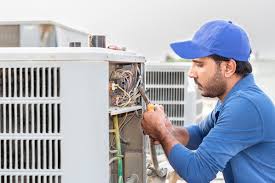
Visual Inspection
Conduct a visual inspection of your unit, especially the outside components. Look for signs of physical damage or blockages that could affect performance. Clear away leaves, dirt, and other debris that might obstruct airflow.
A clean unit operates more efficiently and is less likely to break down. This maintenance task is something homeowners can manage without professional help.
Understand Operations
Gaining a basic understanding of how your AC works empowers you to identify when something isn’t right. Recognize warning signs like weak airflow or warm air from vents as potential indicators of trouble.
This knowledge not only aids in troubleshooting but also ensures you’re informed when discussing issues with repair specialists.
Checking the Thermostat
Correct Settings
The thermostat acts as the command center for your AC system. It’s crucial to ensure it’s set for cooling. Start by checking if the thermostat is on the correct setting to lower indoor temperatures. Batteries are often overlooked, yet they’re vital for thermostat operation. Replace them regularly to avoid disruption in performance.
Thermostats can lose calibration over time, leading to inaccurate temperature control and increased energy consumption. Regular maintenance ensures settings remain precise, preventing unnecessary strain on your AC unit.
Placement Matters
Thermostat placement plays a key role in accurate temperature readings. If placed near windows or heat sources, it may trigger false cooling cycles. This leads to excessive cooling and discomfort. Ensure your thermostat is located away from direct sunlight and other heat-emitting appliances.
Proper placement also helps in maintaining consistent indoor humidity levels. Humidity impacts how cool your home feels; a well-placed thermostat regulates both temperature and indoor humidity effectively.
Maintenance Checks
Regular checks on your thermostat can prevent many common AC issues. Dust and debris can accumulate inside the device, causing it to malfunction or provide incorrect readings. Clean your thermostat gently with a soft brush or cloth.
Another aspect of maintenance is updating outdated thermostats. Modern programmable models offer better efficiency and control over indoor climate, potentially saving you money on energy bills in the long run.
Inspecting Air Filters
Filter Location
Air filters are crucial for trapping dust and pollutants. They ensure clean airflow throughout your home. To locate them, check the return duct or near the HVAC system’s air handler. Some systems have filters in ceiling or wall vents.
Open the cover or panel gently. Inside, you’ll find the filter that needs checking.
Condition Check
Assessing your filter’s condition is straightforward. If you see a buildup of dust and debris, it’s time for action. Hold the filter up to a light source. A clogged filter will block light and show visible dirt accumulation.
Replace or clean it if necessary to maintain optimal airflow and air quality.
Maintenance Schedule
To keep your system running efficiently, establish a regular maintenance schedule. Experts recommend checking filters every 30 days. Replace disposable ones or clean reusable types at least every 90 days.
In homes with pets or high pollen counts, consider more frequent changes to ensure system efficiency.
Energy Impact
Neglected air filters can lead to increased energy use. When airflow is obstructed, your system works harder to circulate air. This extra strain can result in higher utility bills and potential system damage over time.
Ensure regular inspections to avoid these unnecessary costs and wear on your HVAC unit.
Examining Vents and Circuits
Vent Maintenance
Ensuring that air flows freely through your home’s vents is crucial. Start by checking if all vents are open. Closed or blocked vents can cause your AC system to work harder, leading to potential breakdowns. It’s also important to keep them clean. Dust and debris in the ducts can impede airflow and diminish indoor air quality.
Techs recommend a visual inspection of each vent. Look for any objects that might be blocking the passage of air. Sometimes furniture or drapes can obstruct vents without you realizing it. If you spot blockages, remove them promptly.
Circuit Checks
A common oversight in AC troubleshooting is the electrical system. Before calling in a professional, check if the AC unit’s circuits are functioning properly. A tripped breaker or blown fuse could be why your AC isn’t working. Locate your home’s electrical panel and find the circuit dedicated to the HVAC system.
Reset any tripped breakers related to the AC unit. If issues persist, consider whether a power surge may have damaged circuits. In such cases, you might need an electrician to assess and repair electrical components safely.
Safety First
When inspecting electrical components, prioritize safety above all else. Always turn off power at the breaker box before examining any wiring connected to your AC unit. Use tools with insulated handles and wear rubber-soled shoes for extra protection against electric shocks.
Never attempt repairs that seem beyond your skill level—electrical work can be dangerous and is best left to certified technicians. They possess the expertise necessary for safe and effective repairs.
Preventing Future Issues
Regular Maintenance
Professionals stress the importance of regular inspections. These check-ups catch potential problems before they escalate. Homeowners find peace of mind knowing their AC systems are reviewed by experts annually. This proactive approach can prevent issues that disrupt comfort and incur hefty costs.
Technicians look for signs of wear or damage during maintenance visits. They also ensure the system isn’t cycling improperly, which strains components. With skilled eyes, they identify parts needing attention, safeguarding against sudden breakdowns.
Quality Parts
Investing in high-quality components pays off in longevity. Cheap alternatives may save money short-term but often lead to more frequent repairs. Professionals recommend quality parts to enhance performance and durability.
Regular cleanings are part of this investment. Dust and debris cause blockages and inefficiency over time. A clean unit operates smoothly, reducing strain on its parts and extending its life.
Proper Installation
A great experience with AC units begins with proper installation. Incorrect setup can lead to numerous problems down the line, from minor annoyances to major malfunctions. Customers should ensure professionals handle the job from the start.
Usage practices also play a crucial role in preventing issues. For instance, setting a thermostat to a reasonable temperature reduces unnecessary cycling. It’s about finding balance between optimal comfort and smart energy use.
Importance of Regular Maintenance
System Reliability
Regular maintenance is crucial for the longevity and performance of air conditioning systems. Bi-annual checks by professionals can prevent minor issues from escalating into major problems. These regular tune-ups ensure that all components are functioning correctly, which maintains system reliability.
Professionals assess the condition of filters, coils, and fins during maintenance visits. They replace or clean as needed. Such attention to detail can significantly extend an AC unit’s lifespan. It also ensures that it runs efficiently throughout the year.
Cost Savings
Air Pros offers special deals on system health checks and preventive maintenance plans. These offers are designed to make routine upkeep more affordable. By investing in these services, homeowners save money in the long run.
Preventive maintenance helps avoid costly emergency repairs. It keeps energy bills low by ensuring the AC operates at peak efficiency. Homeowners benefit from both immediate and long-term cost savings with these plans.
Breakdown Prevention
Unexpected breakdowns are more than just inconvenient; they can be expensive and stressful. Regular maintenance identifies potential problems before they cause a system failure. This proactive approach saves homeowners from the discomfort and expense of emergency repairs.
Technicians spot wear and tear during routine inspections. They recommend replacements or repairs before these issues lead to a complete system breakdown. This foresight prevents the inconvenience of living without air conditioning when you need it most.
Final Remarks
Navigating the maze of AC troubles can be a breeze when you’re armed with the right info. We’ve walked through the common issues, from thermostat checks to filter inspections, and underscored the gold mine that is regular maintenance. Think of your AC as a trusty sidekick in your home comfort—give it the TLC it deserves, and it’ll keep your space cool as a cucumber.
Ready to dodge those sweltering summer meltdowns? Reach out to a pro for that peace-of-mind repair or tune-up. Your future self, chilling in blissful coolness, will thank you. And remember, keeping your cool is more than a state of mind—it’s about taking action. So go ahead, make that call!
Frequently Asked Questions
What are the most common AC problems I might face?
Most AC issues stem from faulty wiring, low refrigerant levels, or a malfunctioning compressor. It’s like your AC catching a cold; symptoms can vary but often include unusual noises or poor cooling.
How do I know if my AC needs professional repair?
If your thermostat is set correctly and filters are clean but it’s still not cooling properly, or you hear strange sounds, it’s time to call in the pros. Think of it as a cry for help from your AC!
Can I do any checks myself before calling for an AC technician?
Absolutely! Ensure your thermostat settings are correct, check if air filters are clogged, and make sure all vents are clear. It’s like detective work for your home comfort.
Why is regular maintenance important for my air conditioner?
Regular maintenance keeps your AC running smoothly, much like oil changes for your car. It can prevent costly repairs and extend the life of your unit.
What simple steps can I take to prevent future AC issues?
Change filters regularly, keep outdoor units clear of debris, and schedule annual maintenance checks. It’s the equivalent of eating healthy and exercising for your AC system.
When inspecting my air conditioner, what should I look out for?
Listen for odd noises and check if there’s ice on the coils. Also, see if the outdoor unit is dirty or obstructed. These could be signs that something’s not right under the hood.