


Proper ventilation plays a crucial role in maintaining air quality and reducing pollution indoors in your Minnesota home, addressing energy efficiency concerns while providing a shelter for comfort, as noted on our website. Poor air circulation due to a ventilation problem can lead to health issues and uncomfortable living conditions, despite much ventilation from residential ventilation systems and natural ventilation. Historically, homes were built with poor ventilation practices and minimal airflow, trapping pollutants indoors, unlike a balanced ventilation system or dilution ventilation. Today, we understand the importance of a ventilation system and fresh air for a healthy lifestyle.
Ventilation helps reduce humidity levels and prevents mold growth. It also removes harmful particles like dust and allergens. By ensuring your home has adequate ventilation, you reduce indoor air pollutants and prevent indoor air quality problems, creating a safer environment for your family by addressing inadequate air exchange and improving air indoors. Understanding the impact of proper ventilation on your Minnesota home’s air quality is essential for long-term well-being.
Key Takeaways
- Recognize the signs of poor ventilation, such as musty odors and condensation, and indoor air pollutants, to take action early in your Minnesota home.
- Identify stagnant air issues by checking for areas where air does not flow freely, like corners and closed rooms.
- Be aware of common symptoms of poor airflow, including headaches and allergies, to protect your family’s health.
- Understand the health risks associated with inadequate ventilation, which can lead to respiratory problems and mold growth.
- Implement best practices for better airflow, such as using exhaust fans and keeping vents clear, to improve air quality effectively.
- Explore mechanical ventilation solutions if natural methods are insufficient to ensure your home remains healthy and comfortable.
Signs of Poor Ventilation in Minnesota Homes
Condensation Issues
Condensation often appears on windows during colder months. This moisture buildup signals poor air circulation. It can lead to larger problems, like mold growth. Homeowners should check for water droplets regularly. If condensation is common, it may indicate a need for better ventilation.
Mold and Mildew Growth
Mold and mildew thrive in damp areas. These fungi often appear in bathrooms or basements. Dark spots on walls or ceilings are clear signs. Their presence can affect indoor air quality. Health issues may arise from prolonged exposure. Homeowners must act quickly to remove them.
Musty Odors
A musty smell often indicates mold or mildew nearby. This odor is unpleasant and can linger in homes. Residents should pay attention to any strange scents. Identifying the source is crucial for health and comfort. If the smell persists, it’s time to investigate further.
Stale Air
Stale air creates a feeling of stuffiness indoors. This sensation often occurs in tightly sealed homes. Without proper airflow, pollutants accumulate in the air. Residents may find it hard to breathe comfortably. Opening windows occasionally can help improve air quality.
Dust and Allergens
Excessive dust and allergens are common in poorly ventilated spaces. Dust can settle on surfaces quickly without airflow. Allergens, such as pollen and pet dander, also build up over time. Regular cleaning is essential to reduce these irritants. However, improving ventilation will significantly help.
Temperature Regulation Issues
Temperature regulation becomes challenging with inconsistent airflow. Some rooms may feel hotter or colder than others. This imbalance can lead to discomfort for residents. Proper ventilation systems distribute air evenly throughout the home. Investing in these systems ensures a more comfortable living environment.
Identifying Stagnant Air Issues
Stuffy Rooms
Check for rooms that feel stuffy. These spaces often lack proper air circulation. Common areas include basements, attics, and small bedrooms. If a room feels warm and uncomfortable, it might have stagnant air. Proper ventilation helps maintain a balanced temperature. Open windows or use exhaust fans to improve airflow.
Carbon Dioxide Levels
Measure carbon dioxide levels in your home. High CO2 levels indicate poor ventilation. This is especially important in tightly sealed homes built after 2000. Homes with energy-efficient designs can trap air inside. Use a carbon dioxide monitor to track levels. A reading above 1,000 parts per million (ppm) suggests inadequate airflow.
Humidity Sensors
Use humidity sensors to detect moisture levels in your home. High humidity can lead to mold growth and health issues. Ideal indoor humidity should be between 30% and 50%. Areas like bathrooms and kitchens often have higher moisture levels. Install sensors in these locations for accurate readings.
Health Impacts
Stagnant air affects health negatively. Poor air quality can lead to headaches, fatigue, and respiratory problems. Children and the elderly are particularly vulnerable. Exposure to high CO2 levels can cause dizziness and shortness of breath. Improving ventilation reduces these risks and enhances overall well-being.
Energy Efficiency
Proper ventilation also impacts energy usage. When air circulates well, HVAC systems work more efficiently. This leads to lower energy bills and a smaller carbon footprint. Sealing leaks in ducts can further improve energy efficiency.
Real-Life Example
Consider a family living in a Minnesota home built in 2015. They noticed their basement felt damp and musty during winter months. After measuring CO2 levels, they found readings at 1,200 ppm. They installed a dehumidifier and opened windows regularly for fresh air. Over time, their indoor air quality improved significantly.
Common Symptoms of Poor Airflow
Headaches
Feel persistent headaches and drowsiness indoors. These symptoms often arise from a lack of fresh air. Stagnant air can lead to a buildup of carbon dioxide. This buildup affects your brain’s oxygen supply. Without proper ventilation, headaches can become a daily struggle.
People also report feeling tired even after a full night’s sleep. Poor airflow reduces the quality of indoor air. This reduction can make you feel sluggish throughout the day. The connection between breathing problems and air quality is clear.
Allergy Symptoms
Experience increased allergy symptoms and respiratory issues. Allergens thrive in poorly ventilated spaces. Dust, mold, and pet dander accumulate without proper airflow. These irritants trigger allergic reactions in many individuals.
A study by the Environmental Protection Agency shows that indoor air can be two to five times more polluted than outdoor air. This pollution can worsen asthma and other breathing conditions. Proper ventilation helps reduce these allergens, providing relief for those affected by allergies.
Temperature Variations
Notice uneven temperatures across different rooms. Poor airflow leads to hot or cold spots in your home. One room may feel stifling while another feels chilly. This inconsistency can be frustrating and uncomfortable.
Temperature imbalances often occur due to blocked vents or insufficient airflow. Rooms far from the HVAC system may not receive enough heated or cooled air. This situation not only affects comfort but also energy efficiency.
Proper ventilation balances temperature throughout your home. It ensures that each room receives adequate airflow, enhancing overall comfort.
Breathing Problems
Developing breathing problems is another serious issue linked to poor ventilation. Stale air contains pollutants that can irritate the lungs. Long-term exposure may lead to chronic respiratory conditions.
Children and elderly individuals are particularly vulnerable to these effects. They may experience coughing, wheezing, or shortness of breath more frequently in stagnant environments. Ensuring good airflow is vital for maintaining a healthy living space.
Health Risks of Poor Ventilation
Respiratory Issues
Poor ventilation can lead to chronic respiratory conditions. These conditions include asthma, which affects millions of people. Inadequate airflow allows allergens and irritants to build up indoors. Dust, mold, and pet dander thrive in stagnant air. Over time, exposure to these particles can trigger asthma attacks. Individuals with existing respiratory issues may find their symptoms worsen in poorly ventilated spaces.
Frequent allergic reactions are another concern. Mold spores can grow in damp areas without proper airflow. These spores can cause sneezing, coughing, and other allergic responses. People living in homes with poor ventilation may notice increased allergy symptoms during certain seasons. This is especially true in Minnesota’s humid summers.
Cognitive Effects
Poor ventilation also impacts cognitive function. Studies show that inadequate indoor air quality leads to poor concentration and fatigue. When the air lacks freshness, it can affect how well individuals think and perform tasks. This is particularly concerning for students and professionals who need to focus.
A lack of fresh air reduces oxygen levels in a home. Low oxygen levels can lead to feelings of tiredness and decreased alertness. People may struggle to stay awake or find it hard to concentrate on work or studies. This creates an environment where productivity declines.
Long-Term Risks
The long-term risks of poor ventilation are significant. Chronic exposure to indoor pollutants can lead to serious health problems over time. Conditions like chronic bronchitis develop from ongoing irritation of the lungs. The risk of developing lung cancer increases with exposure to certain airborne toxins found indoors.
Children are particularly vulnerable to these health risks. Their lungs are still developing, making them more susceptible to respiratory issues. Parents must be aware of the dangers associated with poor ventilation in their homes. Ensuring good airflow protects not only adults but also children from harmful effects.
Preventive Measures
Homeowners should take steps to improve ventilation. Regularly opening windows can help circulate fresh air throughout the home. Installing exhaust fans in kitchens and bathrooms removes excess moisture and odors. Using air purifiers can also reduce indoor pollutants effectively.
Routine maintenance of heating and cooling systems is crucial as well. Changing filters regularly helps maintain good air quality. Homeowners should also check for leaks or blockages in ducts that could hinder airflow.
Structural Damage from Inadequate Ventilation
Peeling Paint
Peeling paint often signals inadequate ventilation in a home. When moisture accumulates, it can cause paint to bubble and peel away from walls. This occurs when there is not enough air exchange to dry out excess humidity. Homeowners may notice this issue in areas like bathrooms or kitchens where steam is common.
The presence of moisture can lead to further property damage. Repairing peeling paint means more than just a fresh coat. It often involves fixing underlying moisture problems first. Ignoring this issue can result in more extensive repairs down the line.
Mold Growth
Mold thrives in damp conditions caused by inadequate air flow. It can develop on walls, ceilings, and even furniture. Mold spores spread quickly and can impact health. Homeowners should be vigilant about mold growth, especially in basements and crawl spaces.
Finding structural wood damage is another consequence of mold. Wood that remains wet becomes weak and begins to rot. This deterioration affects the integrity of the home’s structure. Repairs can be costly, as damaged beams or supports must be replaced.
Moisture Accumulation
Trapped humidity leads to various issues in a home. Warping or buckling of floors and walls often results from excessive moisture. This problem can create unsightly appearances and lead to further structural concerns.
Moisture accumulation also creates an environment for pests. Termites and other insects are attracted to damp wood. They can cause significant property damage if left unchecked. Proper ventilation helps prevent these issues by promoting adequate air exchange.
Long-Term Effects
The long-term effects of inadequate ventilation are serious. Homeowners face increased repair costs due to ongoing damage. They may need to replace materials like drywall or flooring affected by moisture.
Ignoring these signs can lead to expensive renovations later on. Maintaining proper ventilation protects both health and property value. A well-ventilated home is crucial for ensuring a safe living environment.
Summary
Inadequate ventilation significantly impacts a home’s air quality and structure. Homeowners should monitor their living spaces for signs of moisture-related damage. Early detection is key to preventing severe property damage and costly repairs.
Enhancing Home Ventilation
Open Windows
Homeowners can achieve good ventilation by opening windows strategically. This practice enhances natural airflow throughout the house. When temperatures are mild, opening windows allows fresh air to enter while stale air exits.
Positioning windows across from each other creates a cross-breeze. This method improves air circulation effectively. During spring and fall, homeowners should take advantage of this opportunity. Regularly opening windows can also reduce indoor pollutants.
Install Roof Vents
Roof vents play a crucial role in promoting proper ventilation in homes. These vents help facilitate air movement, reducing heat buildup in the attic. Without roof vents, hot air can become trapped, leading to increased humidity levels.
Installing roof vents also helps prevent structural damage. Excess moisture can cause wood rot or mold growth in attics and ceilings. Proper installation ensures that warm air escapes effectively. Homeowners should consider both ridge and soffit vents for optimal performance.
Use Exhaust Fans
Exhaust fans are essential in areas like kitchens and bathrooms. They remove excess moisture and odors, contributing to better indoor air quality. Humidity can lead to mold growth if not controlled properly.
In kitchens, exhaust fans help eliminate smoke and cooking odors. This action prevents these particles from circulating throughout the home. Bathrooms benefit similarly by removing steam after showers. Installing timers on exhaust fans ensures they operate long enough to clear the area completely.
Interactive Home Ventilation Tool
Homeowners can utilize an interactive home ventilation tool to assess their current ventilation system. This tool provides personalized recommendations based on specific household needs. It helps identify areas needing improvement and suggests appropriate solutions.
By using this tool, homeowners can make informed decisions about enhancing their home’s air quality. Understanding how different systems work together is crucial for effective ventilation management.
Importance of Proper Ventilation
Proper ventilation significantly impacts indoor air quality in Minnesota homes. It reduces pollutants and allergens, promoting a healthier living environment. Good ventilation also helps maintain comfortable temperatures year-round.
Homeowners must actively manage their home’s airflow to prevent potential health issues related to poor air quality. Regular maintenance of ventilation systems is key to ensuring effectiveness over time.
Best Practices for Better Airflow
Open Doors
Keep interior doors open. This simple action allows indoor airflow to improve throughout your home. Closed doors restrict air movement and create stagnant areas. Open doors enable fresh air to circulate, reducing humidity and improving comfort.
This practice is especially important in the summer months. Warm air can build up in closed rooms, leading to discomfort. Keeping doors open helps maintain a consistent temperature across your home.
Clear Vents
Avoid blocking air vents with furniture or drapes. Furniture can obstruct airflow, making heating and cooling less effective. Blocked vents force HVAC systems to work harder, increasing energy costs.
Air vents should be visible and accessible. Regularly check them to ensure nothing is in the way. This will help maintain proper indoor airflow and improve overall air quality.
Clean Filters
Regularly clean and replace HVAC filters. Dirty filters restrict airflow and reduce system efficiency. They can also lead to poor indoor air quality by allowing dust and allergens to circulate.
Replace disposable filters every 1-3 months, depending on usage. If you have pets or allergies, consider more frequent changes. For reusable filters, clean them according to manufacturer instructions.
Maintaining clean filters ensures that your HVAC system runs efficiently. It also helps to prolong the life of your equipment.
Use Exhaust Fans
Utilize exhaust fans in kitchens and bathrooms. These fans remove excess moisture and odors from these areas. Proper ventilation reduces the risk of mold growth and improves indoor air quality.
Turn on exhaust fans while cooking or showering. Keep them running for a short time after use to clear out lingering humidity.
Invest in Air Purifiers
Consider investing in air purifiers for specific rooms. These devices filter out pollutants and improve indoor air quality. They can be particularly beneficial for allergy sufferers or those with respiratory issues.
Choose a purifier with a HEPA filter for maximum effectiveness. Place it in high-traffic areas or bedrooms for better results.
Monitor Humidity Levels
Keep an eye on humidity levels in your home. Ideal indoor humidity should be between 30% and 50%. High humidity can cause mold growth, while low humidity can lead to dry skin and respiratory issues.
Use a hygrometer to measure humidity levels accurately. If necessary, invest in a dehumidifier or humidifier to maintain comfortable conditions.
Mechanical Ventilation Solutions
Whole-House Systems
Install whole-house ventilation systems for consistent air exchange throughout your home. These systems help maintain a steady flow of fresh air. They work by drawing in outdoor air while exhausting stale indoor air. This process reduces indoor pollutants and improves overall air quality.
Proper installation ensures that the entire home benefits from improved ventilation. A well-designed system meets the ventilation requirements for different areas, including kitchens and bathrooms.
Energy Recovery Ventilators
Use energy recovery ventilators (ERVs) to balance indoor humidity levels. ERVs transfer heat and moisture between incoming and outgoing air. This process helps maintain comfortable humidity levels, especially during Minnesota’s humid summers.
These systems also reduce the energy needed to heat or cool your home. By recovering energy from exhaust air, they lower utility bills while improving comfort. ERVs are especially useful in homes with high moisture levels, as they prevent mold growth.
Heat Recovery Ventilators
Implement heat recovery ventilators (HRVs) to enhance energy efficiency. HRVs function similarly to ERVs but focus primarily on temperature exchange. They capture heat from exhausted air and transfer it to incoming cold air during winter months.
This method significantly lowers heating costs. In Minnesota’s cold climate, an HRV can make a noticeable difference in energy consumption. Properly designed HRV systems help meet total ventilation requirements without compromising comfort.
Balanced Ventilation Systems
Utilize balanced ventilation systems for optimal performance. These systems supply and exhaust equal amounts of air, creating a neutral pressure inside your home. This balance prevents unwanted drafts and ensures that pollutants do not enter through unintentional leaks.
Balanced systems often incorporate both ERVs and HRVs for maximum efficiency. They adapt to changing weather conditions, maintaining comfort year-round. Homeowners should consider their specific needs when selecting a balanced ventilation solution.
Spot Ventilation Options
Consider spot ventilation options for targeted air quality improvements. Exhaust fans in kitchens and bathrooms remove moisture and odors directly at the source. This localized approach addresses specific ventilation problems effectively.
Spot ventilation is essential in areas prone to high humidity or strong odors. Proper use of these fans can significantly improve indoor air quality without requiring extensive modifications to the overall ventilation system.
Ventilation Standards Compliance
Ensure compliance with local ventilation standards when installing any system. Adhering to these guidelines guarantees that your home receives adequate airflow while maintaining safety standards. Regular maintenance of all mechanical ventilation systems is vital for long-term effectiveness.
Homeowners should schedule regular inspections to ensure all components function correctly. Keeping up with maintenance extends the life of the system and enhances its performance.
Maintaining Good Air Quality
Regular Maintenance
Proper maintenance of ventilation systems is crucial. Schedule regular checks to ensure they function well. This helps in maintaining indoor air quality. A well-maintained system reduces the chances of poor air quality indoors. Filters should be cleaned or replaced as needed. Dirty filters can trap dust and allergens, worsening indoor air pollution.
Regular maintenance also includes checking for leaks in ducts. Leaky ducts can bring in outdoor air pollutants. They can also cause humid air to escape, affecting indoor humidity levels. Keeping ducts sealed ensures that only clean, filtered air circulates indoors.
Air Purifiers
Using air purifiers can significantly improve indoor air quality. These devices help reduce harmful air contaminants. Many purifiers target specific indoor air pollutants, such as dust, pet dander, and smoke. They filter out these particles, making the air cleaner for breathing.
Choosing the right air purifier is important. Look for models with HEPA filters. HEPA filters capture 99.97% of particles that are 0.3 microns or larger. This includes many common allergens and pollutants found indoors.
Place air purifiers in rooms where you spend the most time. This increases their effectiveness in reducing indoor air pollution levels.
Monitoring Air Quality
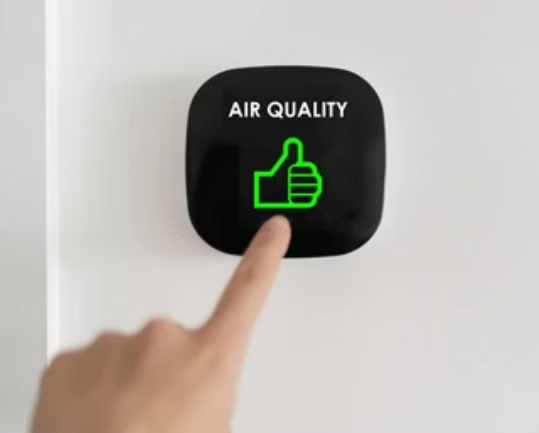
Monitoring your home’s indoor air quality is essential. Use sensors to track levels of pollutants and humidity. These devices provide real-time data on air quality indoors. They alert you when pollution levels rise or when humidity becomes too high.
Adjust ventilation based on sensor readings. If indoor air pollution increases, increase ventilation to bring in fresh outdoor air. On the other hand, if outdoor air quality is poor, keep windows closed and rely on mechanical ventilation.
Maintaining good indoor air quality is vital for health. Poor indoor conditions can lead to respiratory issues and allergies.
Final Remarks
Proper ventilation is crucial for maintaining your Minnesota home’s air quality. It affects your health, comfort, and even the integrity of your home. Recognizing the signs of poor airflow and taking action can save you from serious health risks and costly repairs. Implementing best practices and mechanical solutions enhances your living environment, ensuring clean air circulation.
Don’t wait until problems arise. Take charge of your home’s ventilation today. Regular maintenance and smart upgrades can make a world of difference. Invest in your well-being and comfort by ensuring proper airflow in your space. Your health and home deserve it.
Frequently Asked Questions
What are the signs of poor ventilation in Minnesota homes?
Signs include musty odors, condensation on windows, and excessive dust accumulation. If you notice these issues, your home may require better airflow.
How can I identify stagnant air issues?
Check for areas with little to no airflow, such as corners or rooms far from vents. A lack of fresh air circulation indicates stagnant air problems.
What are common symptoms of poor airflow?
Common symptoms include headaches, fatigue, and respiratory issues. Poor airflow can lead to discomfort and health problems for occupants.
What health risks are associated with poor ventilation?
Poor ventilation can increase exposure to allergens, mold, and pollutants. This may result in asthma, allergies, and other respiratory diseases.
Can inadequate ventilation cause structural damage?
Yes, it can lead to moisture buildup, promoting mold growth and wood rot. Over time, this can compromise your home’s structural integrity.
What are effective ways to enhance home ventilation?
Consider installing exhaust fans, opening windows regularly, and using air purifiers. These methods improve airflow and overall indoor air quality.
What mechanical solutions exist for improving ventilation?
Mechanical solutions include heat recovery ventilators (HRVs) and energy recovery ventilators (ERVs). These systems efficiently exchange stale indoor air with fresh outdoor air.