


Navigating the maze of HVAC filter types, including furnace filters, media filters, and electrostatic filters, can be like finding your way through a dense forest of airborne pollutants – each path looks promising, but only one leads to crystal-clear air quality in your home. You’ve got options from basic fiberglass and polyester filters to high-efficiency pleated models with cotton and carbon factors, each designed to trap different sizes and types of airborne particles. While some homeowners reach for the cheapest pack of furnace filters on the shelf, others invest in different air filter types for advanced filtration in their air conditioner, targeting allergy relief and cleaner breathing spaces by trapping air particles. In this post, we’ll cut through the clutter to highlight key differences among HVAC filter types, including air conditioning media filters, ensuring you’re equipped with knowledge to make an informed choice that balances cost with comfort for your home climates.
Key Takeaways
- Knowing the different types of HVAC filters, including size, is crucial for maintaining indoor air quality and system efficiency in home climates; familiarize yourself with fiberglass, pleated, HEPA, and UV filters from home depot.
- Fiberglass filters, available at home depot and suitable for various home climates, are cost-effective and disposable, ideal for those on a budget, but they offer lower air purification compared to other types.
- Pleated type filters provide better filtration due to their increased surface area and are a good middle-ground option for both efficiency and cost.
- HEPA filters, a type of air purification system, offer the highest level of air purification, capturing the smallest particles, and are ideal for homes with allergy sufferers or those requiring superior air quality.
- UV filters use ultraviolet light, a type of light, to kill bacteria and viruses, adding an extra layer of air sanitization, beneficial in homes with high concern for germs.
- Regular maintenance and timely replacement of HVAC filters are key to ensuring the longevity of your system and the health of your indoor environment; choose the right filter based on your specific needs and follow manufacturer guidelines for maintenance.
Understanding HVAC Filters
Filter Significance
HVAC filters play a critical role in maintaining indoor air quality. They act as media filters, the first line of defense against airborne particles, capturing contaminants before they circulate through your home. A clean filter ensures that your HVAC system runs efficiently, preventing dust and debris from causing wear and tear on its components.
Filters also protect your health by trapping allergens like pollen, pet dander, and mold spores. This is especially important for individuals with allergies or respiratory issues. By regularly replacing or cleaning HVAC filters, you can breathe easier knowing that the air in your space is cleaner.
Contaminant Capture
The primary function of an HVAC filter is to trap pollutants. These include common irritants such as dust, pollen, pet dander, and various microorganisms. High-quality filters can even capture microscopic particles that might otherwise slip through less effective barriers.
It’s not just about comfort; it’s also a matter of efficiency. Clogged filters force HVAC units to work harder, reducing airflow and straining the system. This leads to higher energy consumption and potential breakdowns.
Energy Efficiency
Choosing the right HVAC filter has a direct impact on your system’s energy efficiency. A clogged or inappropriate filter can cause your air conditioner or heater to overwork, resulting in increased energy bills. Conversely, a clean and suitable filter allows for smooth airflow, which means your HVAC unit doesn’t have to expend unnecessary energy.
Moreover, efficient filters contribute to the longevity of HVAC systems by minimizing the risk of overheating and other mechanical failures caused by restricted airflow.
System Longevity
The lifespan of an HVAC system is greatly influenced by how well it’s maintained—and that includes its filters. Regularly changing or cleaning filters prevents the buildup of harmful particles that can damage internal components over time.
A well-maintained filter not only extends the life of an HVAC unit but also ensures consistent performance throughout its service life. This reliability saves homeowners money on both repairs and replacements in the long run.
Types of HVAC Filters
Fiberglass Filters
Fiberglass filters are the most basic form of HVAC filters. They’re made from spun glass fibers and designed to trap large dust particles, typical of certain air filter types. Their primary advantage is cost; they’re inexpensive and readily available. However, their filtration capabilities are limited. They generally have a lower MERV rating, which means they capture fewer contaminants compared to other types.
Pleated Filters
Pleated filters offer a step up in air purification. Made from polyester fabrics or cotton folds, they have a higher surface area to trap more particles. These filters can remove mold spores, pet dander, and even bacteria from the air. Their effectiveness depends on the number of pleats per inch—the more pleats, the better the filtration. Although more costly than fiberglass options, pleated filters strike a balance between price and performance.
HEPA Filters
High-Efficiency Particulate Air (HEPA) filters represent the gold standard in air filtration. They are capable of removing at least 99.97% of airborne particles as small as 0.3 microns in diameter. HEPA filters are ideal for individuals with allergies or respiratory issues as they can filter out pollen, dust mites, and other allergens effectively. Due to their superior filtering ability, these filters come at a higher price point.
UV Filters
UV filters use ultraviolet light to kill bacteria and viruses in the air passing through your HVAC system. While not effective at trapping particles like traditional filters, they excel at neutralizing microorganisms that can affect indoor air quality and health. UV filters are usually used in conjunction with another filter type for comprehensive air treatment.
Choosing the right HVAC filter often comes down to personal needs and preferences. For those with heightened sensitivities or respiratory conditions, investing in HEPA or UV technology may be beneficial despite the higher costs involved.
Fiberglass Filters
Basic Construction
Fiberglass air filters are made from spun glass fibers. This material creates a dense web that traps large particles like dust, lint, and debris. They often feature a metal grating to support the fiberglass material, preventing it from collapsing while in use. These filters are usually thinner and less dense compared to options made from other materials.
Families with pets find these filters helpful because they can capture pet hair and larger dander particles. However, for smaller allergens like mold spores or pollen, they may not be as effective. It’s important for homeowners to consider their specific needs when selecting furnace filters.
Budget-Friendly Option
For those prioritizing cost savings, fiberglass filters are an attractive choice. They’re among the most economical options available for HVAC systems. Their affordability makes them suitable for individuals who prefer to replace their filters frequently without a significant financial burden.
Despite being cost-effective, users should note that these filters need to be changed more often than higher-priced alternatives. This is due to their lower dirt-holding capacity which can lead to quicker saturation and reduced airflow if not monitored regularly.
Efficiency Considerations
While fiberglass filters excel at trapping large particles, they fall short in capturing finer particulates. Their efficiency is lower compared to pleated or high-efficiency particulate air (HEPA) filters, making them less ideal for those with severe allergies or respiratory conditions.
The MERV rating, which stands for Minimum Efficiency Reporting Value, measures a filter’s ability to capture particles of different sizes. Fiberglass filters typically have a MERV rating between 1 and 4, indicating basic filtration capabilities.
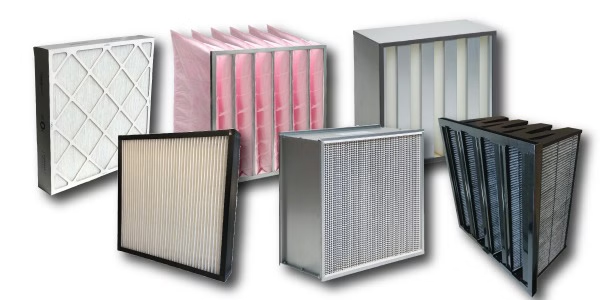
Health Implications
It’s crucial to understand the implications of using a lower efficiency filter like fiberglass on indoor air quality. These filters will not trap microscopic allergens such as mold spores effectively. Consequently, individuals sensitive to such irritants might experience discomfort or health issues over time.
For households concerned about air quality due to allergies or asthma, it may be wise to consider alternative filter types that offer superior particle-trapping abilities despite the higher upfront cost.
Pleated Filters
Enhanced Filtration
Pleated filters excel in trapping contaminants. Their design incorporates multiple folds, increasing surface area without compromising airflow. This structure effectively captures more small particles like dust, pollen, and pet dander. Homeowners benefit from improved air quality as pleats act like a sieve, isolating unwanted elements from circulating air.
These filters often incorporate an electrostatic charge. This feature magnetizes particles, enhancing filtration efficiency. It’s not just about size; even microscopic allergens struggle to pass through the dense network of fibers. As a result, indoor environments become safer for those with allergies or respiratory issues.
Cost-Efficiency Balance
Pleated filters strike an excellent balance between cost and performance. They tend to be moderately priced yet offer superior filtration compared to basic fiberglass options discussed previously. Their longevity is another aspect where homeowners find value; they require less frequent changes due to their large dirt-holding capacity.
Moreover, these filters maintain adequate airflow, which minimizes static pressure on HVAC systems. Lower static pressure means the system doesn’t work as hard, leading to potential energy savings over time. Thus, pleated filters are an economical choice that doesn’t skimp on air quality.
MERV Variability
The Minimum Efficiency Reporting Value (MERV) rates a filter’s ability to capture particles. Pleated filters come in a range of MERV ratings, allowing customization based on specific needs or concerns. Ratings span from MERV 6 for basic filtration up to MERV 13 for high-efficiency scenarios.
A higher MERV rating equates to finer filtration capabilities. For example, a MERV 13 can trap bacteria and virus carriers—something essential during flu season or in households with vulnerable individuals. Homeowners must weigh their health requirements against the increased resistance higher-rated filters may present to airflow.
HEPA Filters
Efficiency Standards
HEPA, or high-efficiency particulate air filters, set the bar for purity in indoor environments. They trap up to 99.97% of airborne particles, including dust, pollen, and mold spores as small as 0.3 microns. This precision makes them a gold standard in settings demanding utmost cleanliness like hospitals.
HEPA filters’ performance is measured by their ability to capture minute contaminants. Their dense mesh design ensures that air passing through is scrubbed clean. It’s this meticulous filtration that maintains superior indoor air quality.
Health Benefits
For those with severe allergies or respiratory issues, HEPA filters can be life-changing. They provide relief by removing allergens and irritants from the air. Consistent use results in a noticeable decrease in allergy symptoms and asthma attacks.
The presence of HEPA filters can dramatically improve living conditions for sensitive individuals. Breathing becomes easier and health risks associated with poor air quality are significantly reduced.
Airflow Considerations
While the benefits of HEPA filters are clear, they do come with a caveat: increased airflow resistance. This means your HVAC system may need to work harder to push air through the dense material of a HEPA filter.
In some cases, professional adjustments to your HVAC system might be necessary to accommodate the added strain from a HEPA filter. Without these changes, there’s a risk that your system could become less efficient or even suffer damage over time.
UV Filters
Microorganism Targeting
UV filters use ultraviolet light to neutralize harmful microorganisms. Unlike traditional filters, they focus on bacteria and viruses. These filters are not designed for trapping physical particles like dust or pollen. Instead, they disrupt the DNA of pathogens, effectively preventing them from reproducing and causing harm.
Homes and healthcare facilities often employ UV filtration to maintain a sterile environment. This technology is particularly beneficial in spaces where air quality is critical for health.
Air Quality Enhancement
UV filters significantly improve indoor air quality by reducing the presence of airborne pathogens. They are a key component in a comprehensive air purification system, especially when combined with other filter types that handle larger particulates.
Regular use of UV filtration can lead to cleaner, healthier air within indoor spaces. This makes them an excellent choice for households concerned about illnesses spread through the air.
Limitation Acknowledgment
It’s important to note that UV filters have limitations. They are not effective against non-biological contaminants such as smoke or chemical fumes. For these pollutants, high MERV ratings or HEPA filters from the previous section might be more suitable.
To tackle a broader range of airborne pollutants, combining UV filters with other filtration methods is recommended. This multi-faceted approach ensures a higher level of overall air purification.
Choosing the Right Filter
Health Considerations
Your family’s health is paramount when selecting an HVAC filter. Media filters can trap minute particles, reducing potential allergens. It’s essential to consider any respiratory issues or allergies among household members. Filters with high effectiveness in capturing dust, pollen, and pet dander make a significant difference for sensitive individuals.
Weighing personal health needs against available options ensures a wise choice. Filters rated with a higher MERV (Minimum Efficiency Reporting Value) capture finer particles, which can be critical for those with asthma or allergies.
Professional Advice
Consulting an HVAC professional is crucial. They assess your system to recommend compatible filter types. Experts understand the nuances of filtering technology and how different types affect airflow and efficiency. They ensure you get a filter that won’t overburden your HVAC system.
Professionals also offer advice on installation and maintenance schedules. This guidance helps maintain peak performance and prolongs the life of both the filter and your HVAC system.
Cost-Benefit Analysis
Consider initial costs versus long-term benefits when choosing an HVAC filter. High-quality filters might cost more upfront but can lead to reduced energy bills over time. Efficient filters keep HVAC systems clean, leading to less wear and tear and fewer repairs.
Long-term benefits also include improved air quality, potentially resulting in fewer health issues and medical expenses for family members. A cost-benefit analysis helps balance immediate expenses with future savings and health advantages.
Energy Efficiency
Selecting an energy-efficient filter contributes to lower utility bills. Some filters require less energy to push air through, making your system more efficient. Look for options that provide a balance between good air quality and energy consumption.
Remember that while UV filters addressed in the previous section kill bacteria and viruses, they don’t remove particles from the air. Combining them with high-efficiency media filters could enhance overall indoor air quality.
Maintenance Tips
Filter Replacement
Regular filter changes are crucial for maintaining indoor air quality and the efficiency of your HVAC system. A dirty filter can lead to health problems by circulating pollutants and allergens. It also forces the system to work harder, which can cause damage over time. Check filters at least every 30 days. Replace them or clean washable types when they show signs of dirt accumulation.
Replace pleated filters every 90 days. Homes with pets or high dust levels may need more frequent changes. High-efficiency particulate air (HEPA) filters have a longer lifespan but check manufacturer guidelines for specific timelines.
Installation Steps
Proper installation is key to a filter’s effectiveness. First, turn off the HVAC system to prevent unfiltered air from circulating during the change. Next, remove the old filter and dispose of it according to local regulations.
Check the new filter for an arrow indicating airflow direction; this points toward the blower motor. Slide the filter into place, ensuring a snug fit without gaps where air could bypass it. Finally, restart your system and enjoy cleaner air and improved efficiency.
Efficiency Concerns
A well-maintained HVAC system runs more efficiently, saving you money on energy bills and reducing wear on components. Ensure that your filter matches your home’s needs in terms of size, material, and ratings for optimal performance.
Remember that different climates may affect how often you need to replace your filter—humid or dry conditions impact how airborne particles interact with your filter material.
Summary
Navigating the maze of HVAC filters is no small feat, but you’ve got the know-how now. From the basic fiberglass to the high-efficiency HEPA, each filter type serves your quest for cleaner air in its unique way. Think of your HVAC as the lungs of your home—what you choose determines the quality of air you breathe. Keep those maintenance tips in your back pocket; they’re your secret weapon for a system that runs smoother and lasts longer.
Ready to take action? Roll up your sleeves and evaluate what’s best for your space. Whether it’s snagging a UV filter to zap those germs or opting for pleated filters for that dust-busting power, make the choice that fits like a glove. And remember, a well-chosen filter not only clears the air but also shields your wallet from those energy bill spikes. So, what are you waiting for? Dive in and breathe easy knowing you’ve made an informed decision.
Frequently Asked Questions
What are the main types of HVAC filters?
There are several types, including fiberglass, pleated, HEPA (High-Efficiency Particulate Air), and UV (Ultraviolet) filters. Each serves a unique purpose in air quality control.
How often should I replace my HVAC filter?
It’s best to check your filter monthly and replace it at least every 90 days. However, if you have pets or allergies, consider replacing it more frequently.
Can HEPA filters be used in any HVAC system?
Not all systems are designed for HEPA filters as they require more powerful fans due to their density. Check with your HVAC manufacturer before upgrading.
Do UV filters actually improve air quality?
Yes, UV filters can kill bacteria and viruses in the air, but they should be used in conjunction with other filters to trap particles.
How do I choose the right HVAC filter for my home?
Consider factors like allergies, pets, and the general air quality in your area. Pleated filters offer a balance between cost and efficiency for most households.
Are fiberglass filters a good choice for my HVAC system?
Fiberglass filters are budget-friendly and trap large particles but aren’t as effective against smaller pollutants compared to pleated or HEPA filters.
What maintenance tips can extend the life of my HVAC filter?
Regularly vacuuming vents and keeping your home clean reduces dust buildup on your filter. Also, ensure that there’s no blockage in front of return vents.