


R-454B Refrigerant Is Coming – What Homeowners Need to Know
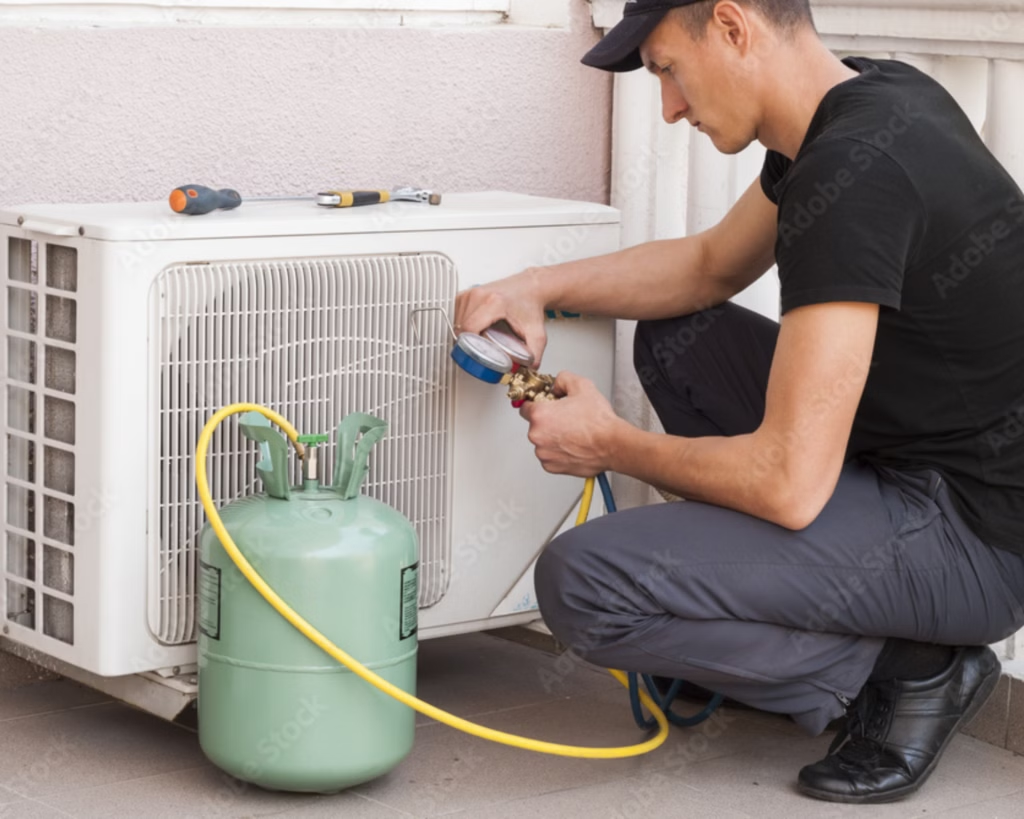
Key Takeaways R-454B refrigerant is a low-GWP blend used in newer residential ACs and heat pumps. It lowers climate impact versus legacy refrigerants and demands systems fashioned for increased pressures and particular oils. Homeowners will experience shifts in equipment price, maintenance requirements, and repair standards such as certified technician service and appropriate leak management. Energy […]
Winter Heating Tips Every Minnesota Homeowner Should Know

Key Takeaways Winter heating tips every Minnesota homeowner should know are practical steps to cut costs and keep homes safe. It includes furnace inspections, thermostat adjustments, air-sealing cracks, and safe use of space heaters. Additionally, it includes tips on how to balance humidity, schedule professional tune-ups, and identify common carbon monoxide hazards. These tips apply […]
Is your furnace struggling in a Minnesota cold snap? Here’s why and what to do
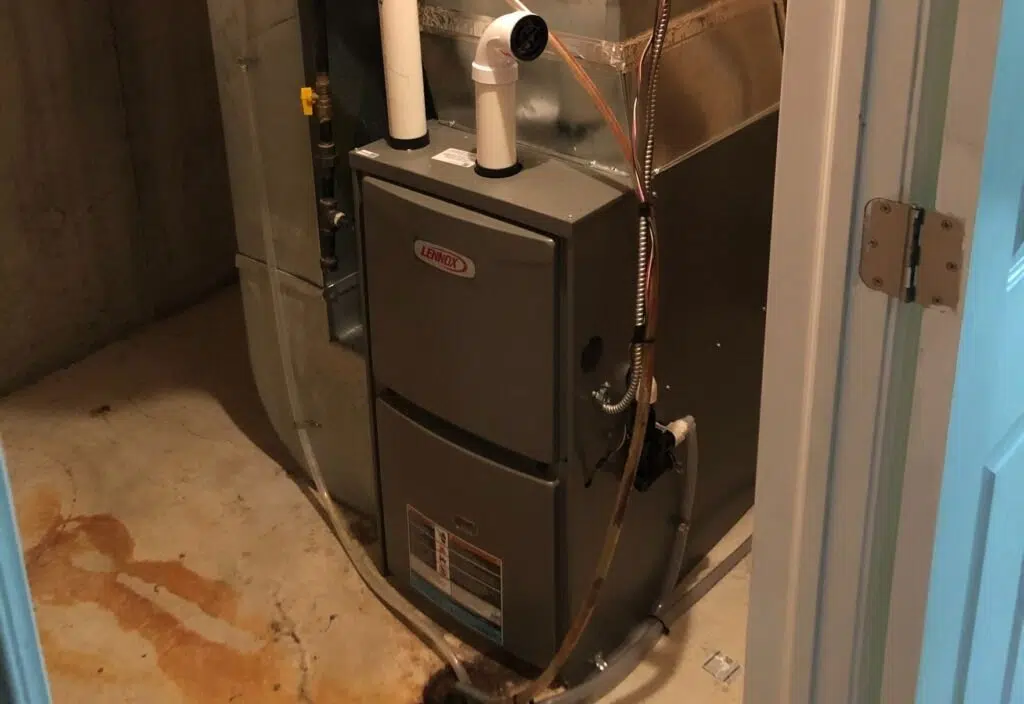
Key Takeaways Why your furnace might not keep up is undersized equipment, restricted airflow or fuel and ignition issues. Older systems lose capacity from wear and reduced efficiency. Controlled thermostat settings and extreme outdoor temperatures push the need above rated capacity. Bad insulation and duct leaks cause the furnace to work harder and run longer. […]
Prevent Frozen Pipes in Minnesota Winters

Key Takeaways How to prevent frozen pipes in Minnesota winters is a series of actionable strategies that homeowners implement to mitigate pipe bursts and water leakage. Cold air under -18°C (0°F) and persistent winds increase the danger in uninsulated spaces such as crawlspaces, attics, and exterior walls. Adding insulation, running a slow drip, sealing gaps, […]
Sump Pump Alarm Going Off? Here’s What to Do and How to Prevent It

Key Takeaways So your sump pump alarm is going off due to high water or a pump problem that needs quick inspections. Begin by verifying power and that the float switch swings free. Check the pump inlet for obstructions and the discharge pipe for freeze-ups or clogs. Identify strange sounds or quick cycling as indicators […]
How to Keep Water Pipes from Freezing in an Unheated Garage

Key Takeaways How to keep pipes from freezing in an unheated garage… minimize cold and maintain small, constant heat. Key tips are pipe insulation, heat tape or cable, sealing the gaps where the cold air sneaks in, and a slow drip during deep freezes. Placing a thermostatic heater or insulated enclosure around valves helps in […]
How Long Do Sump Pumps Last? Lifespan, 7 Replacement Signs, and Maintenance Tips
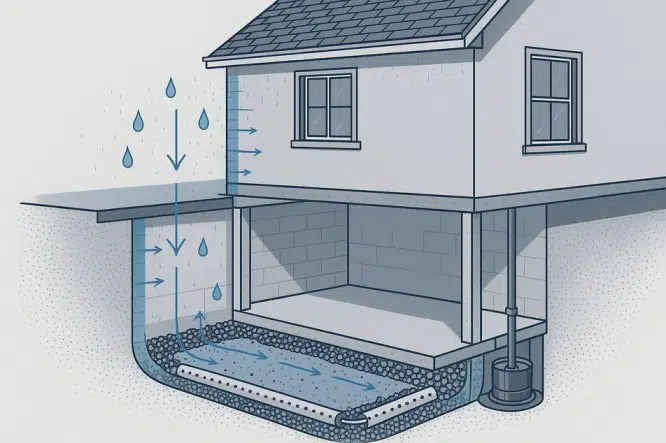
Key Takeaways How long does a sump pump last? Its lifespan depends on pump type, motor quality, and frequency of sump pump operation during wet seasons. Routine inspections, cleaning the pit, and replacing worn parts extend a pump’s life. Homeowners can anticipate less lifecycle in systems with many cycles or clogged intakes. The body details […]
7 Warning Signs Your Heat Pump Is Running Low on Refrigerant

Key Takeaways Signs your heat pump needs refrigerant include decreased heating or cooling output and extended run times. Other common signs are ice on the outdoor coil, hissing sounds, and higher energy bills. Low refrigerant causes uneven room temperatures and short cycling. A professional tech can confirm leaks and measure pressures to correct the issue. […]
How Combustion Analysis Builds Trust and Profits for HVAC Pros

Key Takeaways What is combustion analysis for a furnace? It measures oxygen, carbon monoxide, and flue gas temperature to identify efficiency and leaks. Technicians measure and adjust combustion to optimize exhaust emissions, efficiency, and safety. Periodic testing saves fuel, reduces emissions, and prolongs furnace life. The remainder of this post breaks down tools, key readings, […]
What Causes Sulfur Smell in Water (Rotten Eggs) and How to Fix It
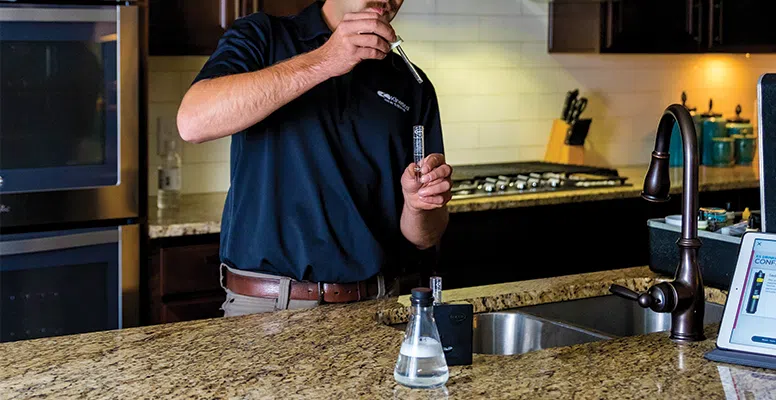
Key Takeaways Why does my water smell like sulfur is a common question about tap water that has a rotten-egg odor. It usually smells due to hydrogen sulfide gas or sulfur bacteria in wells, pipes, or water heaters. Low levels cause odor alone. Higher levels can corrode plumbing fixtures and stain laundry. Testing water for […]