


How to Prevent Ice Dams and Protect Your HVAC and Home

Key Takeaways This post is about how to prevent ice dams and protect your HVAC. It includes roof insulation, attic ventilation, gutter maintenance, and safe roof snow removal. The guide mentions HVAC inspections, pipe insulation, and thermostat adjustments that reduce freeze damage and improve energy efficiency. Readers receive specific, actionable steps and seasonal timing to […]
Furnace Ignitor Failure: Causes, Signs & Replacement Options

Key Takeaways What makes a furnace ignitor go bad. Typical culprits are age, surges, thermal cycling, and dirt. Bad installation or voltage issues can reduce longevity. Signs typically present as ignition delays, clicking, or no heat. The following sections cover inspection procedures, easy solutions, and when to contact a professional. Core Failure Causes Furnace ignitors […]
How to Replace a Thermocouple on a Gas Water Heater
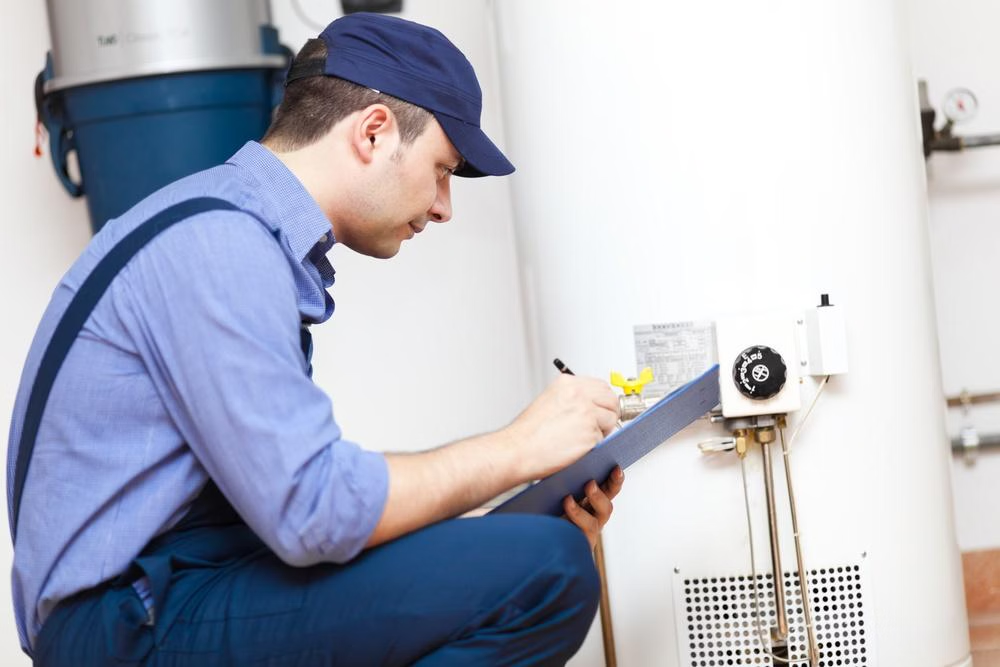
Key Takeaways How to replace a thermocouple on a water heater is a step-by-step process to pull and install the pilot flame sensor that shuts off gas when the flame goes out. Simple tools, some safety measures, and a thermocouple made for your heater are all you need. Common procedures involve shutting off gas, detaching […]
Trenchless vs Traditional Sewer Repair: Cost, Time & Environmental Comparison

Key Takeaways Trenchless sewer repair versus traditional excavation pits two different ways to repair underground pipes against each other. Trenchless sewer repair relies on a few small access holes and either pipe lining or pipe bursting to eliminate digging, while traditional excavation simply opens the ground to get at pipes. Trenchless typically reduces surface destruction, […]
What Is Pipe Bursting for Sewer Replacement and How Does It Work?

Key Takeaways Pipe bursting for sewer replacement is a trenchless technology that fractures an existing pipe as it simultaneously pulls in a new pipe of the same or larger diameter. It minimizes downtime by eliminating deep open trenches and typically completes quicker than full dig counterparts. Standard jobs employ hydraulic tooling and PVC or HDPE […]
What Is a Sewage Ejector Pump? A Homeowner’s Guide

Key Takeaways Sewage ejector pumps transport household waste from low-level drains into the main sewer line. It employs a sealed basin and a powered pump to elevate solids and liquids via a discharge pipe. Homes having basements or below-grade bathrooms typically require one. With routine maintenance and correct installation, they minimize blockages and stench. The […]
How to Use a Drain Camera for Inspection
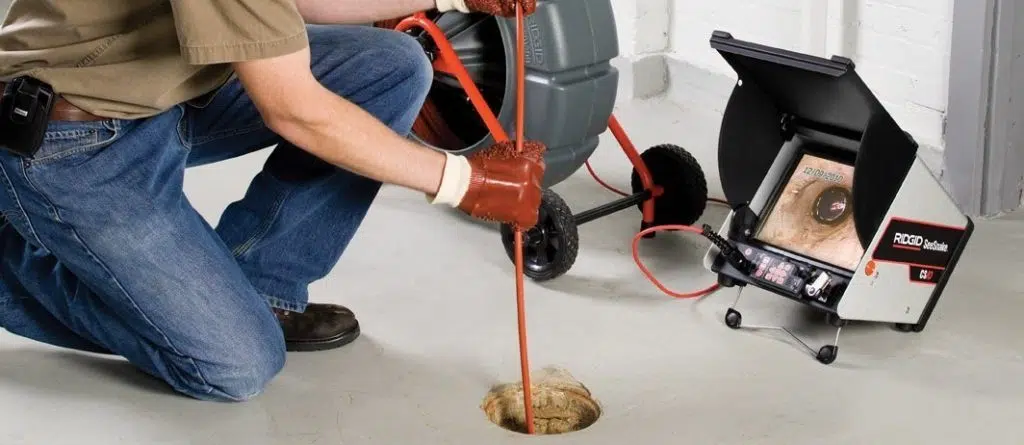
Key Takeaways How to use a drain camera for inspection describes how to locate blockages, leaks and pipe damage with a miniature video probe. It includes tips on lighting and depth markings. It covers safety, cleanup and calling in a pro. Hands-on examples allow readers to evaluate typical problems in household drains and determine next […]
How to Maintain Floor Drains in Your Basement: Prevent Clogs, Stop Odors, and Avoid Water Damage

Key Takeaways How to maintain floor drains in basement are simple regular things you do to keep drains clean, fresh smelling, and operational after heavy usage. Proper maintenance involves clearing debris, flushing with warm water, sanitizing traps, and inspecting seals and grates for wear. Seasonal inspections and preventive maintenance keep basement drains flowing and minimize […]
Why Does My Sink Drain Smell Bad? Causes, Health Risks & Fixes

Key Takeaways A sink drain smells bad when decomposing food, grease, hair, or soap scum rot and give off gases in the pipes. Bacterial growth in slow drains and dry P-traps generates foul smells. Leaks, clogged vents, and garbage disposal buildup contribute to the unpleasant odors. Figuring out the source, whether it is the trap, […]
What Is a P-Trap and Why Does It Matter in Plumbing?

Key Takeaways A p-trap is that bent pipe under your sink that holds water to block sewer gases and keep bugs out. It traps small objects to minimize clogs and aids plumbers in leak tests. Most homes use 32 mm to 50 mm pipe sizes in metric terms for drains and traps. Installation, slope, and […]