


Key Takeaways
- Odd sounds, weird smells and obvious damage are all warning signs that your furnace should be checked before winter. Tend to new or worsening symptoms before expensive failures.
- Inconsistent heat, poor airflow and constant cycling frequently indicate duct leaks, clogged filters or thermostat issues. Identify problem areas and track cycling to aid in fault diagnosis.
- Increasing energy bills and a decrease in indoor air quality can indicate your furnace is losing efficiency. Compare monthly costs and replace filters regularly to cull causes.
- Verify the pilot flame is a steady blue and keep an eye out for rust, cracks, or frayed wiring as these are safety hazards that need immediate professional attention.
- Conduct simple diagnostic checks now. Test a full heating cycle, inspect filters and vents, and verify thermostat settings to catch issues early.
- Schedule proactive maintenance every fall, keep records of service, and compare repair versus replacement for units older than 15 to 20 years to ensure comfort and efficiency throughout winter.
Top signs your furnace needs repair before winter are loud noises, uneven heat, rising energy bills, frequent cycling and visible rust or leaks.
These signs indicate worn parts, blocked ducts, or dying ignition systems that decrease comfort and increase expenses. Early attention usually leads to quicker repairs and smaller repair bills.
The main body below details each sign, probable causes, and easy checks to determine when to call a pro.
Warning Signs
There are warning signs. A furnace gives its signals well before an imminent collapse. Catching these indicators early prevents costly emergency repairs, excessive energy bills, and hazardous situations. Below, subheads dissect the more common warning signs, what they signify, and how to react.
1. Unusual Noises
Grinding, squeaking or loud banging typically indicate worn bearings, loose panels or a failing blower motor. These sounds have a tendency to worsen if ignored. A persistent rattle could indicate a loose heat exchanger or broken mounting brackets, which can be both expensive and dangerous.
Short, sharp pops can be caused by metal parts contracting and expanding. Persistent pops or explosive bangs can indicate delayed ignition or combustion problems that require a technician. Don’t wait to fix new or worsening noises; you could stave off a complete blower failure or secondary damage.
2. Strange Odors
A subtle musty odor can be attributed to moist ductwork or mold in filters and vents, which decreases indoor air quality and exacerbates allergies. Burning or electrical odors signal heating wiring or dying motors and need to be shut off and inspected immediately.
A rotten egg smell means there is a gas leak, so get out and call 911 or the gas company right away. Metallic or smoky scents can indicate combustion problems associated with carbon monoxide danger, so address them immediately.
3. Inconsistent Heat
Cold spots in one room while another is toasty warm usually can be traced back to duct leaks, blocked vents or a miscalibrated thermostat. If the furnace has a hard time distributing heat consistently, the system may require repair, maintenance or duct sealing.
Feeble airflow or cool air from floor or wall vents while the furnace is operating is indicative of clogged filters or blower issues. Track and list trouble areas and temperatures to help a technician diagnose whether repairs or replacement are warranted.
4. Rising Bills
Compare monthly energy costs with a table or simple chart to detect slow spikes. Such unexplained increases almost always indicate efficiency loss. A furnace running overtime due to dirty filters, leaky ducts, or worn parts will manifest itself in higher utility bills.
If your bills have crept up year after year, your system is likely losing efficiency or facing the end of its lifespan, particularly if the unit is upward of 15 to 20 years old. Regular tune-ups help delay this descent.
5. Pilot Light Color
A steady blue flame indicates good combustion. Yellow or flickering flames indicate dirty burners, poor ventilation or carbon monoxide danger. If the pilot light continues to go out, the thermocouple or gas supply could be the issue.
Address strange pilot light behavior fast for safety.
6. Poor Air Quality
More dust, allergy symptoms or haze typically indicate clogged filters or dirty ducts. Changing your filters on time and having annual maintenance makes the air better to breathe and is less stressful on the furnace.
Clear ducts as necessary to prevent mold and dust accumulation.
7. Constant Cycling
Brief on-off cycles generally indicate airflow restrictions, thermostat malfunctions, or a bad limit switch. Warning signs include monitoring cycles per hour, since frequent short cycles reduce efficiency and shorten furnace life.
Running on and on and not reaching your set temperatures means it is time to get the system checked out.
8. Visible Damage
Rust, cracks, water stains, frayed wires, and damaged ductwork are red flags that should be addressed immediately. A cracked heat exchanger is a life-threatening hazard that can allow carbon monoxide to seep into living spaces.
Take pictures of the damage to show the tech.
Safety Hazards
A defective furnace can present obvious dangers to life and limb. Carbon monoxide poisoning, fires, explosions, and secondary harms like frozen pipes or hypothermia can result from a neglected or failing system. Understanding how these hazards begin, where they appear, and what to do can stave off emergencies and defend the home.
Cracked heat exchangers and bad ventilation are typical carbon monoxide leak culprits. A crack allows combustion gases to combine with the furnace’s airflow and distribute through ductwork. Carbon monoxide is colorless and odorless, so it can accumulate undetected.
Place carbon monoxide alarms adjacent to the furnace and in each bedroom, and test them monthly. Select alarms that satisfy industry standards and change batteries and units according to the manufacturer’s recommendations. If an alarm goes off, exit the home immediately, call the fire department, and have the furnace checked before entering again.
Lingering or out of place odors are almost always indicative of more serious issues. If there’s a rotten-egg or sulfur smell, it is a sign of a gas leak. Get out of the building and call the gas company or emergency number.
A burning or electrical smell could indicate wiring faults, motor failure, or overheating components that increase fire risk. A musty smell, for example, could indicate secret mold lurking in your duct work or blower. Treat odors immediately. Don’t operate the furnace until a technician inspects the source.
Gas leaks, electrical faults and overheating form separate but intersecting hazards. A gas leak is dangerous because when a spark ignites the accumulated gas, it causes a fire or explosion.
Faulty wiring or a failing blower motor can overheat and ignite a fire. Overheating may be caused by blocked vents, dirty filters, or closed registers that accumulate warmth in portions of the system. Uneven heat — hot spots by vents and freezing rooms distant from them — can obscure overloads in the furnace and expose areas to frozen pipes and their attendant damage.
Furnaces at the tail end of their 15 to 20 year lifespan tend to give out without warning. Older units tend to have worn parts, corroded heat exchangers and less-safe components.
Routine service mitigates the danger by identifying cracked exchangers, loose wiring, and deteriorating seals before they become a problem. Weird noises, weird smells and irregular heating all require immediate professional attention for safety reasons.
Take immediate action if you suspect any safety hazard: shut off the system, ventilate the space if safe to do so, and call a qualified technician.
Diagnostic Checks
Diagnostic checks catch problems early so your furnace operates safely and at optimal efficiency. Begin with basic, inexpensive checks you can do at home. Then progress to more involved inspections or a call to the professional when necessary.
Do simple diagnostic checks such as thermostat settings and changing batteries ahead of winter. Verify the thermostat is set to heat, the setpoint is above room temperature, and program schedules are accurate. FOR DIAGNOSTIC CHECKS, replace AA or 3V button-cell batteries as needed because weak batteries cause erratic cycling.
If the thermostat is digital, reset it and look for error codes. For smart thermostats, verify the Wi-Fi connection and that the firmware is updated.
Diagnose check air filters, vents and ductwork for blockages and leaks affecting furnace performance. Inspect the filter once a month and replace it every 2 to 3 months based on use, pets and indoor air quality. A dirty filter restricts air flow, overworks the blower motor and increases energy consumption.
Walk through the home and touch vents for air flow and temperature. During diagnostic checks, search accessible ducts for loose joints and exposed gaps. Seal minor leaks with foil tape or mastic. Restricting vents or closed registers causes uneven heating and pressure that leads to leaks.
Put the furnace through an entire heating cycle to check for abnormalities or warning signs. Fire the system up and observe from boot to shutdown. Keep an eye out for delayed ignition, which is long pauses before the burner fires, multiple ignition attempts, weird odors such as must or burnt dust, or hot or cool air blowing at various vents.
Listen for rattles, grinding, or squeals. A trained technician can determine if a noise is the cause of a loose panel or a failing blower bearing. Observe the pilot or ignition flame. A steady blue flame is normal; yellow tips or flickering suggest combustion issues or debris.
Make a checklist of regular diagnostic checks to spot early warning signs and prevent expensive breakdowns.
- Thermostat check
- Battery replacement
- Filter change date
- Visual duct inspection
- Vent airflow test
- Burner flame color
- Energy use trending
Supplement with monthly checks for weird smells and quarterly checks for surging energy bills. Diagnostic checks: A sudden rise in kilowatt-hours or gas consumption usually indicates the furnace is going south. Record findings and include when a technician should be called. Examples include persistent inconsistent heating, visible soot, strong gas smell, or a fan that runs continuously.
Diagnostic checks can detect damaged heat exchange, worn fan belts, soiled burners or control board faults before they blow. Routine checks prolong operational life, preserve performance and prevent safety risks.
Proactive Maintenance
Proactive maintenance is the act of doing things now so your furnace doesn’t conk out when you least need it. It aids in identifying minor issues before they worsen, ensures optimal operation of your system, and reduces the chances of expensive emergency cold-weather repairs. A trained tech will identify worn parts, leaks, or unsafe conditions before they turn into letting a home go without heat.
Schedule annual furnace maintenance appointments in fall to ensure peak condition before cold weather sets in.
Schedule a professional check every fall. The technician will examine combustion, heat exchanger, burners, and safety controls, and will test airflow and thermostat calibration. They identify cracks, corrosion, or loose electrical connections that may cause failure or pose safety risks.
Consider a cracked heat exchanger encountered in autumn; it keeps you safe from carbon monoxide and spares you from having to rush through a winter emergency replacement. Annual servicing recalibrates controls so the system runs at designed efficiency, which trims fuel consumption and keeps bills lower during the highest usage months.
Clean or replace air filters monthly to maintain airflow and prevent overheating or inefficiency.
Check your filters monthly — particularly in homes with pets, allergies or dusty environments. Change disposable filters or wash reusable ones to maintain airflow and prevent your blower motor from overexerting itself. Restricted airflow makes your furnace cycle more often, increases energy consumption, and can lead to overheating that trips safety switches.
While many systems only require a filter change quarterly, monthly visits guarantee that you can account for seasonal dust or heavy use. Reference the filter size marked on the cabinet and select a filter with a good MERV rating for your application.
Enroll in a customer care plan or maintenance service to receive priority service and repair discounts.
A maintenance plan provides priority scheduling, reduced emergency rates and preventative service reminders. Plans usually feature seasonal tune-ups, parts discounts and additional labor coverage. On widespread cold snaps, members usually receive prioritized response times, which decreases the risk of an extended outage.
Consider plans that log serial numbers and previous service notes so techs can easily reference system history when they come.
Keep records of maintenance visits and small repairs to track the lifespan and reliability of your heating system.
Maintain service reports with dates, parts replaced, and any notes on repeated problems. This file assists a technician in identifying trends, validates warranty claims, and provides homeowners with information when deciding between repair or replacement.
Monitoring maintenance demonstrates how proactive care minimizes breakdowns and maintains efficiency, safeguarding families and budgets this winter.
Repair vs. Replace
When your furnace acts up, compare repair versus replacement, considering recent repairs, cost and age. Count repairs for the last two to three years and include parts and labor. If the repair bills are fifty percent or more of a new furnace cost within a short period of time, it often makes sense to replace.
Keeping tabs on not just how frequently a technician is called but what was repaired — repeated motor, heat exchanger, or control board breakdowns, for example — are symptoms of underlying wear. If your furnace is over 15 to 20 years old, then replacement is normally the wise decision.
Older models lose efficiency, parts become hard to find, and repairs may be seasonal band-aids and not long-term fixes. For instance, repairing a 17-year-old unit’s cracked heat exchanger might consume a big portion of a new system and still leave you with lower efficiency and less safety margin.
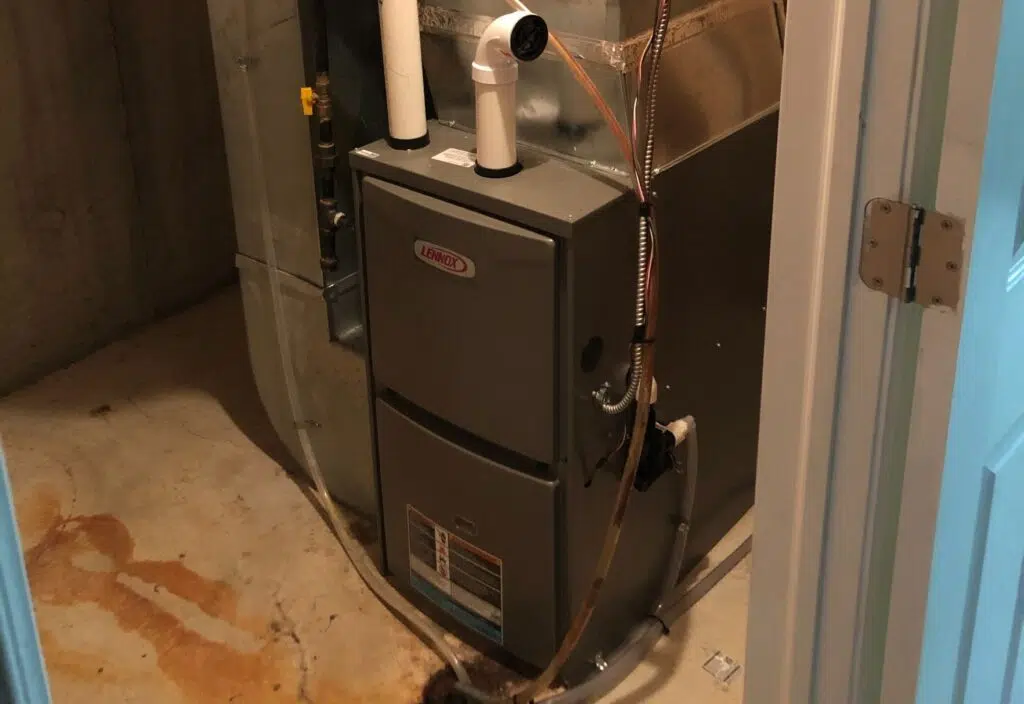
Newer, high-efficiency furnaces use less fuel or electricity per unit of heat, so the energy savings can compensate for some replacement cost over time. Fix may be the right option for minor flaws. A clogged filter, a bad thermostat, or a simple ignition issue typically costs a low price and brings reliable heat back.
If it’s a one-off and the furnace has been otherwise well maintained, a single repair keeps you comfortable without the high upfront cost of a new install. Warranties matter. If the unit is still under warranty, repairs may be covered, making repair the more economical route.
Replacement brings clear benefits, including lower energy bills, improved indoor air quality, and modern safety features like better venting controls and sealed combustion. New systems generally are fully warrantied and provide more consistent warmth with fine thermostat control.
For dust- or allergy-sensitive households, newer furnaces in combination with high-tech filtration or heat-recovery alternatives can make a noticeable air quality difference. Repair or replace pros and cons help clarify the decision.
Repair pros: lower short-term expense, quick return to service, warranty coverage sometimes available. Repair cons: escalating costs if failures recur, older units remain inefficient, potential safety risks if major components fail.
Replacement pros: long-term reliability, energy savings, better safety and air quality, and predictable maintenance. Replacement cons: higher upfront cost, time and disruption for installation, and need to size and match components properly to the home.
Where to start: Get a detailed estimate for both repair and replacement, including expected life after repair and projected energy savings from a new unit in metric terms (kWh or MJ) and consistent currency. Ponder repair history, age, warranty status, and household priorities such as budget or indoor air health and arrive at a definitive decision.
The Comfort Factor
A home’s warmth is more than a statistic on a thermostat — it’s the combination of consistent heat distribution, filtered air, and reliable operation. The Comfort Factor. A well-tuned boiler produces even, dependable heat, so you wake to steady rooms — not cold snaps. When heating is balanced, rooms remain within a small temperature range and the furnace operates in short, economical bursts rather than long, wasteful runs.
Cold spots and uneven warmth are dead giveaways. If the upstairs remains significantly cooler than the downstairs, or one room is warm while the adjacent room remains cold, inspect ductwork, vents, and thermostat location. Blocked vents, crushed crawlspace ducts, or leaky joints can reroute hot air and form cool pockets.
For example, a bedroom with closed vents and a duct leak in the attic can drop that room’s temperature by several degrees compared with the rest of the house. Fixing dampers, sealing duct seams with mastic, or rebalancing airflow can usually restore even heat.
Age counts when it comes to comfort. If your furnace is older than about 15 years, it may be nearing its end and hard-pressed to keep your home comfortable. Older units lose efficiency, parts wear, and control systems become less precise.
That can translate to longer runtimes and greater noise. A high-efficiency replacement rated 90% or higher can curb fuel consumption and maintain a steadier temperature, compensating for the initial expense with lower utility payments over time.
Smells and indoor air quality influence feelings of comfort and safety. A chemical or burning smell when the furnace kicks on can be a sign of failing wiring insulation, a dirty heat exchanger, or dust burning off, each with air quality or safety concerns.
A moldy smell that comes on during heat cycles can indicate mold in ducts or a clogged condensate line. Regular filter changes and professional inspections minimize these dangers and maintain clean air.
Or the comfort factor. Smart thermostats allow you to program multi-stage schedules, monitor runtime and identify irregularities. They can learn your patterns and offer remote control to minimize temperature swings and save energy.
Enhanced airflow combined with intelligent control maintains inhabited areas comfortable while reducing waste. It’s all about the comfort factor.
Yearly tune-ups catch minor problems before they demand the full system to work harder, keep efficiency up and lessen the risk of a cold weather breakdown. It’s about addressing problems early before they turn into big failures and to stay nice and warm through the season.
Conclusion
A chilly house begins with little hints. Strange noises, short cycles, weak warmth, and spiking bills indicate a tired, potentially faulty furnace. Rust, gas smell, and yellow pilot lights indicate actual danger. Run simple checks: clean filters, test thermostat, and scan vents. Maintain an annual tune-up and change filters every 3 months to reduce breakdown risk and increase life. Select repair when repair costs are less than half the value of the unit and the furnace remains efficient. Select replacement when heat plummets, repairs stack, or the unit approaches 15 years.
Obvious indicators require immediate attention. Call a licensed pro for safety issues and complex faults. Book a service today and keep your home warm and safe this winter.
Frequently Asked Questions
What are the most common early warning signs my furnace needs repair?
Search for irregular heating, repeated cycling, odd sounds, increasing energy expenses or a yellow pilot light. These are all signs of airflow problems, worn parts, or combustion inefficiency that require professional inspection.
Is a yellow pilot light always a safety hazard?
A yellow pilot light can indicate incomplete combustion and carbon monoxide danger. Shut off the furnace and have a qualified technician check the combustion system and ventilation right away.
Can I run simple diagnostic checks myself before calling a technician?
Top 5 signs your furnace needs repair before winter
- Check thermostat settings
- Replace or clean filter
- Make sure vents are open
- Inspect furnace for visible damage or leaks
If troubles continue, book a pro inspection.
How often should I schedule proactive furnace maintenance?
Professional tune-up once a year, preferably before winter. Seasonal tune-ups catch minor issues before they become major problems.
When should I repair versus replace my furnace?
Fix problems if they are minor and the unit is less than 10 to 15 years old. Replacement should be on your radar if repairs are frequent, your system is inefficient, or repair costs are nearing fifty percent of the cost of a new system.
Can a failing furnace affect indoor air quality?
Yes. A broken furnace can distribute dust, allergens, and combustion byproducts. Routine filter changes and professional service clean the air and reduce your risk of sickness.
How quickly should I act if I suspect a gas leak or carbon monoxide?
Evacuate your home right away, call 911 outside the home, and call your gas company. Until professionals say it is safe, don’t go back in.