


Key Takeaways
- Feel the sound pattern to help narrow the cause. Is the hum constant, occasional, or only at startup? Note when and where it is loudest. Use this to target checks in the blower, inducer, transformer, or ductwork.
- Maintain proper airflow. Check dirty air filters, vents, and debris as this can cause the motor to strain and hum loudly.
- Inspect mechanical components and secure any loose screws, panels, and brackets. Clear away dirt on the blower and inducer fans to prevent vibration noise.
- Keep an eye out for electrical telltales such as constant humming, flickering displays, scorch marks, or tripped breakers and turn off the furnace if you suspect electrical issues. Reach out to a certified repairman.
- With a basic homeowner checklist, isolate the noise location, document sound changes, and safely check vents, filters, and open components prior to calling service.
- Above all, schedule preventive care, an annual tune-up, timely cleaning and immediate repair of failing components like capacitors or transformers to avoid risk to safety and expensive catastrophic system failure.
One common reason is that you have an unbalanced blower, loose panels, or an old motor generating a low humming noise. These problems lower efficiency, increase utility bills, and indicate that cleaning, tightening, or part replacement is necessary.
Routine filter changes and maintenance appointments reduce the risk of noisy running and increase system longevity. The guide below includes common causes, easy checks, and when to contact a professional HVAC technician for safe repair.
Humming Sources
A humming furnace, often accompanied by a buzzing sound, can indicate various faults. The table below correlates common parts to these buzzing issues, aiding in effective furnace repair inspections.
| Component | Typical humming symptom | Why it hums | What to check |
|---|---|---|---|
| Blower motor | Low-frequency hum during run, increased with load | Worn bearings, dirt on wheel, weak motor | Airflow, motor current, wheel cleanliness |
| Inducer motor | Loud buzz at startup or continuous hum | Worn motor, stuck wheel, poor venting | Startup noise, vent pressure, exhaust path |
| Transformer | Steady electrical hum | Electromagnetic vibration, loose laminations | Thermostat display, voltage, mounting |
| Capacitor | Hums at attempted start, repeated start attempts | Failed charge/discharge, motor stall | Motor start behavior, cap bulge/leak |
| Loose hardware | Intermittent rattles or vibration hum | Panels or screws vibrating with airflow | Tighten panels, brackets, wiring ties |
| Filters/ductwork | Amplified hum when system works harder | Restricted flow, increased motor load | Filter condition, duct obstructions, sealing |
1. Blower Motor
A going bad blower motor typically emits a consistent buzzing or loud hum and can result in weak airflow or uneven heating. Look for weak air at vents and rooms that heat or cool unevenly; those are indications the blower is having a hard time.
Here’s the trick: listen for a difference in noise between when the motor starts and when it’s running. A grinding or increased pitch at startup usually means the bearings need replacing.
Check the blower wheel for dirt accumulation. A dirty wheel becomes unbalanced and causes the vibration that sounds like humming. Wash the wheel, measure motor amps versus nameplate amps, and replace the motor if it’s too high.
2. Inducer Motor
The inducer motor can emit a sharp buzz, particularly on startup. Noises that manifest exclusively when the inducer runs are typically indicative of wear or a stuck fan.
If the inducer is defective, it may not vent combustion gases properly, which is a safety threat. Search for startup anomalies, error codes on the control board, or diminished system performance.
If you hear a loud ‘hum’ and an exhaust smell or regular shutting down, turn the furnace off and call for service.
3. Transformer
Transformers can emit a low hum even when perfectly healthy. Excessive or new buzzing can be indicative of an internal fault or loose mounting.
Flickering thermostat displays, wild control behavior, or intermittent power to components are hints. A humming transformer can cause electrical fires.
Replacement is the safest solution. They make sure the mountings are secure and that the voltages are correct to minimize risk.
4. Capacitor
Hear a big hum when the furnace attempts to start but stalls? Bad capacitor, probably. Capacitors assist motors in their initiation, and when these go bad, the motor stresses and hums.
Search for sluggish motor starts, repeated start attempts, or obvious bulging or leakage on the capacitor. Quickly change bad caps before they destroy your motor!
5. Loose Hardware
Loose screws, panels, or wiring can buzz with blower speed. Tighten access panels, check mounting brackets, and secure loose wires that might buzz.
Loose hardware is low cost to address and forestalls bigger failures down the road.
Sound Clues
A humming furnace can be a ticking time bomb or just another minor nuisance, especially if you’re hearing a constant buzzing sound. Let the sound type, timing, and pattern guide your triage of probable causes before you act. Here’s a targeted tour connecting types of noise, like buzzing and banging, to parts and probable failures, then actionable diagnostic steps and real-world examples to help you figure out what the buzz means.
- Constant hum: a steady buzzing present whether the furnace is heating or not. It is often related to electrical issues, transformers, or a stuck relay.
- Intermittent hum comes and goes with cycles and is linked to the blower, inducer motor, or cycling relays.
- Startup hum occurs right when heat is called. A short and soft hum is typical, while a long or loud hum can indicate capacitor or ignition issues.
- Pinging or popping in ducts occurs due to thermal expansion when heat starts. It is brief and singular, not a flaw.
- Sudden bang at startup: delayed gas ignition requires immediate professional attention.
- New or changing sounds are likely developing issues and should be treated as cues for inspection.
Constant Hum
A consistent buzz usually indicates electrical elements. Transformers and control boards hum constantly when their windings or circuits are in strain. A transformer with a loose mounting will vibrate against its case and make steady noise.
If the blower motor runs nonstop, maybe because of a fan-on thermostat or faulty wiring, the motor or its bearings can generate a persistent hum. See if it continues when the furnace is not calling for heat, which means relays or controls are stuck.
Leaving this unchecked wastes energy and increases fire risk, so deal with it pronto. Routine service can detect worn bearings or loose mounts that induce a persistent hum. Change filters, go for an annual tune-up, and report persistent buzzing to a technician.
Intermittent Hum
Periodic hum comes and goes with part cycling, such as the blower, inducer, gas valve, or relays cycling on and off. Note exactly when the sound occurs: during fan-only cycles, during heat cycles, or only at high speed. Their timing aids in part isolation.
Loose screws, worn motor brushes or early bearing wear frequently make intermittent noise prior to going out completely. A blower that hums when it ramps up but is quiet at steady speed likely needs balancing or a new motor capacitor.
Record times and operating conditions when the hum occurs. Early detection through tracking reduces repair scope and cost.
Startup Hum
A startup hum is normal as motors spin up, but loud or extended startup hums warn of stress. Capacitors that do not provide the initial jolt for motors result in heavy humming as motors strain. A delayed gas ignition that bangs is serious and requires immediate service.
Hear in the seconds after the thermostat demands heat. If the sound is abnormal or increasing in volume over time, discontinue use of the system and arrange for an inspection. Yearly tune-ups and seasonal filter changes reduce the risk of breakdowns.
Homeowner Diagnostics
Begin by identifying where the humming is loudest, then investigate wherever you can reach without grabbing live wires or shifting blades. Noisy furnace noises can indicate loose wiring, failing motors or resonance in the ducts. Some are benign and some are safety hazards.
Employ careful observation, a simple checklist and basic tools such as a flashlight and notepad to get the facts before you pick up the phone.
Isolate Location
- Stand at the furnace and note the sound level. A louder sound at the cabinet suggests a blower or transformer.
- Travel down primary duct runs and note the rooms where humming is loudest to locate duct-borne noise.
- Listen close to the inducer motor at the exhaust. If it is louder there, the inducer may be the culprit.
- Pop open panels, one at a time, and listen. A rise when a panel is taken off usually indicates internal vibration.
- Mark when the noise begins and ends to associate sound with a cycle.
Make the numbered list as you move: 1. Furnace cabinet, 2. Return duct, 3. Supply trunk, 4. Individual register. Observe if the buzzing sound varies with doors closed or open, as that exposes the path and resonance.
Check Vents
Check supply and return registers for visible debris and loose screws. Small items in vents can sit against metal and hum. Wipe vent covers down with a damp cloth and clear obstructions. Clogged vents can increase back pressure and make the blower hum louder.
If you close any registers, you unbalance the airflow and the noise gets shifted to other ducts and changes pitch. Note how noise reacts when you half-close or open a vent. If a vent change changes the hum, your ductwork or balancing dampers need to be adjusted.
Wipe dust from grills regularly to reduce vibration and enhance indoor air quality. Observe if any vents are abnormally warm or cold when humming.
Inspect Filter
Take out the filter and hold it to light. If light does not shine through, your filter is clogged and probably causing blower stress and humming. Swap in the furnace maker’s recommended size and MERV rating to prevent additional strain on the motor.
Keep a short checklist: date inspected, condition (clean/dirty), filter type, next change due, and any noise notes. A clogged filter can buzz between cycles because the blower is straining and parts are overheating.
For furnaces older than roughly 15 years, be stingy. These vintage systems tend to cough and rumble their way through tune-ups quite regularly.
Installation Flaws
Installation flaws are a frequent cause of loud humming in furnaces. Tiny setup errors cause parts to hum and vibrate, induce air leaks, or let electrical noise reverberate down ductwork.
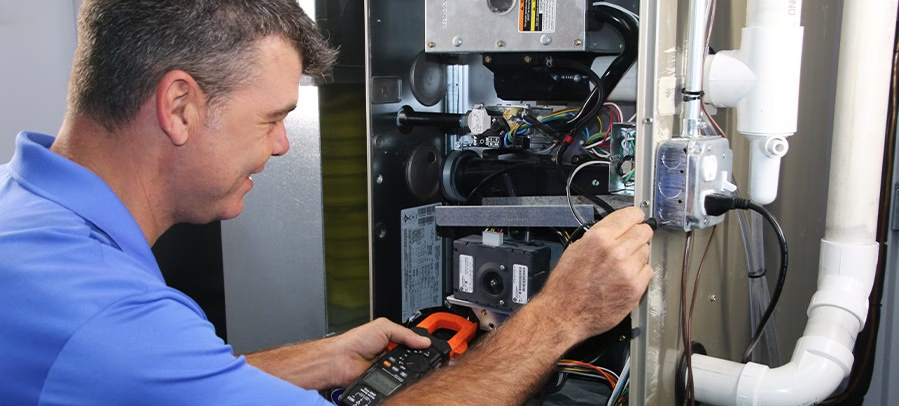
Below is a concise table of common installation flaws, how they cause a furnace to hum, and what to examine.
| Installation flaw | How it causes humming | What to inspect |
|---|---|---|
| Loose duct sections | Gaps let air vibrate metal, creating low-frequency hum | Seal joints with mastic or foil tape; check for gaps at takeoffs |
| Misaligned blower or motor mount | Off-center parts wobble and transfer vibration to cabinet | Inspect motor mount bolts, blower alignment, and shaft play |
| Loose access panels | Panels rattle against frame when fan runs | Tighten screws, replace missing clips, add foam gasket |
| Faulty or loose electrical wiring | Poor contacts produce electrical buzzing or hum | Look for loose terminals, corroded connectors, burnt insulation |
| Improperly sized or placed vibration isolators | Poor isolation lets motor noise reach ductwork | Verify isolator type and placement per manufacturer specs |
| Loose mounting brackets | Brackets transmit vibration into building structure | Tighten or replace brackets; add rubber washers |
| Incorrect duct support | Unsupported ducts sag and resonate | Add hangers; ensure straight runs and secure joints |
Look for gaps or misaligned parts that cause rattling and humming noises when in use. Enter the duct runs and, with the system running, feel for air leaks or spot misaligned seams.
Watch return and supply takeoffs where ducts connect to the plenum. These are notorious locations for loose screws or missing tape. Even small gaps will allow moving air to excite sheet metal and create a persistent hum.
Installation Mistakes – Make sure all electrical connections and mounting brackets are tight to reduce noise. For a pro tune-up, technicians tighten terminal screws, test for voltage drops, and check wiring for heat damage or loose crimps.
Defective wiring or bad terminals can cause that electrical buzz that hums. Inspect the blower motor bolts, mounting feet, and any rubber isolators for cracks or compression. Interrupt vibration transfer by replacing worn isolators.
Tackle installation flops up front to ward off future damage and save energy. Be careful: improper installation can cause internal component wear, like early motor bearing or belt misalignment, that aggravates noise and cuts system life.
Other flaws might not pop up for years, particularly in older systems where wear makes small defects noisier. These irregularities can be found before they become major with regular maintenance and annual tune-ups, which saves energy and repair costs.
Safety Concerns
Loud humming from a furnace isn’t just annoying; it can indicate safety risks that require immediate action. This buzzing sound might be caused by loose parts or a malfunctioning furnace fan motor, which can accompany smells, visible damage, or immediate power down. Know what to watch out for, minimize noise exposure, and respond quickly when the buzzing increases in volume or transforms in nature.
Electrical Risks
Buzzing or humming associated with electrical components is usually the cause of loose wiring, bad capacitors, or shorted circuits. Loose wiring is a fire hazard and must be inspected and repaired by a licensed technician ASAP.
Check for scorch marks, melted insulation, a burning smell or tripped breakers. These are obvious signs of electrical trouble and warrant immediate power shutoff. If you suspect electrical failure, shut off the furnace at the switch and at the breaker to avoid electrical fires.
Avoid DIY electrical repairs; do not strip wires, splice with improper connectors, or run the system while a fault is suspected. Even if the furnace is off, humming that persists when the system isn’t running can signal energized components or external electrical faults that need to be professionally inspected.
Yearly tuneups tend to catch loose terminals and fraying wiring before they spiral.
System Failure
A continuous, loud humming can anticipate both partial and general furnace failure. When a blower motor, transformer or gas valve strains, the augmented stress reduces component life and can induce failures.
Watch for weak airflow, short cycling, not heating up to temperature or error codes and warning lights on the thermostat or furnace control board, as these signs often precede a catastrophic failure. A startup bang may mean delayed gas ignition, which is an emergency to fix since it increases the risk of flame rollout or heat exchanger damage.
Track changes over time: if the buzzing is loud, sudden or getting worse, schedule an inspection without delay. Routine tune-ups and professional cleanings minimize the risk of failure by keeping components clean, lubricated and well-adjusted.
Fixing things in a timely manner avoids elevated repair bills and decreases the danger that a minor malfunction turns into a severe safety issue.
Proactive Care
Proactive care minimizes the risk a furnace will hum loudly, including potential issues like a constant buzzing sound, and helps identify minor problems before they escalate. Regular care keeps components operating as intended, reduces energy waste, and lowers the potential for electrical or combustion issues that cause buzzing or humming. The steps below walk you through what to do, why it is important, where to act on the HVAC unit, and how to organize professional assistance.
Perform regular maintenance, including cleaning, tightening hardware, and replacing filters, to prevent furnace humming.
Sweep dust and debris from open panels, blower housing and base. Dust can collect on motor bearings and electrical contacts, causing drag and electrical interference. Tighten any visible screws and mounting bolts on panels, the blower assembly, and duct connections. Loose hardware allows parts to vibrate and buzz with bass-like hums.
Swap out the air filter on a consistent basis, every one to three months, depending on filter and home factors. A clogged filter causes the blower motor to strain, which can alter motor load and humming. For safety, turn off the power at the breaker before cleaning or tightening. If you identify oil ports on older motors, pour in a couple of drops of motor oil per manufacturer recommendations.
Schedule annual furnace tune-ups to catch early signs of wear or malfunction before they become major issues.
Book a professional tune-up once a year, preferably just prior to the heating season. A certified technician will examine wire connections, evaluate capacitor and relay operation, check burner and ignition timing, and test airflow and combustion efficiency. These inspections catch minor problems like a dying capacitor, worn belts, or a misaligned blower wheel that hums.
Technicians can clean internal components more thoroughly than most homeowners can, minimizing build-up that makes noise and lowers efficiency. Track tune-ups to measure performance year over year and to assist in diagnosing slow changes in tone.
Keep the area around the furnace clean and free of debris to reduce vibration and noise.
Clean out any stored items, cardboard, and dust within approximately 1 metre of the unit so that the airflow is not blocked and vibrational transfer is minimal. Set the furnace on a firm, flat pad. Uneven or soft bases allow the unit to shift and increase hum.
Check surrounding duct work and insulation for loose metal or contact points that can vibrate when the system operates. Where ducts join the cabinet, supplement foam gaskets or sheet metal screws with rubber washers to reduce vibration transfer.
Monitor for changes in furnace sounds over time, addressing new noises promptly to extend system life.
Hear every week for changes in pitch, length or timing of humming. Jot down if noise occurs on startup, steady run or shutdown. New buzzing that intensifies or is accompanied by strange odors, flame dancing, or cycling indicates electrical or ignition issues and requires prompt expert service.
Being proactive keeps you from things like a delayed ignition, which can cause a sudden bang and jeopardize your safety and expensive repairs.
Conclusion
One indication that you might have a problem with your furnace is a loud humming noise coming from it. This low-frequency vibration can originate from motor bearings, fan blades, loose panels or a weak transformer. A high-pitch buzz usually indicates electrical components such as relays or capacitors. Easy checks do assist. Listen at the cabinet, feel for hot spots, tighten screws, and replace the air filter. If noise persists or you detect a burning smell, shut off power and call a professional. Frequent inspections and immediate repairs maintain warmth, trim repair expenses, and reduce hazard. For a definitive next step, book a service call or send a brief video or audio snippet of the hum to get techs diagnosing sooner.
Frequently Asked Questions
Why is my furnace humming loudly when it turns on?
A startup loud hum, for example, could indicate issues with your furnace blower motor or transformer. While a short buzz is normal, a constant buzzing sound suggests worn bearings, loose parts, or electrical issues that require examination by a professional HVAC technician.
Can a humming furnace be dangerous?
Yes. A continuous humming noise, possibly indicating a furnace buzzing due to electrical issues or a motor failure, may accompany burning odors, sparks, or tripped breakers. Switch off the heating system and contact a professional HVAC technician if you fear for your safety.
Will cleaning or replacing the air filter stop the humming?
Occasionally, a clogged filter can cause the blower to work harder, leading to a noticeable buzz in the furnace. Changing out a filthy filter is an easy starter task that can help cut down on the buzzing sound and enhance warm air flow.
Could poor installation cause humming sounds?
Yes, a buzzing sound and vibration can often be caused by loose panels, misaligned ductwork, or issues with the furnace functioning, which a professional HVAC technician can address.
When should I call an HVAC professional about humming?
Call a professional HVAC technician if the buzzing sound is persistent, gets louder, or is accompanied by other noises, causing reduced heating or electrical signs like tripped breakers or burning odors.
Is the transformer the likely source of a low-frequency hum?
Yes. Transformers tend to make a consistent low hum, but if you notice a loud buzzing or evolving sound, it’s a good idea to have a professional HVAC technician check for loose parts or mounting issues.
Can regular maintenance prevent humming problems?
Yes, regular tune-ups by a professional HVAC technician, including motor lubrication and filter changes, can significantly reduce furnace buzzing and prolong the lifespan of your heating system.