


Key Takeaways
- Water systems first – drain and shut off to prevent frozen pipes. Pour RV antifreeze into fixtures and insulate exposed pipes for additional protection.
- Provide heating system service and set thermostats to a low safe temperature while cleaning filters and inspecting vents to ensure dependable warmth.
- Unplug, drain, and prop open doors of appliances to prevent mold and damage. Turn off or vacation the water heater for energy savings.
- Winterize your cabin or vacation home by sealing doors, windows, and gaps inside and out. Support attic and basement insulation and remove gutters and roof problems to prevent heat loss and moisture intrusion.
- Protect utilities and safety systems: Test generators, label shutoff valves, install smoke and carbon monoxide detectors, and use smart sensors to monitor remotely.
- Customize your strategy for occupied versus unoccupied properties. Occupied homes need routine visits and stocked supplies. Unoccupied ones require complete shutdown, safeguards, and planned monitoring.
How to winterize a cabin or vacation home is a set of practical steps to protect property from cold weather damage.
It walks you through insulating pipes, sealing drafts, heating system maintenance, and prepping roofs and gutters for snow.
We’re talking about closing for the winter, shutting off water, draining systems, and vent-securing against pests.
The guide below breaks down the work into straightforward metric-based tasks with seasonal timing to minimize repair costs and maximize comfort.
The Winterization Blueprint
A well-articulated plan keeps work on target and minimizes overlooked steps. Here’s a rundown of key winterizing steps for plumbing, heating, appliances, seals, and security as you winterize a cabin or vacation home.
- Drain and secure water systems.
- Turn off the primary water valve and open all faucets and low points to relieve pressure and drain excess water from pipes. This will avoid frozen and burst pipes when the temps drop below freezing.
- Drain your outdoor hoses, garden lines, and in-ground irrigation. Blow out lines with an air compressor where feasible, or remove and store exposed spigots.
- Pour RV or marine antifreeze into toilets, sinks, tubs, and shower drains to protect P-traps and small amounts of residual water.
- Insulate exposed pipes in exterior walls, crawlspaces, and unheated garages with foam sleeves or wrap. Consider heat tape for susceptible runs.
- If the home will be vacant for weeks, turn off and drain the water heater. Otherwise, employ the vacation mode on electric units to save power while avoiding freeze damage.
- Service and program heat.
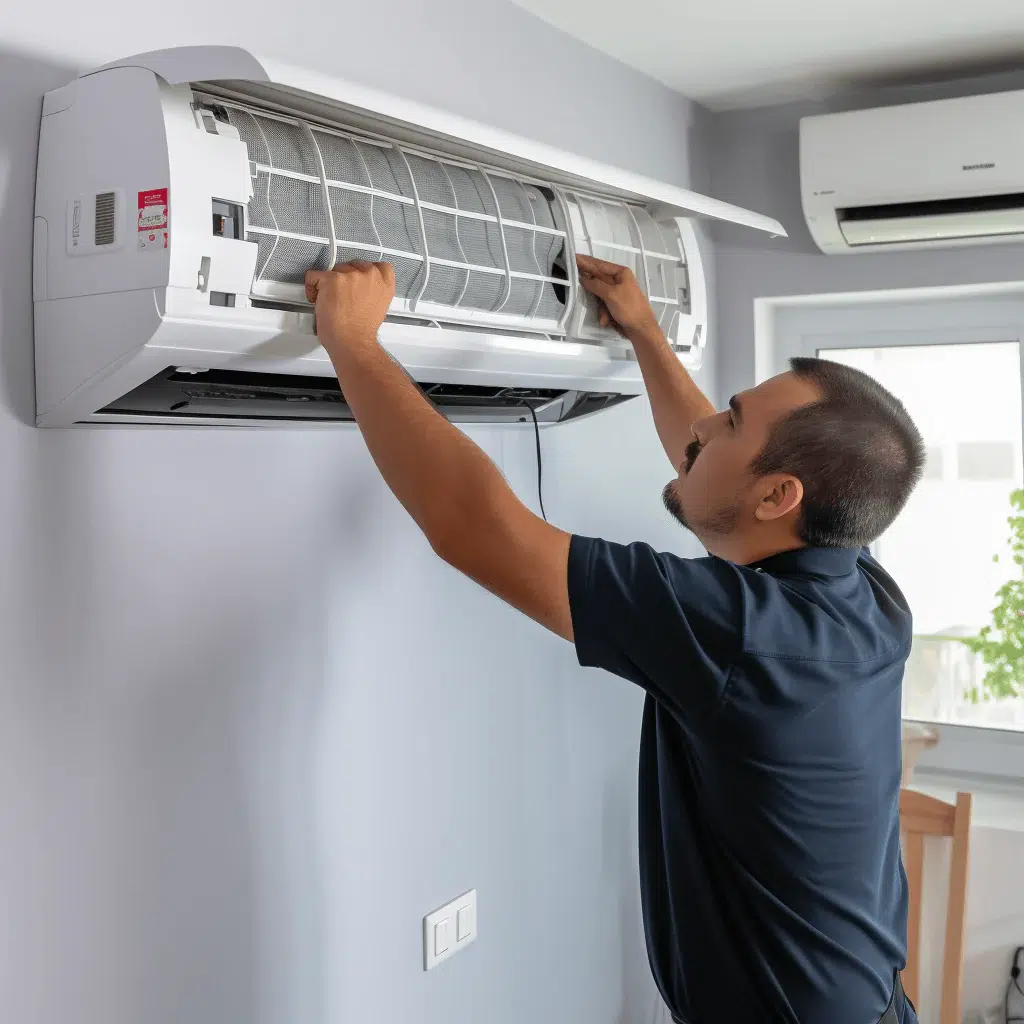
- Book an HVAC or boiler service to inspect burners, pilot lights, safety controls, and fuel lines. A dependable heat source is your top defense in preventing frozen pipes and structural damage.
- Clean or replace furnace filters and check ductwork for leaks. Seal cracks and insulate ducts in unheated areas.
- Maintain thermostats at a low, constant temperature for most regions between 7 and 10 degrees Celsius to minimize energy use and avoid freeze damage. Smart thermostats are adjustable from afar.
- Have chimneys, flues, and heat exchangers cleaned. Remove soot and creosote to decrease fire hazards and ensure proper venting.
- Winterize appliances and interiors.
- Unplug and clean refrigerators, dishwashers, and washing machines. Take out food, defrost, dry, and leave doors ajar to prevent odors and mold.
- Flush appliance water lines and hoses, and remove and store portable units. Forward mail and unplug nonessential electronics.
- Deep clean: wash windows, vacuum floors, and clear cabinets so pests are less likely to settle. Rodent proof by setting traps and sealing small entry holes.
- Winterize outdoor furniture and gear by storing them in a dry place.
- Seal inside and outside cracks.
Use weather stripping on doors and windows and foam board or caulk on gaps. Verify attic and basement insulation levels and supplement where R-values are low.
Fix exterior caulking, inspect roof flashing, gutters and chimneys for blockage or damage, and add storm windows or plastic film for insulation.
Make sure garage and outbuilding doors close tight to keep out cold air and wetness.
Wisp Throughout – Check for ice dams and clear gutters to prevent water issues.
Exterior Fortification
Exterior fortification is preparing the cabin’s exterior to withstand snow, ice, winds, and cold. It includes gutters, roof, siding, doors, windows, landscaping, and outdoor gear to avoid water or structural damage, minimize heat loss, and decrease the risk of break-ins while vacant.
The steps beneath them detail what to check, why it matters, where issues develop, and how to repair or restrict them.
Structure
Check your foundation, siding, and roof for cracks, gaps, or soft spots that can get worse in freeze-thaw cycles. Stroll the exterior and check for hairline cracks in masonry, split caulk around window frames, or missing shingles on the roof.
Seal loose or missing shingles and patch cracks in siding. Small fixes now prevent big leaks later.
Seal those drafty areas where your little one’s breath is escaping by insulating or spray foaming the rim joists, door frames and behind the trim. Put a vapor barrier in crawl spaces and insulate band joists.
Apply breathable products in ventilated attics so moisture can vent out and not destroy framing. Scan for rot, mold and pest entry. Inspect under eaves, in soffits and around window sills for soft wood or black staining.
Treat or replace rotted boards and seal openings greater than 1/4 inch to discourage rodents and insects. Keep attic and crawlspace vents covered but provide slight ventilation. Screened vent covers keep pests out and help reduce drafts and condensation.
Landscape
Winterize irrigation, drain zones, and blow out lines with an air compressor. Leave a licensed pro to manage advanced or underground systems.
Mulch around trees and shrubs to insulate roots from freeze-thaw swings and mitigate frost heaving. Cover with 5 to 10 centimeters of organic mulch, but keep it off trunks.
Bring potted plants inside or to a protected, frost-free location. For large planters, wrap them and lift to prevent their soil from freezing saturated.
Reinforce sheds, gates, and fences with additional bracing and long fasteners in areas where heavy snow and wind could put stress on joints. Trim trees and remove dead limbs that hang over your roof or driveway.
Falling branches cause roof punctures and blocked access.
Utilities
Shut off and drain exterior spigots and hose bibs, open taps and fit insulated covers to prevent burst lines. Load test backup generators and have fuel in clearly marked, locked containers.
Operate briefly to verify function. Mark and test shutoff valves for water, gas, and main power so anyone can move fast in an emergency.
Have professional inspections for treacherous elements. Roofs with high pitches, tall chimneys, or multi-story gutters generally require professional work in order to be safe.
Interior Safeguards
Interior safeguards mitigate exposure to damage, theft, and decay while the property is vacant. It’s about interior safeguards, securing valuables, moisture control, fire and carbon-monoxide protection, and providing clear instructions for your cabin checker.
Plumbing
Open kitchen and bathroom cabinet doors. This will let the warm air get to the pipes, which can reduce the risk of freezing. In unheated spaces, wrap exposed pipes with foam insulation or use heat tape. Heat tape with a thermostat built in is the best protection for meters and exterior-facing runs.
Flush toilets and pour RV-grade antifreeze into bowls, traps, and tanks when plumbing is not going to be maintained. This prevents ice and protects seals. Drain outside faucets and disconnect garden hoses, as any water trapped in either can expand and crack fittings.
If turning off the main water supply, drain lines with the lowest drain valve and hire a professional to blow out sprinkler or irrigation lines.
Appliances
Clean the kitchen thoroughly before you leave so that your house doesn’t smell and develop mold. Empty out the fridge and freezer, wipe the insides and prop their doors open with a towel or a block to allow air circulation.
Run a cleaning cycle on the dishwasher and washer, then drain hoses and pumps. Leave doors open or use desiccants inside to avoid mildew. Disconnect water-supply hoses from appliances and store the hoses indoors to avoid freeze damage.
Shut off breakers for big appliances at the panel and unplug small ones as an extra measure. This reduces fire hazard and is an easy energy-saving action. For extended absences, take off filters and dry out moisture-trapping components.
Pest Control
Seal entryways, inspect vents, foundation gaps, eaves and utility lines, and close dampers to keep out drafts and pests. Clear food and trash. Even crumbs in drawers or pet food can entice rodents and bugs.
Lay traps or humane deterrents in kitchens, basements and attics, wherever you see activity. Rotate bait types for stubborn infestations. Keep linens, bedding and cushions in sealed plastic containers or heavy-duty bags to avoid nesting and insect damage.
Clean gutters and attic vents before leaving. Debris can cause both moisture and pest problems. Have an emergency contact list posted, local manager, neighbor, plumber and pest service, so anyone looking on the property can respond fast.
Advanced Strategies
Advanced winterization mixes scheduled inspections, focused improvements and strategic automation to minimize hazard and operating expense while the facility is vacant. Regular inspections and timely maintenance are the foundation: arrange for a neighbor, a cleaning service, or a professional to check the cabin at set intervals.
Plan roof checkups, gutter cleaning and HVAC tuneups before the cold sets in. These jobs catch minor defects such as loose shingles, clogged downspouts and deteriorating seals that otherwise cause leaks or hardware meltdowns beneath snow and ice.
Smart Technology
Install smart thermostats that allow you to monitor and adjust temperatures from anywhere, and opt for models with multiple power settings to conserve energy while maintaining your home around 13 to 16 degrees Celsius (55 to 60 degrees Fahrenheit) to prevent frozen pipes.
Install water leak detectors near appliances, under sinks, and beside your water heater, and combine them with automatic shutoff valves to isolate leaks quickly. Employ security cameras and smart locks to monitor access and activity in real time.
Program your lights with timers or use smart bulbs to create the illusion of occupancy on random schedules, which deters break-ins without wasting power.
Climate Adaptation
#96. Customize actions to local climate intensity. In very cold areas, include cavity insulation and potentially upgrade to low U-value energy-efficient windows and doors. For backup heat, install a wood stove with flue work or a certified space heater with safety shutoffs.
Stay on top of predictions during freezes and deep snow. Clean gutters and downspouts to avoid ice dams as they can leak into your roof or cause structural damage. If freeze-thaw cycles are common, budget for rapid-response checks post-storm.
Material Nuances
| Material | Best use | Notes |
|---|---|---|
| Fiberglass batts | Walls and ceilings | Cost-effective, needs proper fit |
| Closed-cell spray foam | Tight spaces, rafter bays | High R-value, adds air seal |
| Mineral wool | Fire-prone areas | Moisture resistant, dense |
| Reflective foil | Attics in mild climates | Works with ventilation |
Select weather-resistant caulks and sealants for exterior joints that can resist freeze-thaw cycles. When shielding plumbing, favor pipe insulation meant for Arctic-grade cold and include insulation between pipes and exterior walls.
Wall cavity insulation tends to be better than pipe wrap alone. Have drain valves at crawlspaces or basements and hook your main system to a low-point valve to be able to drain all of your lines from one location.
For water heaters, shut off the inlet valve and drain the tank, leaving one hot faucet open to let air in. Most of these upgrades need an expert to install them safely and to meet the building code.
Occupied vs. Vacant
Winterizing a cabin is very different when people will be staying there. Occupied cabins require constant attention and infrastructure left energized. Unoccupied cabins need to be completely winterized and additional security measures taken.
The risks shift: vacant properties face a higher chance of freeze damage, roof snow load, and theft, while occupied homes benefit from daily checks and quicker incident response. Different insurance rates can be a factor by occupancy as well, so verify coverage prior to making a decision.
For Vacancy
Checklist to winterize a vacant property:
- Drain water from pipes, appliances, and the water heater.
- Turn off the water at the source and open faucets to drain lines.
- Put non-toxic antifreeze in drains and traps where indicated.
- Clear and clean gutters and roof. Clear loose branches and snow hazards.
- Seal air leaks around windows and doors. Strengthen locks and put in tamperproof devices.
- Turn off and winterize outside fuel lines and irrigation.
- Unplug small appliances, and leave the fridge on if it will be visited regularly.
- Keep thermostat at a constant temperature above freezing, with 7 to 10 degrees Celsius recommended, and have remote monitoring installed.
Drain all water from plumbing, appliances and water heater to avoid freezing. Water remaining in pipes, toilets or ice maker lines can expand and burst fittings. Flush the water heater and drain it or, as manufacturers suggest, leave it on at low heat.
For heat pumps or boilers, properly isolate water and descale that could freeze. Secure all doors, windows and outbuildings, to safeguard against theft and weather. A vacant house begets vandalism and theft more than an occupied one.
Good locks, motion lights and boarded or sealed openings decrease this risk. Ice dams and snow weight on roofs can lead to leaks or collapsing. Clear snow with care and install heat tape where necessary.
Schedule regular property inspections or remote monitoring to detect problems early. Routine in-person visits identify little issues before they become big, and remote sensors can monitor temperature, humidity, and power outages.
Let your insurer know and keep records. Some policies demand that checks to maintain full coverage.
For Occupancy
Maintain thermostat above freezing and check cabin temperature periodically. A consistent temperature of about 15 to 18 degrees Celsius keeps pipes from freezing and minimizes stress on heating systems. Remote thermostats and local thermometers assist in catching drops early.
Keep an emergency supply of things like food, water, and heating fuel. For long-term storms or outages, have a minimum of a 72-hour supply and backup heat such as a safe propane heater or wood supply.
Force yourself to do regular checkups on plumbing, heating, and appliances — catch problems early. Occupancy leads to quicker responses to burst pipes and power loss, which restricts the extent of damage.
Check vents, filters, and flues regularly. Let area rugs, curtains, and furniture placement help insulate living spaces and hold warmth. Easy modifications lower heat requirements and increase comfort while preserving the building.
Common Pitfalls
Winter presents dangers that stack up fast when you miss simple measures. Here are the most common mistakes owners make when winterizing a cabin or vacation home and easy steps to steer clear of them.
Not draining water lines, appliances and traps, resulting in frozen burst pipes. Turn off the water at its source and open taps to let lines drain, drain and flush hot water heaters and disconnect garden hoses. Have your irrigation lines and sprinklers blown out by compressed air or a licensed plumber.
At common pitfalls, empty and clean washing machines, dishwashers and water softeners, leave cabinet doors under sinks open and use heat tape or insulation on exposed pipes in unheated areas. Control interior temperature by installing a remote thermostat or temperature sensors to send freeze alerts at 4 to 7 degrees Celsius.
Forgetting about the outside — gutters, downspouts, roofs, etc. — can really cause havoc with leaks and ice dams. Clear gutters and downspouts of leaves and debris, extend downspouts away from the foundation, and if you have trees nearby, install gutter guards!
Check the roof for loose or missing shingles and caulk small openings around vents and chimneys. Most importantly, attic insulation must be continuous and attic ventilation sufficient to keep the roof deck temperatures uniform. Poor insulation or ventilation results in heat loss, ice dam formation, and moisture problems.
Secure outdoor furniture and decorations. Bring smaller light items indoors and anchor down larger pieces to prevent damage from snow and ice.
Ignoring electrical and heating systems puts you at risk of fire and failure. Unplug redundant electronics and small appliances to decrease fire risk and reduce phantom energy draw. Service boilers, furnaces, and wood stoves before cold weather.
Clean filters, test the pilot and safety controls, and have a professional inspect combustion and flue systems. Heating neglect causes storm breakdowns. Have backup heat plans and safe, indoor-rated portable heaters.
Neglecting pest proofing welcomes varmints in for a cozy winter lodge. Plug openings around doors, windows, and utilities. Apply metal mesh or foam sealant where appropriate.
Keep food stored in sealed containers and remove access to outside food sources. Get traps or a pest control contact on file with your property manager.
Failing to plan for emergencies or scheduled inspections results in delayed reactions and larger remediation. Make a burst pipe, power outage, and major leak emergency plan.
Give concise directions and local contact details to a trusted individual or property manager who will visit the location frequently.
Conclusion
How to winterize a cabin or vacation home Seal doors and windows, drain or protect your pipes, insulate in key spots, and inspect your roof and gutters. Think basic — pipe sleeves, foam tape, and of course a programmable thermostat. For occupied homes, maintain heat and check remotely. For your empty homes, turn off water, leave antifreeze where necessary, and have a local contact drop by and inspect the premises. Avoid common mistakes: skip quick fixes, ignore vents, or rely only on heat. One more step of preparation saves you repair bills and headaches.
Attempt one change this week. Select a chore from the plan, complete it, and record the outcome. Tell us what worked or request a checklist to suit your cabin.
Frequently Asked Questions
How long before winter should I start winterizing my cabin?
Begin 4 to 6 weeks prior to the first anticipated freeze. This provides room for plumbing work, roof inspections, and even contractor scheduling. Acting early minimizes emergency repairs and generally decreases service expenses.
Do I need to drain the water lines if I keep the cabin heated?
Yes. If the cabin is off or heated below 7 °C, drain or winterize the plumbing or use non-toxic antifreeze in fixtures. This helps avoid freeze damage and expensive pipe bursts.
What’s the best way to protect the roof and gutters?
Gutter cleaning and debris removal. Check for loose shingles and patch flashing. Install gutter guards and extend downspouts to lead water at least 1 to 2 meters away from the foundation. This stops ice dams and water damage.
Should I shut off the main water supply when the cabin is vacant?
Yes. Winterize by turning the main water off and draining the system. Shut off interior appliance valves. This considerably lowers the danger of disastrous leaks in cold spells.
How can I prevent frozen outdoor pipes and hoses?
Wrap exposed pipes with foam sleeves and heat tape as necessary. Unhook garden hoses and drain outside faucets. Leave valves open or install frost-free spigots to prevent freeze damage.
Is it better to leave the cabin occupied or vacant during winter?
If possible, live there or visit frequently. Vacant homes are checked, heated, and maintained to reduce freeze and security risks. If unoccupied, utilize remote monitoring and local caretakers to perform inspections.
What are common mistakes to avoid when winterizing?
Don’t ever skip insulation checks, ignore roof issues, or depend on low heat alone. Don’t leave water lines under pressure when unoccupied. These errors increase the risk of expensive damage and insurance issues.