


Crystalline streams and untainted wells are relics of the past; today, our water, laden with harsh chemicals, is a cocktail of elements and compounds that demand scrutiny through testing and contaminant reduction technology. Enter water filtration systems, unsung heroes in homes and businesses alike, sieving out the unwelcome particles from our vital H2O through reverse osmosis, right at the faucet or beneath sinks before reaching the drain. With health on the line, these technology systems aren’t just gadgets but gatekeepers of purity that sterilize viruses through testing. They stand between us and the contaminants, such as harsh chemicals that have stealthily slipped into our water supply over decades of industrial progress, with reverse osmosis and replacement tanks under the sink acting as barriers. It’s not just about quenching thirst – it’s about safeguarding well-being with every sip we take.
In a world where clarity is king, understanding your options for clean hydration is non-negotiable. Water filtration systems, including ro and under-sink models with replacement tanks, are pivotal, yet choosing the right one can be as murky as unfiltered pond water, potentially containing cysts. Let’s demystify this liquid lifeline together.
Key Takeaways
- Understanding Water Filtration is Crucial: Knowing how water filtration systems, including reverse osmosis (RO) under the sink models that can remove contaminants like cysts, work is the first step to ensuring you have access to clean, safe drinking water, often backed by a warranty. Familiarize yourself with the different types of filters, such as sink and reverse osmosis (RO) systems, what contaminants they remove, including cysts, and their warranty specifics.
- Invest in Whole House Systems for Overall Benefits: A whole house water filtration system, with a warranty, offers comprehensive benefits, such as removing impurities and cysts from all water sources in your home, including the sink, which can improve health and protect appliances.
- prevention of Scale and Metal Buildup: Regular use of water filters can prevent the accumulation of scale and metals in your pipes and appliances, leading to a longer lifespan for your plumbing systems and fewer repairs.
- Efficiency Matters: Enhancing the efficiency of your water filtration system not only provides better quality water but also saves money in the long run by reducing waste and the need for frequent filter replacements.
- Informed Choices Lead to Better Results: Address common questions and concerns before choosing a system to ensure it meets your specific needs. Consider factors like water quality, household size, and specific contaminants you need to target.
- Maintenance is Key: Proper installation and regular maintenance are essential for your water filtration system to function effectively. Follow manufacturer guidelines to maintain optimal performance and water quality.
Understanding Water Filtration
Contaminant Removal
Safe drinking water is a fundamental need. Water filtration systems are crucial because they remove harmful contaminants like chlorine, lead, and bacteria. Chlorine is used in city water to kill germs but can affect water’s taste and smell. Lead, often found in older pipes, poses serious health risks. Bacteria from various sources can cause illness.
Filtration systems use multiple stages to purify water. They target specific contaminants through processes like carbon absorption or ion exchange. This ensures that the drinking water you consume is not only safe but also pleasant to taste.
Source Adaptability
Water filtration solutions cater to different sources: city and well water. City water users face chemical additives and byproducts of disinfection. Well owners deal with sediments and possible microbial contamination. Systems for city water typically focus on removing chlorine and its byproducts, while well water systems might include sediment filters and UV treatment for pathogens.
Each source requires tailored filtration techniques to ensure safety and quality. A proper system will adapt to these needs, providing peace of mind regardless of the source.
Filtration vs Treatment
Understanding the difference between basic filtration and comprehensive treatment is key. Basic filters, like those in pitchers or fridge units, primarily tackle taste and odor issues – often insufficient for thorough purification.
Comprehensive water treatment solutions go further; they might include reverse osmosis, which removes a wide spectrum of impurities including dissolved solids not caught by standard filters. Some systems integrate advanced features such as remineralization stages, enhancing the quality of the filtered tap water.
Benefits of Whole House Systems
Consistent Quality
Whole house filtration systems ensure every tap delivers high-quality water. They eliminate the need to filter water at individual points of use. This means that whether you’re showering, cooking, or drinking from a faucet, the water is consistently clean and pure.
These systems remove common contaminants like chlorine, sediment, and heavy metals. As a result, families enjoy better tasting and smelling water throughout their home. With this setup, the worries about variable water quality in different parts of the house are gone.
Health Advantages
The health benefits of filtered water are undeniable. Clean water is crucial for our well-being. With whole house filters, you can bathe in water free from harmful chemicals that might irritate your skin or damage your hair.
Filtered water also contributes to overall health by reducing exposure to potentially toxic substances. It supports a healthy lifestyle by providing safe, clean water for cooking and hydration. These systems make it easier for families to avoid the risks associated with contaminated water sources.
Economic Savings
Investing in a whole house filtration system leads to significant cost savings over time. One major benefit is appliance protection. Hard and contaminated water can wreak havoc on washing machines, dishwashers, and hot water heaters. By filtering out minerals and chemicals that cause buildup and corrosion, these systems extend the lifespan of household appliances.
There’s a reduction in bottled water purchases. Families can save hundreds of dollars each year by eliminating the need for single-use plastic bottles. The environmental impact is just as important; fewer plastic bottles mean less waste and pollution.
How Filters Work
Pre-Filtration
The water filtration journey begins with pre-filtration. This stage is crucial for removing large particles such as sediment, silt, and sand. It acts as a shield, protecting the main filters from clogging. Think of it as a bouncer, keeping out the unwanted elements that could cause damage down the line.
Filters capture these particles through a physical barrier, usually a screen or cartridge. Over time, these materials accumulate and can reduce water flow. That’s when filter replacement becomes necessary to maintain efficiency.
Main Filtration
Following pre-filtration is the primary phase where finer impurities are tackled. Here, activated carbon filters come into play. They work like magnets, attracting and trapping contaminants like chlorine, pesticides, and industrial solvents.
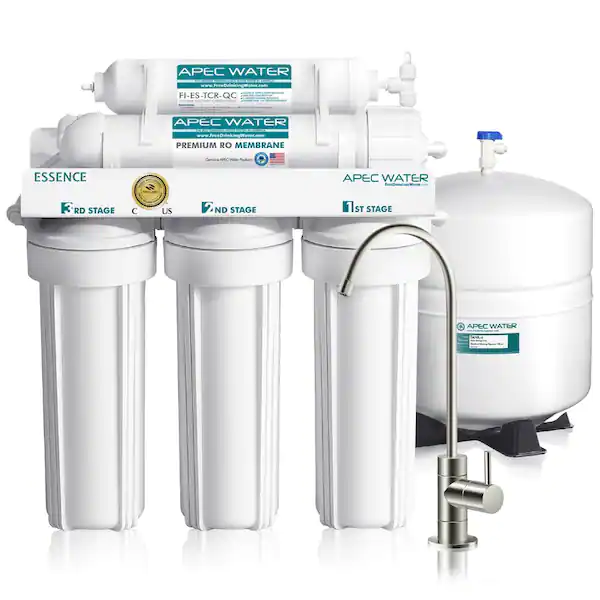
Another key player in this phase is reverse osmosis (RO). RO systems push water through a semipermeable membrane, allowing only clean water to pass while flushing away pollutants.
Targeting Microbes
e contaminants are microscopic but pose significant health risks. UV filters serve as an effective weapon against these threats. By exposing water to ultraviolet light, they deactivate bacteria and viruses without adding chemicals to your water.
This process ensures that harmful microorganisms are rendered harmless as they pass through the UV chamber. It’s a silent guardian ensuring your water’s safety on a microbial level.
Scale Prevention
Hard water can cause scale buildup in pipes and appliances. Salt-free conditioners address this issue by transforming calcium and magnesium minerals through crystallization.
This change prevents minerals from sticking to surfaces without resorting to salt-based softening methods. As a result, homeowners enjoy scale prevention that’s both eco-friendly and maintenance-free.
Filter Maintenance
Regular upkeep is essential for any filtration system to function at its best. This includes monitoring filter life and scheduling timely filter replacement. Neglecting this step can lead to reduced water quality and potential damage to the filtration system itself.
Manufacturers typically provide guidelines on when to replace filters based on usage and water quality conditions. Adhering to these recommendations ensures that your system continues to produce clean, safe drinking water day after day.
Preventing Scale and Metal Buildup
Scale Prevention
Water conditioners are pivotal in the fight against scale buildup. Unlike traditional softeners, salt-free water conditioners prevent scale without reliance on harsh chemicals. They transform minerals through a process called Template Assisted Crystallization (TAC), which alters the minerals’ structure. This change prevents the minerals from sticking to surfaces, thus safeguarding pipes and appliances.
They work effectively without adding sodium to the water, a common practice with salt-based softeners. Homeowners appreciate this because it means no salty aftertaste and no need for constant salt replenishment. It’s an eco-friendly solution that also spares you from frequent maintenance tasks.
Appliance Longevity
The longevity of home appliances can be severely compromised by scale accumulation. Water heaters, dishwashers, and washing machines all suffer when encased in mineral deposits. These deposits act as insulators, forcing appliances to work harder and consume more energy.
By preventing scale, water conditioners extend appliance lifespans. They ensure that heating elements function efficiently and that moving parts operate smoothly. The result is a noticeable reduction in energy bills and fewer repair calls – benefits that make friendly scale prevention methods worth investing in.
Metal Reduction
Advanced filtration technologies play a crucial role in reducing metal buildup in our water supply. High-quality systems often incorporate multiple stages of filtration, including activated carbon filters and ion exchange processes. These stages target contaminants like lead, ensuring safer drinking water.
e systems boast quality brass parts, which are less prone to corrosion than other materials. Brass fixtures resist wear and tear better, contributing to an overall more durable filtration system. By using robust components, these systems ensure that harmful metals are kept at bay for longer periods.
Metals like lead pose serious health risks if consumed over time. Effective filtration not only protects your health but also keeps your sink free from unsightly stains caused by metal residue.
Enhancing Filtration Efficiency
Pro-Grade Bypass
Upgrading to a Pro-Grade Bypass Kit can significantly boost the functionality of water filtration systems. This kit allows users to easily maintain their system without shutting off the main water supply. It means that routine filter changes and system checks can be done swiftly, ensuring consistent protection against contaminants.
The bypass valve offers a straightforward solution for service interruptions. Users can divert water away from the filtration unit, maintaining uninterrupted flow to faucets and appliances. This upgrade is especially useful during filter replacements or when attending to maintenance issues.
Pre-Filter Advantages
Integrating a low maintenance pre-filter into your water treatment setup extends the primary filter’s lifespan. The pre-filter acts as the first line of defense, trapping larger particles like sediment and debris before they reach the main filtration unit. This not only protects but also reduces the frequency of cartridge replacements.
By capturing these larger contaminants early on, the burden on subsequent filters lessens, allowing them to focus on removing smaller, more harmful contaminants. A robust pre-filter ensures that the overall system operates more efficiently and cost-effectively in the long term.
High Flow Design
Water pressure is a crucial aspect of any household’s plumbing system. Filtration systems designed for high flow rates are engineered to provide clean drinking water without compromising this pressure. These systems feature specialized cartridges and increased surface area which allow for greater water flow through the unit.
High flow rate systems ensure that even when multiple sinks or showers are in use, there is no noticeable drop in pressure. They maintain an optimal balance between contaminant reduction and pressure performance, proving that effective filtration does not have to come at the expense of comfort or convenience.
Addressing Common Questions
Lifespan Queries
Many homeowners question the durability of water filtration systems. Modern units are designed for longevity, with some models lasting up to five years before requiring a filter change. Maintenance is minimal, often involving periodic filter replacement and system checks. It’s vital to follow the manufacturer’s guidelines to ensure optimal performance over time.
Regular upkeep not only maintains water quality but also protects the system from wear and tear. Homeowners should mark their calendars for maintenance dates or set reminders to avoid overlooking these important tasks.
Testing Necessity
Testing your home’s water is a critical first step before installing any filtration system. Kits are available online or at local hardware stores, allowing families to test for common contaminants like lead, chlorine, and bacteria. These tests can reveal if city water treatment is sufficient or if additional home filtration is needed.
For those unsure about testing themselves, professional services offer more comprehensive analyses. They can pinpoint specific issues and recommend solutions tailored to your family’s needs.
City Water Myths
There’s a common belief that city water doesn’t require further filtration. However, while municipal treatment removes many contaminants, it may not catch everything. Substances like pharmaceuticals and microplastics can slip through, making whole house filtration an added layer of protection for your family.
Moreover, infrastructure issues such as old pipes can reintroduce contaminants into clean water. A whole house filtration system acts as a final barrier, ensuring the purity of your tap water from source to faucet.
System Selection
Choosing the right filtration system depends on your household needs and the contaminants present in your water. High-quality systems often feature big block carbon filters capable of removing a wide range of pollutants.
Consider systems that offer free shipping to reduce costs. Premium brands often provide this perk alongside superior product quality and customer support.
Installation Insights
Many worry about the complexity of installing a whole house system. While professional installation is recommended for most systems, some brands design products with easy DIY setup in mind – potentially saving on initial costs.
Shipping times vary by brand and location; plan accordingly when scheduling installation. Some companies offer expedited shipping options if you need your system installed quickly.
Choosing the Right System
Water Source
Households must consider their water source when selecting a filtration system. Well water may require different filtration compared to municipal sources. Customers should test their water to identify specific contaminants. This information guides the choice of an appropriate system.
A family using well water might need a robust system to remove sediments and bacteria. Those with city water might focus on chlorine and lead removal. Each source demands a tailored solution, ensuring safety and quality.
Household Size
System capacity is vital for meeting a household’s needs. Large families often benefit from high-capacity systems that can handle increased usage without frequent maintenance. Smaller households might opt for simpler solutions.
Customers should assess their daily water consumption. This helps them choose a system that won’t falter under heavy use. It also ensures they don’t overinvest in overly complex systems for modest needs.
Contaminant Concerns
Specific contaminants can affect health and taste. Systems vary in their ability to filter out different substances. It’s essential to match the system’s capabilities with the contaminants present in your water.
For example, reverse osmosis (RO) excels at reducing dissolved solids but may not be necessary if these aren’t prevalent in your supply. Activated carbon filters are great for improving taste by removing chlorine.
Certification Standards
Certifications like NSF or WQA indicate a system meets rigorous quality standards. These certifications provide peace of mind that the technology will perform as advertised.
Certified systems have undergone testing to ensure they effectively remove certain contaminants. This is crucial for safeguarding against health risks associated with impure water.
Upgrade Options
Considering future needs is wise when choosing a filtration solution. Systems that offer upgrade options allow for improved performance over time without requiring complete replacement.
An intelligent monitor can alert users when filters need changing, ensuring consistent quality over years of use. Some systems even allow for additional stages of filtration to be added as needed.
Cost Considerations
Cost is always an important factor in decision-making. Beyond initial investment, customers should consider long-term expenses such as maintenance and filter replacements.
Investing in a more expensive system upfront could save money over time due to lower running costs and durability. Balancing upfront cost with future savings is key for making an informed purchase.
Installation and Maintenance Tips
Basic Overview
Installing a whole house water filtration system starts with choosing the right location. It should be close to the main water line and easily accessible for maintenance. Turn off the main water supply and drain the existing system. Position the filtration unit and use the provided fittings to connect it to your water line. Ensure all connections are secure to prevent leaks.
Most systems come with clear instructions and can be installed with basic tools like wrenches and screwdrivers. Some homeowners opt for professional installation to ensure everything is set up correctly from the start.
Low Maintenance
Quality whole house water filtration systems are designed for ease of maintenance. Look for units with low maintenance pre-filters, which catch large particles before they reach the main filter. This helps extend the life of your system.
Regularly check these pre-filters and clean or replace them as needed, usually every two to three months. High-quality parts mean fewer replacements over time, contributing to overall cost savings.
System Checks
Performing regular system checks ensures your filtration system operates at peak performance. Inspect for any signs of wear or damage, especially after severe weather conditions that may affect plumbing.
For more complex components like replacement tanks, consider a complete solution approach. A green machine or similar advanced system might offer an exclusive lifetime warranty on parts, including replacement tanks.
Professional Help
While routine maintenance can often be done by homeowners, some tasks require professional help. If you notice a significant drop in water pressure or quality, it could indicate it’s time for replacements or upgrades.
Professional technicians can assess whether you need new wing nuts, replacement parts, or if there’s a larger issue at hand. They can also guide you through warranty claims if your system is covered.
Final Remarks
You’ve journeyed through the ins and outs of water filtration, grasping its importance and how it shields your home from the unseen. With a whole house system, you’re not just sipping cleaner water; you’re safeguarding your health and pipes from scale and metal’s silent creep. Filters are your unsung heroes, quietly ensuring efficiency behind the scenes. You’ve tackled the big questions, weighed your options, and now you’re armed with knowledge to pick the champ for your taps.
Don’t let the quest for purity end here. Dive in, choose that right system, and revel as water – your most intimate resource – gets the VIP treatment it deserves. Remember to keep up with maintenance; a little TLC goes a long way in keeping those filters fighting fit. Got a thirst for more? Reach out, ask experts, share stories, and keep that water wisdom flowing. After all, it’s clear skies ahead in your water world – drink up the benefits!
Frequently Asked Questions
What are the main benefits of installing a whole house water filtration system?
Whole house systems ensure every tap delivers clean, safe water. They reduce contaminants and can improve taste and odor.
How do water filters actually work?
Filters trap and remove impurities through physical barriers, chemical processes, or a combination of both, giving you cleaner water.
Can water filters prevent scale buildup in my pipes?
Absolutely! Many systems are designed to stop scale and metal buildup, protecting your plumbing and appliances over time.
Will a more efficient water filtration system save me money?
Yes, by enhancing filtration efficiency, you use less energy and prolong the life of your appliances – definitely a cost-saver!
What should I consider when choosing the right water filtration system for my home?
Consider your water quality needs, space availability, and budget. It’s like finding the perfect shoe – it should fit just right!
Are there common questions people have about water filtration that I might not have thought of?
Sure! People often wonder about filter replacement frequency and if they can install a system themselves – both great points to ponder.
Any tips for maintaining my water filtration system once it’s installed?
Regular maintenance is key. Replace filters as recommended to keep your system running smoothly – it’s like keeping your car oiled up!