


Ever wonder why some homes have plumbing that lasts a lifetime while others, possibly due to water usage habits or garbage disposals in the kitchen sink, are plagued with leaks and water wastage issues? The secret’s in the daily dance of diligence—plumbing system care, with maintenance tips on a regular basis to reduce water usage and prevent water wastage. It’s not just about fixing plumbing leaks; it’s about nurturing what keeps the water flowing through the home plumbing system. In this era of DIY fixes and internet hacks, the true path to uninterrupted service from your home plumbing system lies in understanding and maintaining them, which includes following maintenance tips to prevent water wastage and dealing with hard water. By sidestepping common blunders and embracing savvy upkeep strategies, you can help ensure your home’s plumbing pipes—its veins and arteries—stay clog-free and robust despite hard water.
Key Takeaways
- Regular maintenance of your plumbing system is crucial to prevent costly repairs and ensure efficient operation; neglect can lead to significant issues over time.
- Adopting good habits for your home plumbing system, such as being cautious about what goes down your drains and avoiding chemical cleaners, can significantly reduce the likelihood of clogs and corrosion.
- Implement preventive measures by insulating pipes, monitoring water pressure, and looking for signs of leaks to protect your plumbing infrastructure.
- Schedule regular drain cleaning for your home plumbing to avoid blockages that can cause back-ups and water damage, maintaining a clear and functional system.
- Keep your water heater in top condition through periodic inspections and flushing, as it’s an essential component of your plumbing system’s health.
- Recognize issues early in your home plumbing system by paying attention to warning signs like slow drains, unusual noises, or damp spots, and know when it’s time to call a professional to prevent minor problems from becoming major ones.
Importance of Plumbing Care
Cost Savings
Regular maintenance of your home plumbing system can lead to significant cost savings. By addressing small issues promptly, homeowners avoid the high expenses associated with emergency repairs. A dripping faucet or a silent toilet leak in your home plumbing system can seem minor, but over time, these issues add up. Preventive care ensures that plumbing needs are met before they escalate.
For instance, fixing a simple leak in home plumbing in a timely manner can prevent water damage to floors and walls, which is far more costly to repair. It’s not just about immediate savings; it’s also about avoiding future costs by keeping the plumbing system in top shape.
System Longevity
Proper care extends the life of your plumbing pipes and fixtures. Much like any other system in a home, the longevity of your plumbing is directly related to how well it is maintained. Regularly checking for corrosion or wear and tear helps ensure that parts last as long as they’re designed to.
Homeowners who invest time into maintaining their plumbing enjoy longer intervals between major renovations or replacements. This translates into fewer disruptions and more stability in managing household budgets. Care for your plumbing system today, and it will serve you well for years to come.
Preventive Measures
Taking preventive measures against common plumbing issues is surprisingly simple. Homeowners can perform many basic checks and tasks without needing professional help. Inspecting visible pipes for signs of moisture, monitoring water pressure, and looking out for slow drains are all effective ways to keep on top of your plumbing needs.
Installing strainers in sinks prevents clogs from forming, while being mindful of what goes down the drain avoids blockages. Even teaching family members about what shouldn’t be flushed down toilets can make a big difference in preventing common problems.
Adopt Good Habits
Proper Disposal
Households can prevent plumbing issues by disposing of waste properly. Coffee grounds, grease, and food particles should never go down the drain. These substances can cause severe clogs over time. Instead, they belong in the trash or a compost bin. Educating everyone in the home about what not to flush or pour down sinks is crucial. This knowledge helps maintain clear pipes on a regular basis.
Mesh drain covers are an effective tool for catching debris in both kitchen sinks and bathroom drains. They’re easy to install and save a lot of trouble later on by preventing objects from entering the plumbing system.
Avoid Chemicals
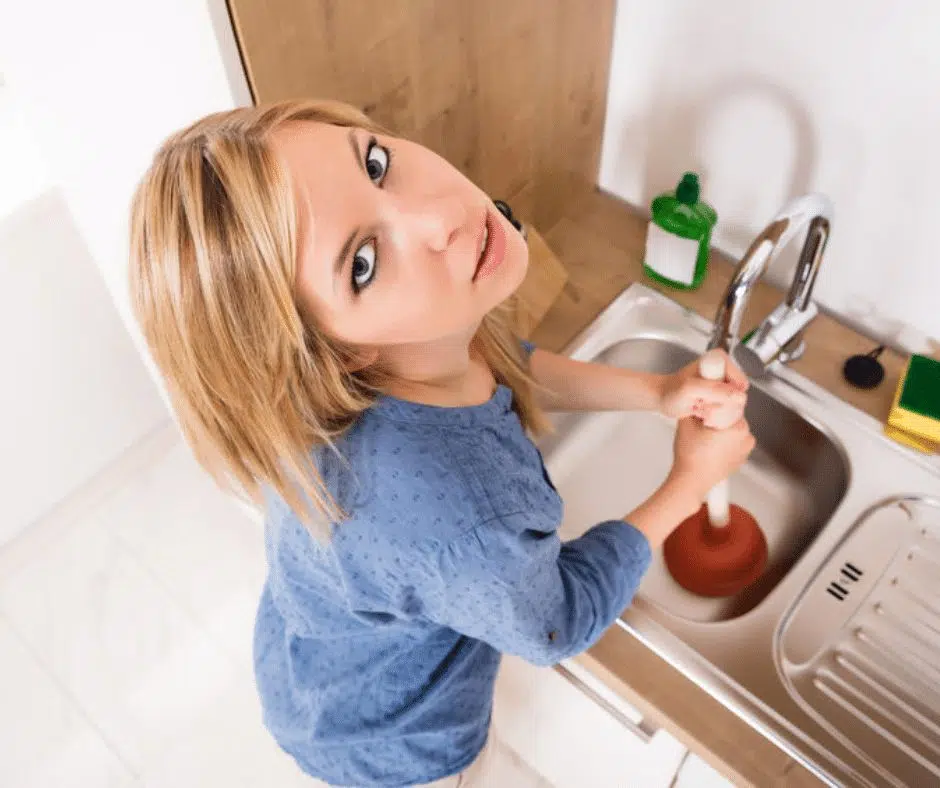
Harsh chemical cleaners might seem like a quick fix for clogged drains, but they often do more harm than good. These chemicals can corrode pipes, leading to leaks and costly repairs. For minor clogs, using a plunger or a plumber’s snake is a safer alternative that won’t damage your plumbing.
For tougher blockages, consider hiring professionals who use methods that are kinder to your pipes. Regular maintenance checks can also help identify potential problems before they worsen.
Professional Help
etimes professional intervention is necessary, especially when dealing with root intrusion in sewer lines or other complex issues. Experts have the tools and expertise to resolve these problems without causing further damage to your home’s plumbing system.
It’s best to schedule inspections every few years to ensure everything is working as it should be. This proactive approach saves money and hassle over time.
Preventive Measures
Annual Inspections
Professionals can spot problems early during annual inspections. It’s crucial to schedule these checks to prevent future issues. They look for leaks, corrosion, and blockage risks. Homeowners often overlook minor signs that experts can identify as potential threats.
Inspections also include assessing water pressure. High pressure may damage pipes over time. Experts adjust it to safe levels during their visit.
Pipe Insulation
Cold climates risk pipes freezing and bursting. Insulating them is a simple yet effective way to prevent this. Homeowners should focus on exposed areas such as attics or basements. Even in milder regions, unexpected cold snaps can occur, so insulation is a wise precaution.
Foam sleeves or heating tape are common insulation options. They’re easy to install and offer significant protection against freezing temperatures.
Water Softeners
Hard water causes mineral buildup inside pipes, reducing flow and causing damage. In areas with this issue, installing a water softener helps protect the plumbing system. It removes excess minerals from the water before they can accumulate.
teners extend the lifespan of both pipes and appliances by preventing scale buildup. They require maintenance but are a valuable addition for long-term pipe health.
Regular Drain Cleaning
Routine Maintenance
Cleaning drains regularly prevents buildup and blockages. Over time, garbage disposals and kitchen sinks accumulate grease and food particles. In bathrooms, hygiene products, paper towels, and even hair can clog pipes. It’s essential to remember that not everything is flushable; toilets are designed for human waste and toilet paper only.
To maintain clear drains, it’s wise to use sink strainers in the kitchen and a trash can for non-degradable items. Avoid pouring grease down any sink; instead, let it solidify and discard it in the trash. Simple habits like these save gallons of water and costly repairs in the long run.
Natural Solutions
Chemical cleaners can harm plumbing over time. Fortunately, natural methods exist for keeping drains clear without harsh chemicals. Baking soda followed by vinegar creates a fizzy reaction that helps dislodge minor clogs. Hot water flushes can also dissolve soap scum and grease buildup in sinks.
For routine maintenance, pour boiling water down your drains weekly. This practice helps remove early-stage blockages from grease or soap before they worsen.
Professional Services
etimes DIY methods aren’t enough for stubborn clogs. Professional drain cleaning services have the tools to tackle deeper issues effectively. They use specialized hoses to blast away obstructions without damaging pipes.
Professionals ensure all parts of your plumbing system function optimally, from sinks to sewer lines. Their expertise often identifies potential problems before they escalate, saving you time and money.
Water Heater Maintenance
Annual Inspections
Homeowners should schedule annual water heater inspections. These check-ups can catch issues before they worsen. A professional can identify small leaks and signs of wear. They assess the anode rod, which protects against corrosion, and ensure the temperature-pressure relief valve functions properly. Regular maintenance extends your appliance’s lifespan and maintains its efficiency.
During these inspections, flushing the water heater is crucial to remove sediment buildup. This residue often comes from hard water and can cause inefficiency or damage if left unchecked. Flushing helps maintain optimal performance and energy efficiency.
Maintenance Risks
Neglecting water heater care leads to problems. Sediment accumulation reduces hot water availability, forcing the unit to work harder. This increases energy costs and strains the system. Over time, this neglect may result in leaks or complete failure, leading to costly repairs or replacements.
Small leaks might seem insignificant but can escalate quickly, causing water damage throughout your home. Regular maintenance detects these issues early, saving homeowners from unexpected expenses and inconvenience.
Efficiency Upgrades
Upgrading appliances contributes to long-term savings and reliability. More efficient models use less energy to heat water, lowering water bills significantly over time. Tankless water heaters offer even more benefits; they provide hot water on demand without storing it in a tank, reducing energy usage further.
Homeowners interested in upgrades should consider their household’s water usage patterns. For those with high hot water demands, tankless models could be a smart investment for both energy savings and uninterrupted supply.
10 Tips for System Upkeep
Regular Inspections
Conduct monthly checks on pipes and faucets. Look for signs of drips or corrosion. Fix small leaks promptly to prevent larger issues.
Drain Care
Avoid pouring grease down the kitchen sink. It solidifies and clogs pipes. Dispose of oils and food scraps in the trash, not the drain.
Water Pressure
Monitor water pressure regularly. High pressure can damage plumbing. Install a pressure regulator if needed to maintain optimal levels.
Appliance Maintenance
Check appliances like dishwashers and washing machines for hose integrity. Replace brittle or leaking hoses to prevent water damage.
Valve Knowledge
Learn where the main shut-off valve is located. In emergencies like major leaks, turning off this valve will minimize damage.
Seasonal Precautions
Insulate pipes during cold months to prevent freezing. Disconnect garden hoses and use faucet covers to avoid burst pipes.
Gentle Cleaners
Use mild cleaners for drains and toilets. Harsh chemicals can erode pipes over time, leading to leaks or breaks.
Avoid Clogs
Install screens over drains to catch hair and debris. This simple step can prevent many common clog issues.
Professional Help
Schedule annual inspections with a licensed plumber. They can spot potential problems early, saving you from costly repairs later.
Education Matters
Understand your home’s plumbing layout. Knowing how the system works helps in identifying issues quickly when they arise.
Recognizing Issues Early
Warning Signs
Homeowners should stay vigilant for early signs of plumbing issues. Unusual noises like banging pipes or gurgling drains often signal trouble. They need to check under sinks and around toilets for dampness or water stains, as these can be telltale marks of a leak. It’s crucial to inspect walls and ceilings too; discoloration or peeling paint may indicate moisture from a hidden leak.
Another important sign is low water pressure, which could suggest a blockage or breach in the system. By keeping an eye out for these symptoms, homeowners can catch problems before they escalate.
Bill Monitoring
An unexpected spike in the water bill often points to leaks that go unnoticed. Homeowners should monitor their bills closely and compare monthly usage. If they spot a significant increase without a change in routine, it’s time to investigate. This might involve checking for dripping faucets or running toilets that waste water continuously.
Proactive Measures
Addressing small issues promptly can save money and prevent extensive damage in the long run. A dripping tap might seem minor, but over time it can lead to wasted water and higher bills. Similarly, a slow drain could be the precursor to a complete blockage.
Homeowners must take action at the first sign of trouble rather than waiting for it to worsen. For instance, tightening fittings or applying sealant might quickly resolve minor leaks. Regularly cleaning out drains helps maintain flow and prevents clogs.
When to Call a Professional
Complex Repairs
Plumbing issues can range from simple to complex. Homeowners often handle minor clogs or drippy faucets. But certain problems demand professional help. Major leaks, sewage backups, and water heater troubles are not DIY territory. They pose risks of property damage and personal injury.
Professionals have the tools and expertise to diagnose correctly and resolve these issues. They ensure repairs meet local codes, which is crucial for safety and insurance purposes.
Ongoing Issues
Repeated problems signal deeper plumbing system faults. If a drain keeps clogging or pipes frequently leak, it’s time for professional assessment. These patterns suggest potential systemic failures that could lead to significant damage.
A trusted plumber can identify the root cause and offer long-term solutions. This approach prevents future disruptions and costly emergency repairs.
Reputable Services
Choosing the right plumbing service is vital. Look for licensed professionals with proof of insurance. Licensing ensures plumbers meet industry standards, while insurance protects homeowners from liability during repair work.
Check reviews and ask for recommendations to gauge reliability and customer satisfaction. A reputable service should provide clear cost estimates and warranty information for their work.
Regular Maintenance
Establishing a relationship with a trusted plumber helps maintain your plumbing system’s health. Regular inspections can catch issues early, as discussed in the previous section. This proactive strategy minimizes emergency calls and extends the lifespan of your plumbing components.
Scheduling routine maintenance provides peace of mind knowing an expert is looking out for potential problems before they escalate.
Closing Thoughts
Your home’s plumbing is like the veins of your abode—neglect can lead to a real mess, but a little TLC goes a long way. We’ve walked through the essentials: from adopting good habits and taking preventive steps, to regular drain cleaning and water heater maintenance. You’ve got the know-how for system upkeep and the savvy to spot issues before they balloon. And remember, there’s no shame in calling in the pros when things get hairy.
Now it’s on you. Roll up those sleeves and make these tips part of your routine. Your plumbing will thank you with years of trouble-free service. Got a question or hit a snag? Don’t hesitate to seek expert advice. Take action, keep your system running smoothly, and avoid the panic button down the line. Here’s to dry floors and quiet pipes!
Frequently Asked Questions
Why is regular plumbing care important?
Regular plumbing care prevents costly repairs, maintains water quality, and ensures efficient system operation. It’s like keeping your car tuned up to avoid breakdowns.
What are some good habits for plumbing maintenance?
Good habits include not pouring grease down the drain, watching what you flush, and being mindful of what goes into your disposal. Think of your drains like a diet – only the good stuff!
How often should I clean my drains?
You should clean your drains at least once a year. It’s like giving your pipes an annual check-up to keep them clear and healthy.
What maintenance does a water heater need?
Your water heater needs an annual inspection, sediment flushing, and temperature checks. Treat it as you would any appliance that you rely on daily.
Can you give me some quick tips for plumbing upkeep?
Sure! Insulate pipes, fix leaks promptly, don’t ignore drips, and use strainers in drains. Consider these tips as your plumbing’s daily vitamins.
How can I recognize plumbing issues early?
Watch out for slow drains, odd noises, or unpleasant smells. It’s like sniffing out trouble before it becomes a stink.
When should I call a professional plumber?
Call a pro when you face persistent clogs, low water pressure, or if DIY fixes don’t cut it. Sometimes, it’s best to leave it to the experts—like calling a superhero when there’s trouble.