


How to Tell If Your AC Needs More Refrigerant
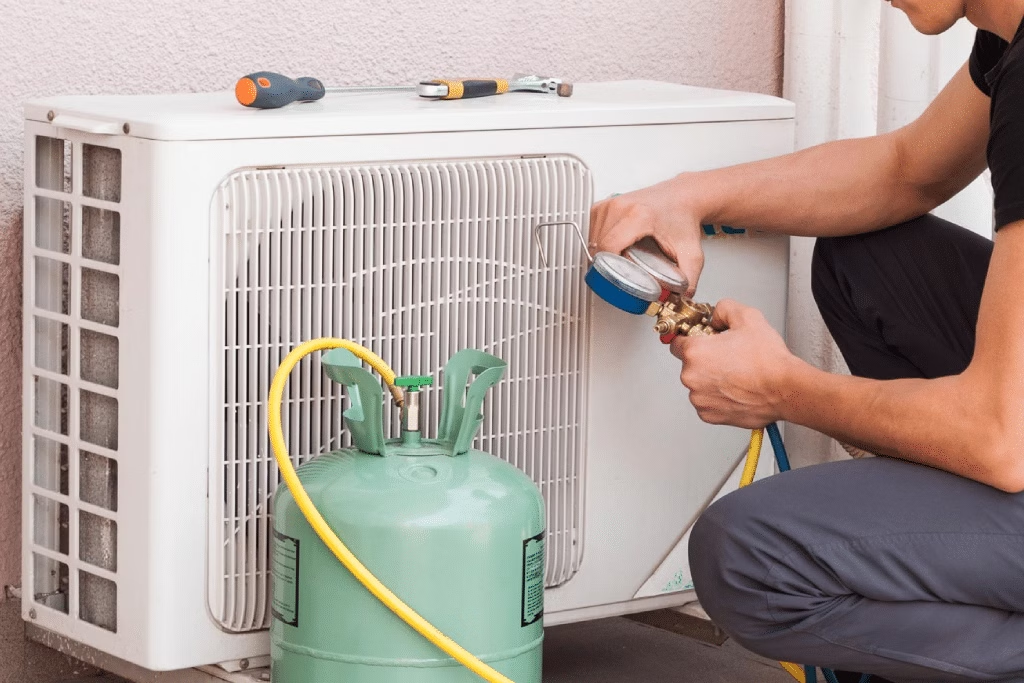
Key Takeaways How to tell if AC needs more refrigerant are the symptoms that indicate low levels in a cooling system. Typical signs are weak cooling, longer run times, ice on lines and increased energy bills. Oil stains or hissing sounds near fittings can indicate leaks. A technician can check levels with the right gauges […]
What Is a High-Efficiency Boiler and Is It Worth Buying?

Key Takeaways A high efficiency boiler is a heating unit that converts most fuel into usable heat with minimal waste. These boilers rely on condensing technology and sealed combustion to achieve efficiency ratings greater than 90% seasonal efficiency. Homeowners get lower fuel bills and lower emissions when they switch from older models. Installation requires appropriate […]
Why Is My Baseboard Heater Not Working?

Key Takeaways Baseboard Heater Not Working Sometimes a baseboard heater won’t work because of power problems, a tripped breaker, a faulty thermostat or blocked convection. Electric units frequently fail from loose wiring or a broken element. Hydronic systems can lose heat from low water pressure or air in the pipes. These easy tests can help […]
Best Time to Schedule AC Maintenance in Minnesota — Spring is Ideal

Key Takeaways Spring is the best time of year to schedule AC maintenance in Minnesota, usually sometime between April and early June. Scheduling then helps catch problems before summer heat and increases cooling efficiency by 10 to 20 percent on average. Technicians can clean coils, check refrigerant, and test systems when demand is low. Early […]
How to Bleed Air from Baseboard Heating: Step-by-Step Instructions

Key Takeaways === How to bleed air from baseboard heating provides instructions on eliminating air pockets to ensure uniform heating. Begin by shutting off the system and allowing pipes to cool. With a radiator key or flat screwdriver, open each bleed valve slowly until steady water emerges, then close. Check boiler pressure and top up […]
Tankless Water Heaters: What They Are, How They Work, and Are They Right for You?

Key Takeaways How a tankless water heater works. It employs a gas burner or electric element to rapidly heat water while it passes through a heat exchanger, providing instant hot water and energy savings by eliminating standby heat loss. Output and sizing needs are driven by flow rate and incoming temperature. Installation requires correct gas, […]
R-454B Refrigerant Is Coming – What Homeowners Need to Know
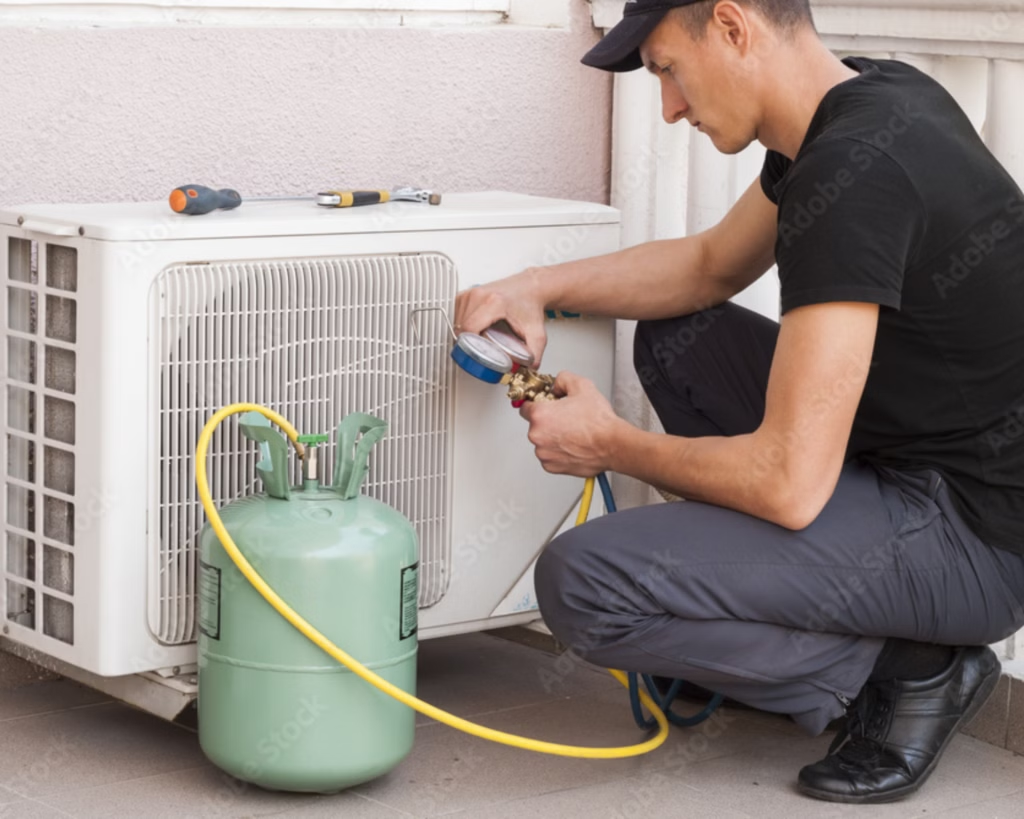
Key Takeaways R-454B refrigerant is a low-GWP blend used in newer residential ACs and heat pumps. It lowers climate impact versus legacy refrigerants and demands systems fashioned for increased pressures and particular oils. Homeowners will experience shifts in equipment price, maintenance requirements, and repair standards such as certified technician service and appropriate leak management. Energy […]
Winter Heating Tips Every Minnesota Homeowner Should Know

Key Takeaways Winter heating tips every Minnesota homeowner should know are practical steps to cut costs and keep homes safe. It includes furnace inspections, thermostat adjustments, air-sealing cracks, and safe use of space heaters. Additionally, it includes tips on how to balance humidity, schedule professional tune-ups, and identify common carbon monoxide hazards. These tips apply […]
Is your furnace struggling in a Minnesota cold snap? Here’s why and what to do
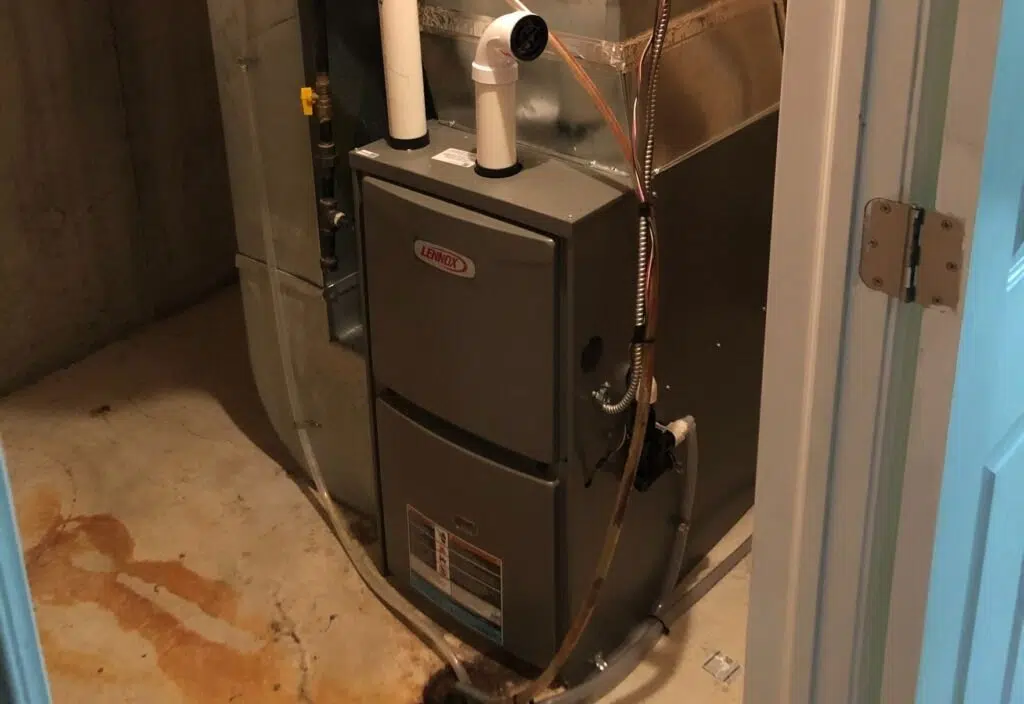
Key Takeaways Why your furnace might not keep up is undersized equipment, restricted airflow or fuel and ignition issues. Older systems lose capacity from wear and reduced efficiency. Controlled thermostat settings and extreme outdoor temperatures push the need above rated capacity. Bad insulation and duct leaks cause the furnace to work harder and run longer. […]
Prevent Frozen Pipes in Minnesota Winters

Key Takeaways How to prevent frozen pipes in Minnesota winters is a series of actionable strategies that homeowners implement to mitigate pipe bursts and water leakage. Cold air under -18°C (0°F) and persistent winds increase the danger in uninsulated spaces such as crawlspaces, attics, and exterior walls. Adding insulation, running a slow drip, sealing gaps, […]