

Key Takeaways
- Minnesota winters are hard on pipes, putting them at high risk for freezing and bursting because of dangerous cold, deep frost and temperature swings. Be proactive to prevent expensive water damage.
- Wrap pipes, shield outdoor faucets, and seal around foundations and window frames to keep cold air from accessing plumbing in unheated spaces.
- Keep your indoor heat consistent around 55 degrees. Leave cabinet doors open near plumbing. Take safe supplemental heat where necessary to minimize freeze danger.
- Let vulnerable taps drip in deep freeze, disconnect and drain hoses prior to the freeze, and shovel snow away from exterior walls and vents.
- Utilize smart devices and frequent professional inspections to keep an eye on temperatures and detect leaks early. Consider materials like PEX that resist freezing when installing pipe upgrades.
- Know emergency steps: Locate and label shutoff valves, safely thaw pipes starting at the faucet, document damage for insurance, and contact a licensed plumber or restoration service quickly.
How to prevent frozen pipes in Minnesota winters is a series of actionable strategies that homeowners implement to mitigate pipe bursts and water leakage.
Cold air under -18°C (0°F) and persistent winds increase the danger in uninsulated spaces such as crawlspaces, attics, and exterior walls.
Adding insulation, running a slow drip, sealing gaps, and maintaining consistent home heat are all key in preventing frozen pipes.
The body will provide explicit, how-to style methods and materials to use.
The Minnesota Challenge
Minnesota winters are biting cold, buried frost, and temperature swings that threaten water systems. Minneapolis, St. Paul, and the surrounding areas contend with long periods of subzero temperatures, deep snow cover, and thaw. These scenarios increase the risk of indoor and outdoor pipes, service lines, and septic systems freezing and bursting, resulting in expensive water damage and extended repairs.
The subtopics below dissect the primary dangers and actionable methods to mitigate.
Deep Frost
Expect deep ground frost that can penetrate and freeze underground water lines and exterior pipes during prolonged winters. Buried water service pipes should be below local frost depth. If not, then insulate or consider deeper rerouting.
Insulate outdoor pipes and hose bibs with foam covers and heat tape. Drain and winterize shut-off valves for exterior lines. Follow local frost depth reports from your municipal utilities or state sources, as deeper frost means a greater likelihood of broken water lines and delayed repairs.
Pipes adjacent to exterior walls, in unheated basements, and shallow crawl spaces require special care. Include pipe sleeves, R-value batts, or small electric heat cables. Open cabinet doors under sinks on cold evenings to allow warm air to wrap around susceptible pipes.
Sudden Thaws
Temperature spikes after a cold snap can thaw interior ice and expose tiny cracks that seep or erupt under pressure. Check drains and low spots following a thaw. Check for fresh damp patches, discolorations, or stale smells that indicate a slow leak.
Quick thaws strain septic systems and city drains. Extra runoff can flood lines and cause backups. Spread out laundry to one warm or hot load per day to keep septic flows moving and minimize freezing risk.
If your septic system is frozen or you see signs of ice or leaking, don’t put mulch on it now. Mulch over frozen systems will slow the spring thaw and wait to make repairs. If you locate any leak or compromised pipe, arrange immediate repair prior to the next freeze-thaw cycle to prevent exacerbating damage.
Wind Chill
Wind chill can accelerate heat loss from uninsulated pipes, causing them to freeze even when the air temperature is near or just above freezing. Seal around doors, windows, and foundations to prevent cold drafts from reaching your indoor plumbing.
Protect with foam pipe insulation, fiberglass wraps, or approved heat tape in attics, garages, and other drafty areas in which pipes run. If you have long runs along exterior walls, perhaps you can route the insulation and put in low-level heating cables with thermostat control.
Leave thermostats no lower than 55 to 60 degrees Fahrenheit when away to keep whole-house temperatures stable, as even 50 degrees Fahrenheit can still be cold enough to freeze. A slow drip through taps in deep freeze protects susceptible lines from icing.
Prevention Strategies
Good prevention employs a combination of insulation, targeted heating, and strategic water flow to minimize frozen pipes and ruptures, especially in outdoor plumbing fixtures. These preventative steps are beneficial for both new builds and older homes, proving effective when incorporated into an annual checklist shared with the entire family.
1. Insulate Pipes
Add foam pipe sleeves or fiberglass wrap to exposed pipes in basements, attics, crawl spaces, garages, and exterior walls. Use heat tape, which is electrical tracing, on metal pipes; see manufacturer and local codes. Concentrate on copper, PEX, and other metal water lines where heat loss is most severe.
Be sure to cover outdoor faucets and hose bibs with insulated foam covers. Check your current insulation before winter and replace crumbling or wet material. Priority areas for insulation include exterior wall runs, utility rooms, crawl spaces, and unheated basements.
Table: exterior walls, crawl spaces, attics, garages, utility rooms — rank by exposure and pipe quantity.
2. Seal Air Leaks
Find gaps around windows, doors, vents, and foundation that bring cold air close to plumbing runs. Use weatherstripping on operable frames and caulk for static cracks. For penetrations where pipes pass through walls or floors, apply low-expansion spray foam to seal voids and slow cold air movement.
Check seals at vents and around electrical chases seasonally as materials can shrink. Keep and re-seal as necessary throughout winter to trap ambient warmth in close proximity to pipes. Small leaks and wind can drive down temperatures enough for freezing, particularly in long subfreezing stretches near −6 °C.
3. Maintain Heat
Maintain the thermostat at a consistent minimum of 55 degrees. Sixty degrees gives additional buffer space during deep freezes. Open cabinet doors under sinks to allow warm air to circulate around pipes on outside walls.
Space heaters can target trouble areas, but be cautious and use certified units. Watch indoor temps during cold snaps and close heat zones to prevent cold pockets around plumbing areas. For longer absences, fully winterize plumbing by shutting off the main water and draining lines, or keep the heat on and check remotely if you can.
4. Allow Faucets to Drip
A slow, steady drip keeps water flowing and reduces freeze danger. Focus on taps connected to pipes in unheated spaces or exterior walls. Maintain an easy reference list of what taps to drip in cold snaps so everyone is on the same page.
The slight increase in water use is negligible compared to repair costs following a burst pipe. Monitor events and customize which fixtures drip as conditions evolve.
5. Disconnect Hoses
Take, drain and store garden hoses before the first freeze. Close and drain hose bibs, or replace white with frost-proof versions to prevent trapped water from freezing. Hoses left on can trap water and ice jams that burst supply lines.
Keep hoses inside to save their lives and keep them from cracking.
Beyond the Basics
Beyond the basics measures supplement simple insulation and heat. Think in terms of systems and patterns that mitigate freeze risk around the entire property and anticipate how snow, technology, and pipe age alter that risk.
Going beyond the basics extends to smart targeted heat tracing, redundancy with smart switches and sensors, material upgrades, and making intentional decisions about operation when you’re not home. These moves reduce the chances of a freeze evolving into a big loss.
Snow Impact
Shovel snow away from foundation walls and basement window wells to reduce cold conduction into wall cavities. Compacted snow and drifts keep cold pressed against outside walls and can obstruct flues that serve combustion appliances.
Blocked vents can starve furnaces and boilers, shutting them down and letting pipes freeze in as little as a two or three day heatless period. Clear snow away from outdoor faucets and hose bibs and insulate exposed spigots.
Melting snow can seep into small cracks around piping runs and then refreeze, widening gaps and exerting pressure that can break pipes. Inspect roof and gutters for ice dams. Water driven beneath shingles and into walls can freeze within wall cavities and around plumbing runs, compounding freeze risk.
Keep an eye on attic ventilation. Deep snow can alter roof loading and ventilation dynamics, chilling attic spaces and exterior wall cavities where pipes frequently run.
Smart Technology
To prevent frozen pipes, install a programmable or smart thermostat and configure a safe baseline temperature of no lower than 13 degrees Celsius (55°F). This will help mitigate the risk of freezing temperatures. Smart thermostats will notify you of quick temperature declines, maintaining consistent day-night settings to protect your plumbing system.
Big swings in temperature add freeze potential when you turn down heat while away from home. Additionally, install or place smart leak detectors and water sensors near susceptible plumbing fixtures, such as sinks and dishwashers. These units dispatch alerts as soon as water is detected, which is crucial because a small pipe fissure can leak hundreds of gallons within minutes.
Consider automatic shutoff valves connected to leak sensors to halt flow if a burst occurs in your outdoor plumbing fixtures. Get remote temperature and humidity monitors that stream data to your phone to keep track of conditions.
If you travel, request a neighbor to inspect an alarm or get alerts. Schedule daily onsite inspections when temperatures drop and systems indicate low heat to prevent serious freeze issues.
Home Age
Survey pipe qualities and routes. Older homes may have pipes in unheated exterior walls and metal pipes may corrode or crack with hairline fractures.
Swap out any old inflexible copper or iron runs for flexible PEX wherever possible. PEX bends and survives freeze-thaw cycles better.
Check insulation and add foam or wrapped heat tape to exposed runs. Seek out rust, minor leaks, freeze damage and repair before winter.
Focus improvements on historic homes and unheated crawl spaces, and take a staged approach when you can’t quite replace it all.
Common Local Mistakes
Minnesota winters require constant care of your plumbing system, especially to prevent frozen pipes. A lot of trouble begins with local, innocent oversights that appear harmless until the temperatures drop, leading to serious freeze problems. Here are some common mistakes homeowners make regarding outdoor plumbing and how to fix them before damage occurs.
Thermostat Setbacks
Reducing the temperature at night or during absences can allow interior pipe temperatures to fall into the danger zone. Leaving a house at 10 to 15 degrees Celsius (50 to 59 degrees Fahrenheit) will safeguard a few systems, but it is best to maintain settings at least 13 to 16 degrees Celsius (55 to 60 degrees Fahrenheit) during cold spells.
Set thermostats to maintain a constant baseline and not large day and night fluctuations. Educate your entire household that cranking the heat way down is not safe in frigid temperatures. Utilize a programmable or smart thermostat to maintain rooms above the critical threshold and to alert you if indoor temperatures drop unexpectedly.
Unheated Spaces
Pipes in garages, attics, crawl spaces, and utility closets are the most susceptible. These spaces are typically not well insulated and one cold draft can freeze a line. Check pipe insulation prior to winter and swap out any worn or missing foam or wrap, especially around joints and valves.
Shut the garage doors on cold snaps and seal up any gaps where cold air is invading your basement or crawl space. If plumbing runs through unheated rooms, add targeted heat. A small, thermostatically controlled space heater or heat tape on pipes can keep water moving.
Inspect any outdoor meter configurations and lawn faucets in the fall. If the shutoff valves or yard hydrants aren’t closed and drained, they can freeze and break.
Vacation Neglect
It’s dangerous to let a home go unheated for a week or more. Water in pipes can freeze in two or three days after the heat goes off, and once one pipe freezes, the rest usually freeze as well. If you have to be gone, have someone stop by and make sure the heat is running.
Better options are to lower but maintain heat at 13–16°C, shut off the main water supply, and drain the system if the house will be empty for an extended time. Shut and drain all outdoor fixtures and hose bibs prior to the first freeze. Leaving them connected or open is an invitation to busted lines and expensive repairs.
Utilize intelligent sensors to track indoor temperatures and receive notifications if they drop below safe thresholds.
Keep a checklist for fall prep: insulate pipes, winterize exterior faucets, confirm thermostat schedules, and test remote alerts. Small steps save big stumbles.
A Plumber’s Perspective
Professional plumbers approach frozen pipes with a clear plan: prevent where possible, stop further damage when it happens, then repair with durability in mind. From a plumber’s standpoint, the immediate response to any emergency is to turn off the main water supply to restrict flooding. After that, a plumber scopes the system to locate everything leaking and to estimate what pipe lengths can be salvaged.
Preventive work is much less expensive than repair, so regular inspections and strategic improvements are key to a plumber’s recommendations.
Code Nuances
Install according to local plumbing codes for placement, insulation, and frost protection. Codes specify minimum distances from outside walls, insulation R-values, and venting and drainage requirements that are relevant in cold climates. Minnesota likes its winters resilient, and we’re sure contractors should check local amendments and file permits if changing systems.
Frost-proof hose bibs and proper venting are installed per code and often their installation is a reason inspectors fail projects. Have it inspected regularly so that any drift from code or wear from previous winters can be discovered and repaired before the temperatures drop.
Material Choices
Material selection reduces risk. PEX is preferred for new installs because it stands up to freezing better than rigid copper. It expands and doesn’t crack as easily. For exposed runs, foam sleeves, closed-cell insulation, and approved heat tape are workable solutions.
Swap out any antiquated metal pipes that appear corroded or thinned. Plumbers routinely find frozen metal pipes in homes that break under cold snaps. Talk to a plumber about whether partial repipe or targeted replacement is best. Sometimes, only the most vulnerable runs require modern material, yet it saves you money and makes the whole system more resilient.
The Unseen Dangers
Concealed pipes within walls, ceilings, and under flooring can freeze with very little warning. Watch for subtle signs: reduced pressure, strange noises when faucets start, or frost on visible sections. Minor leaks or hairline fractures can be overlooked until the warm weather hits and the damage extends.
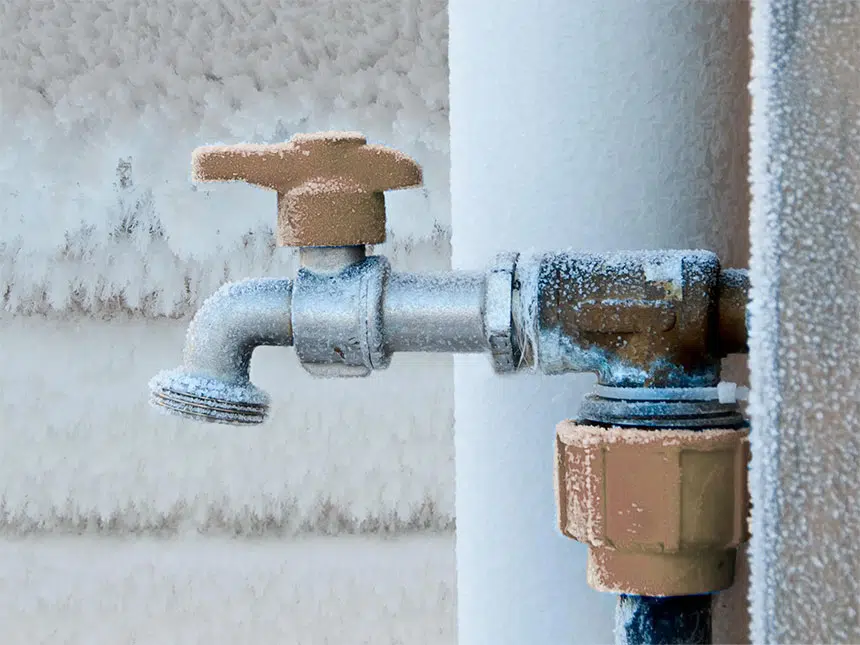
Outdoor faucets and hoses require disconnection, draining, and covers. Plumbers routinely discover these left connected and causing failures. For long absences, consider full winterization: drain lines, shut valves, or keep the thermostat at least 55 to 60 degrees to prevent freeze.
Annual professional inspections help reveal hidden dangers and allow plumbers to chart weaknesses ahead of a disaster.
Emergency Response
When you suspect a frozen or burst pipe, act fast to prevent water damage and avoid expensive restoration. Immediate actions relieve system stress, prevent active leaks, and allow responders to evaluate. Maintain indoor temperature, ideally at a minimum of 13°C (55°F), and leave a slow drip at exposed taps as you respond.
Just in case, have an emergency kit assembled with some basic tools, a plumber contact list, and simple instructions for your family members.
Thawing Safely
Use low-risk heat sources: a hair dryer, electric heat tape, or warm towels wrapped around the pipe. No open flames, torches, or heat devices increase the risk of fire or damage to pipe coatings.
Begin defrosting at the tail end by the faucet and proceed inward to the frozen area so water can flow out. Leave the faucet open as you heat the pipe, as running water relieves pressure and helps prevent bursts.
Don’t bring electrical appliances into contact with puddles of water, unplugging first and using GFCIs if you’re lucky. If thawing doesn’t happen quickly or you notice bulging or leaking, stop and call a pro.
Locating Shutoffs
Locate and practice turning off your main water shutoff valve before an emergency strikes. The valve is typically in basements, crawl spaces, or utility areas. Mark it well so any family member or tenant can shut it off quickly.
Turn the valve clockwise to shut off flow and test that faucets run dry. Mark shutoff points for outdoor taps and appliance feeds on a basic house schematic and keep it in your emergency kit.
During your annual plumber visit, have the valves tested to be sure they move freely and do not leak when closed.
Assessing Damage
Once you have shut off the water, check for any visible leaks, saturated insulation, warped floors or damaged ceilings. When safe, take time-stamped photos and notes to record damage for insurance and restoration crews.
Solid documentation can accelerate claims and appropriate repairs. Call in the pros for restoration service immediately when damage extends beyond a minor leak or when structural elements are impacted.
Watch for secondary issues after repairs. Mold, weak drywall, and hidden moisture can show up weeks later. Think about timing your annual maintenance to catch susceptible pipes, ones close to outside walls or in unheated areas, before the next cold snap.
Conclusion
Cold snaps in Minnesota represent an obvious threat to pipes. Here’s how to keep your pipes from freezing up in Minnesota winters. Seal drafts and relocate exposed hoses and meters indoors where possible. Sprinkle heat tape or a small space heater in tough spots and check attic and crawlspace temperatures. Call a licensed plumber for complicated fixes and arrange a winter shutoff and repair schedule. Local pros find weak spots quicker than DIY inspections. One clear example is insulating a basement pipe with foam wrap and running a 2 mm electric tape cut the freeze risk in half for one homeowner last winter. Take action before it’s too late to prevent a pricey burst and keep your water flowing through the freeze.
Frequently Asked Questions
How cold does it need to be for pipes to freeze in Minnesota?
Pipes freeze at 0°C (32°F) or below, especially in outdoor plumbing fixtures without proper insulation. Taking action early when forecasts dip near freezing can prevent serious freeze problems and broken pipes.
What are the fastest ways to prevent pipes from freezing?
To prevent frozen pipes, maintain heat, open cabinets, drip taps, and seal pipe drafts. These methods keep the plumbing system’s temperature up and release pressure that leads to bursts.
How should I insulate exposed pipes?
Foam pipe insulation sleeves or heat tape for metal and plastic pipes are essential for preventing frozen pipes during freezing temperatures. Focus on unheated areas like basements, crawl spaces, attics, and exterior walls to protect your plumbing system.
Can I safely use space heaters to protect pipes?
Yes, when used appropriately, outdoor plumbing fixtures should be kept away from combustibles, on a thermostat, and follow instructions. We prefer permanent solutions like insulation and heat tape for long-term safety against frozen pipes.
What signs indicate a frozen pipe before it bursts?
Watch for diminished water flow, odd noises, or frost on pipes, as these can indicate frozen pipes. Discolored water post-thaw and uncommonly cold spots along walls alert to freezing temperatures.
What should I do if I find a frozen pipe?
Turn on adjacent faucets and use a hair dryer or heat lamp to warm the area, slowly thawing the frozen pipe toward the faucet. If you smell gas or see any damage, evacuate and call trustworthy plumbing experts.
When should I call a plumber or emergency services?
Call a plumber from St Paul Pipeworks if thawing doesn’t work, if you suspect frozen pipes are leaking or you think one might have burst. Quick action lessens damage during freezing temperatures.