

Key Takeaways
- Most furnaces can hit their max during extreme cold snaps. Anticipate short-term indoor temperature dips and schedule back-up heat or additional insulation.
- Double check your furnace sizing and design temperature against actual home size and local extremes. Get a sizing chart or a professional if you see constant runtime or failure to achieve set temperatures.
- Help your furnace stay ahead of the chill with a few tips to optimize its airflow and fuel delivery.
- Minimize heat loss. Seal air leaks, insulate attics and crawlspaces, upgrade windows, or use thermal curtains to conserve warmth.
- Keep an eye on system wear and controls with annual tune-ups, prompt replacement of worn parts and sensors, and by moving or upgrading thermostats to smarter units with adaptive features.
- Balance whole-home performance by plugging duct leaks, relieving pressure imbalances, running ceiling fans in reverse to redistribute warm air, and setting an emergency heating plan for extended cold snaps.
Why your furnace might not keep up is undersized equipment, restricted airflow or fuel and ignition issues. Older systems lose capacity from wear and reduced efficiency. Controlled thermostat settings and extreme outdoor temperatures push the need above rated capacity.
Bad insulation and duct leaks cause the furnace to work harder and run longer. The below details common causes and some practical checks to locate the root problem.
Furnace Limitations
Most furnaces for homes were designed and specified for normal winter conditions, not the sustained extremes we occasionally experience. During Minnesota cold snaps, outdoor temperatures often dip far below the 0 °C design point most systems assume. Usual limits are around 0 °F or -18 °C, and equipment output declines as outdoor temperature approaches -20 to -30 °F or -29 to -34 °C or less.
Anticipate underperformance, longer runtimes and increased likelihood of cold spots when external demands overwhelm original assumptions.
1. Sizing Mismatch
If a furnace is undersized for the house square footage it needs to heat, it will run nearly continuously without achieving the set temperature. A small unit’s BTU output compared to the calculated heat loss of the home is the first thing to check, especially following additions or major renovations that increased square meters or improved insulation in some zones but not others.
For instance, a recently added insulated sunroom can alter heat load patterns and leave the original furnace undersized for winter peaks. Use a sizing chart or heat-loss calculator that takes into account wall type, window size, and local winter lows.
A fair BTU output to calculated demand comparison tells you if the unit can meet extreme cold loads.
2. Design Temperature
A lot of systems were installed with a “design temperature” that was based on long term averages, not record lows. When actual outdoor lows creep above that design number, the furnace can run around the clock and still not achieve thermostat setpoints. Since design specs indicate what temperature the system was designed for, if they assume 0 °F but your region experiences -25 °F spells, the disconnect is obvious.
Understanding those original design choices can help explain why some systems struggle. It informs decisions on how to upgrade, supplement heat, or adjust expectations during those occasional arctic blasts.
3. Airflow Restriction
Closed or blocked supply vents and dirty filters reduce airflow and delivered heat, leading to cold rooms and uneven temperatures. Minor obstructions can cause the blower to strain, reduce overall system efficiency, and introduce hot and cold zones. Inspect vents for furniture or rugs that block circulation and replace filters regularly to avoid stress.
Just be certain return grilles are clear. If a few rooms seem to stay cool, think about balancing dampers. Easy fixes tend to regain more heat than you’d imagine.
4. Fuel Delivery
A steady fuel supply is essential when things get busy. Even natural gas pressure drops, delayed propane deliveries, or low oil tanks can cause your furnace to shut down either completely or partially during a weather event. Ice on outdoor lines or snow blocking tank vents can limit fuel flow.
Schedule deliveries in anticipation of predicted cold. Check tank levels. Shovel snow off fuel lines and vents.
5. Combustion Air
Tightly sealed homes may not provide sufficient fresh air for combustion and outdoor vents can become blocked by snow. Limited combustion air causes safety shutoffs or reduced efficiency.
Make sure intake and exhaust paths remain clear, and vent extensions or shields are recommended where repeated snow blockage is an issue. Regular checkups provide safe combustion air and reduce the risk of mid-winter breakdown.
Home Inefficiency
Cold snaps reveal vulnerabilities in a home’s thermal shell and airflow, especially during Minnesota winters. Tiny cracks, poor insulation, and cheap windows allow warmth to leech out, making space heaters and the heating system work harder, leading to costly repairs and energy efficiency issues. The points below decompose the root causes and actionable solutions.
Insulation Gaps
Check attics, walls, and crawlspaces for missing or compressed insulation that allows warm air to seep out. In most homes, the attic is the greatest source of loss. Loose-fill or batt insulation falling short of recommended R-values for cold climates will not retain heat when temperatures outside drop below 0 °F.
Insulation should be added or upgraded to meet regional R-value recommendations, with roof and ceiling layers being a priority. Seal holes around pipes, chimneys, and electrical outlets with foam or caulk to prevent convective loss. Thermal imaging cameras expose secret drafts.
A quick do-it-yourself test is to slide a warm palm over surfaces on a cold day to detect where the temperature falls. Prioritize areas where heat loss is largest first: attic, rim joists, and vaulted ceilings.
- Attic insulation gaps
- Leaky windows and frames
- Unsealed doors and thresholds
- Rim joist and basement wall voids
- Duct runs through unconditioned space
- Poorly insulated plumbing or vents
Air Leaks
To prevent cold weather issues, find drafts around doors, windows, baseboards, and areas where utilities enter the house. Even minor leaks allow a constant flow of chilly air indoors. Use weatherstripping on operable windows and doors, caulk fixed joints, and apply expanding foam for larger holes. Testing for leaks with a smoke pencil or by touch on a windy day can be very effective.
Create a checklist of common leak points to address before Minnesota winters arrive. Diminished airflow from leaks and blocked return ducts can lead to uneven heating, increase energy costs, and shorten the lifespan of your heating system. Closing off unused rooms and lowering your thermostat by a few degrees can ease the strain on your furnace during extreme cold.
By ensuring proper maintenance and sealing leaks, homeowners can significantly improve energy efficiency and comfort during harsh winter weather. Regular furnace maintenance is key to preventing future furnace breakdowns and ensuring your home stays warm throughout the cold months.
Window Quality
To enhance energy efficiency during the harsh Minnesota winters, consider replacing your windows with double or triple-pane models. This upgrade can significantly reduce conductive heat loss and drafts, especially during extreme cold. Additionally, heavy curtains or thermal blinds at night will help retain heat, providing essential cold weather protection for your home.
It’s also vital to check panes and seals for any cracks or failures, as worn seals can lead to rapid heat loss. In freezing weather, even high-efficiency heating systems struggle when temperatures plummet to −20 to −30 °F, making regular furnace maintenance crucial to avoid costly repairs.
Lowering your thermostat by just one degree can save 1 to 3 percent on heating bills, while tightly sealing your windows ensures that your heating system operates efficiently. This proactive approach can prevent future furnace breakdowns and keep your home warm during the cold months.
System Wear
System wear is a primary reason your furnace can’t keep up during a deep freeze. Aging systems begin to wear out and run less efficiently and reliably, and frigid temperatures make every part sweat. Restricted airflow, worn components, degrading sensors, and marathon runtimes all contribute.
Checking the system and taking action early can prevent emergency failures when temperatures fall below −20 to −30 °F (−29 to −34 °C), ranges where many furnaces, boilers, and heat pumps aren’t designed to work optimally.
Dirty Filters
Dirty filters restrict air flow, creating hot and cold spots, increased energy consumption, and reduced equipment life. For standard filters, swap them out once a month during the heavy-use winter months. High-efficiency ones can go longer but still require regular inspections.
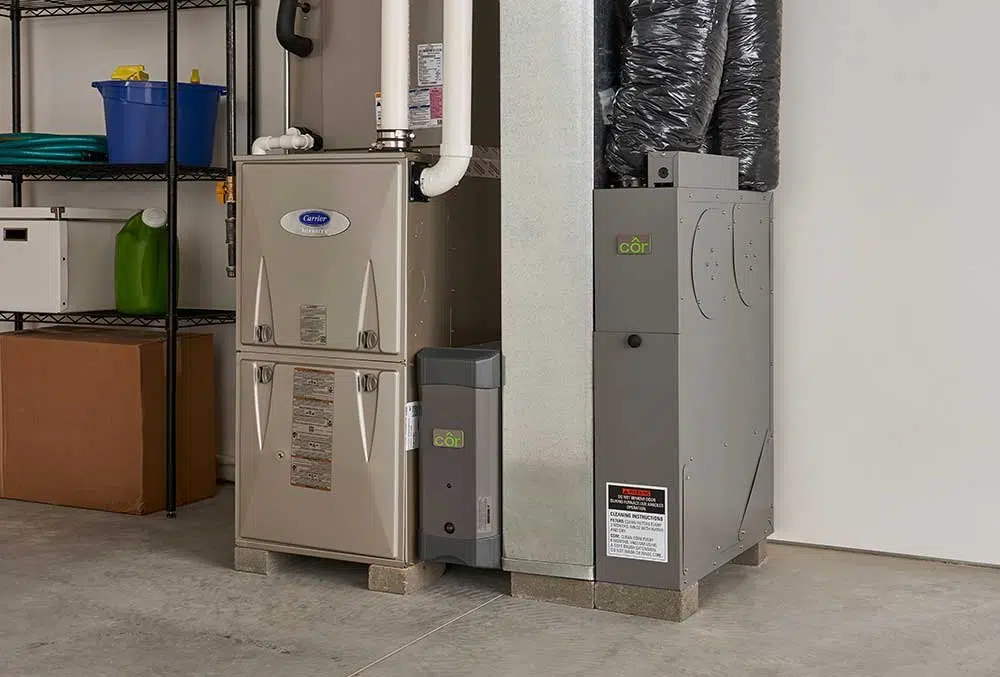
Traps dust and allergens without blocking flow. Use HVAC system-rated filters.
Checklist: Locate filter slot, note filter size, turn off power, slide out old filter, inspect for debris, insert new filter with correct orientation, restart system, and log the date. Put calendar or phone reminders to change filters or a simple whiteboard adjacent to the furnace.
Check vents every day in cold weather to make sure nothing is obstructing the return air flow. A timely filter routine maintains heat exchange efficiency and prevents the system from running longer, helping contain energy bills and wear.
Mechanical Fatigue
Are you hearing rattling, squealing, or grinding noises? These sounds typically indicate that your blower motor, belts, or bearings are wearing out, especially during extreme cold. Hard running in these conditions accelerates wear on internal components, making what might be a minor issue in mild weather turn into a major furnace failure situation under prolonged pressure.
To prevent common heating problems, head off worn components before they fail. Swap out frayed belts, rough-feeling bearings, and motors that steal power. Setting up regular furnace maintenance allows a licensed HVAC technician to catch wear early, balance the blower, and oil moving parts.
If a blower motor gets bogged down, it could lead to uneven heating, causing the furnace to short cycle or shunt heat away from certain rooms. Addressing these little issues today can sidestep costly repairs during the harsh winter weather ahead.
Sensor Failure
System Wear Sensors and controls guide safe operation. Bad flame sensors, limit switches, or thermostats cause short cycling or failure to reach set temperatures. Test thermostat and safety sensors for proper readings.
Differences between the room temperature and thermostat display usually indicate a calibration problem. Replace or clean corroded flame sensors, exchange prematurely tripping limit switches.
System wear requires calibrating sensors during routine HVAC maintenance to keep readings reliable. Sensor malfunctions may appear as rapid on/off cycles, mysterious shutdowns or inconsistent zone heating.
Stable thermostat settings, dropping by one degree can save anywhere from 1 to 3 percent on your bills, to minimize runtime and wear and to keep away from setpoint juggling that compels the system to restart too often.
Thermostat Intelligence
Thermostat settings and their location significantly influence how a heating system operates when a furnace struggles to maintain warmth during extreme cold. Understanding how your thermostat detects and responds to temperature, along with actionable upgrade and placement advice, can enhance energy efficiency and help prevent common heating problems for Minnesota homeowners.
Location Issues
To optimize your heating system’s performance, avoid placing a thermostat near a window, outside door, or direct sunlight. Such locations can lead to false high or low readings, causing the furnace to cycle inefficiently. For instance, a thermostat that detects chilly drafts through a thin curtain may run longer to reach the setpoint, while one in a sunny spot might shut off early, leaving rooms cold during extreme cold spells.
Instead, relocate thermostats to a central interior wall, ideally 1.2 to 1.5 meters above the floor, and away from kitchens, fireplaces, or heat registers. This practice enhances the chances that the sensor accurately senses the average room temperature, thus minimizing issues like uneven heating. If problems persist, check for drafts or blockages behind the wall plate or near heat sources, which can impact the sensor’s readings.
To ensure optimal performance, test the thermostat’s placement by holding a thermometer next to it for an hour while the system operates. If readings differ by more than 0.5 to 1 degree Celsius, consider relocation or shielding. Regular furnace maintenance is crucial, especially before the cold months, to prevent future furnace breakdowns and ensure efficient heating throughout the winter season.
Setting Errors
Make sure the thermostat is set to heat, not cool, and that the set point temperature is reasonable for maintaining operation. Don’t crank up the setpoint like crazy during a snap. Setting the thermostat 1 to 2 degrees Celsius higher than normal will not make your rooms heat up any faster, but it will increase runtime and wear on your furnace.
Turning back your set temperature 1 to 2 degrees Celsius when sleeping or away can save heating bills roughly 1 to 3 percent per degree while maintaining system stability. Use fan ‘auto’ setting for humidity and temperature control. Don’t run it 24/7; that’s wasting energy.
It updates its schedule after power outages or battery swaps and checks for mode changes. Constant manual adjustments turn on the furnace more often. Program and trust the schedule instead of chasing immediate warmth.
Smart Adaptation
Upgrading to a programmable or smart thermostat provides better control during cold weather conditions. These learning models adapt to your household patterns by lowering the temperature when no one is home and warming things up just as you return. Geofencing utilizes your phone’s location to automatically toggle modes, ensuring you prevent wasted heat during freezing temperatures.
Regularly scanning energy reports from the thermostat can help identify extended runtimes or unusual setbacks, allowing you to address common heating problems. It often suggests minor setpoint adjustments that enhance energy efficiency without sacrificing comfort.
Combining thermostats with other smart devices, like humidity sensors or zoned dampers, allows for synchronized control. Features like auto shutoff ensure safety, and periodic calibration from a licensed HVAC technician keeps readings accurate and reliable.
Beyond The Furnace
Whole-home factors typically decide if a furnace stays ahead in a deep freeze. Leaky ductwork, bad insulation and air leaks allow warm air to escape and cold air in, causing your furnace to run or cycle more. Blocked air is a common source of cycling issues. Clogged filters, closed or blocked vents and dusty returns will reduce airflow by thirty percent or more when filters are overdue. That increases heat-exchanger temperatures and can trip safety limits.
Arctic swings and huge day-night temperature fluctuations reveal borderline insulation and subpar duct joins, causing an otherwise sufficient furnace to labor.
Heat Stratification
Use ceiling fans on low in reverse to blow warm air down from high ceilings. This easy trick closes the temperature difference between ceiling and floor and can take the bite out of cold without cranking up the heat. Rearrange furniture. Don’t block registers and returns of the furnace with sofas, rugs, or bookshelves.
These create cold spots that never go away. Install floor level vents or registers in rooms that never seem to warm properly, particularly where ceilings are high or rooms are tall. Check temperature differentials from ceiling to floor with a small thermometer to isolate problem rooms, noting where floors stayed several degrees cooler. This indicates stratification or poor airflow.
Pressure Imbalances
Door slams or are difficult to open, check for that. That’s often a good indicator of pressure imbalance caused by unbalanced supply and return air flow. Ventilate by opening or closing supply and return vents to shift more air where you need it.
Don’t shut off too many supply vents completely, which can exacerbate imbalances. Seal duct leaks and gaps. Even small holes cause pressure loss and wasted energy and make the system work harder. For stubborn or substantial variances, employ a manometer to measure pressure and remedy major imbalances, particularly if cycling is exacerbated on windy days.
This is a canary that your pressure switch or vent termination could be the issue.
Ductwork Problems
Check ducts for leaks, disconnections, or poor insulation that waste heater output and make some rooms too hot or cold. Clean the ducts and vacuum off returns that accumulate dust and debris that restrict airflow and become a breeding ground for allergens.
They need seasonal maintenance as well as regular maintenance, which reduces cycling. Seal joints and connections with mastic or foil tape for a permanent repair, not cloth tape. Replace undersized or poorly designed ductwork following renovations.
Oversizing a furnace or modifying your building envelope, such as new windows or additional insulation, can reveal an ill-matched system prone to short cycling. Maintain three feet of clearance around your furnace and replace filters regularly. Inspect monthly and replace every 60 to 90 days to prevent efficiency degradation.
- Use ceiling fans in reverse
- Close curtains at night to reduce heat loss
- Seal gaps around doors and windows
- Set back thermostat 5–10 degrees when unoccupied
- Schedule annual HVAC inspection
Proactive Solutions
Before a cold snap, Minnesota homeowners should take action to keep their heating systems dependable and homes warm. The following sections explain practical steps: maintenance, sealing and insulation, and system upgrades with smart controls, ensuring energy efficiency during harsh winter weather.
Annual Tune-Up
Book a pro HVAC check in early fall, before the winter backlogs start and techs are booked out. A comprehensive service visit should clean burners, check the heat exchanger for cracks, test ignition and ensure that flue and venting paths are clear.
Swap your furnace filter every month through the winter. A clean filter maintains steady airflow and reduces the chance of overheating. Proactive stuff. Check vents daily during cold weather for dust, drapes or furniture blocking vents.
Replace worn parts during the tune-up: belts, bearings, and secondary heat exchangers as needed. Proactive Solutions – Test safety controls, limit switches and carbon monoxide detectors, to avoid mid-winter breakdowns and hazards.
Create a checklist for the service visit: visual inspection, combustion analysis, filter replacement, thermostat calibration, safety control tests, blower motor lubrication, condensate drain check, and vent clearance.
Include this quick checklist for reference:
- Visual inspection of entire furnace and flue
- Filter replacement and airflow test
- Combustion/efficiency reading
- Safety control and CO detector test
- Blower and belt inspection
- Thermostat calibration
Home Sealing
Seal leaks around windows and doors with caulk and weatherstripping. Install door sweeps and outlet gaskets to seal these small leaks that together sweep into big leaks over time.
Insulate the attic to R-49 or more to reduce heat loss significantly and insulate basement and crawlspace areas, preventing cold from sneaking in through the foundation. Both these steps reduce your furnace’s burden and increase comfort.
Do a blower door test to measure airtightness and identify issues. Little patches such as sealing utility penetrations and insulating around recessed lights often return their investment fast.
Do not cover vents with furniture or rugs and keep them dusted to promote even air flow and lower energy consumption.
System Upgrades
Swap out old furnaces for cold-climate high-efficiency units. Search for excessive AFUEs and sealed combustion for safety. Incorporate zoning or a programmable smart thermostat to reduce waste.
Adjusting the thermostat 1 to 3 degrees Fahrenheit can reduce heating bills by approximately 1 to 3 percent while maintaining system stability. Consider heat pumps or hybrids for backup or primary heat during the milder stretches, as some models handle low temperatures very well.
Below are example models, features, and rough price ranges with typical rebate notes:
| Model | Key features | Estimated price (USD) | Typical rebates |
|---|---|---|---|
| Cold-Ready Furnace A | 95% AFUE, sealed combustion | 2,500–4,000 | $200–$600 |
| High-Efficiency Furnace B | 98% AFUE, variable-speed blower | 3,500–5,500 | $300–$800 |
| Hybrid Heat Pump C | Heat pump + gas backup | 4,000–7,500 | $500–$1,200 |
Conclusion
Your furnace can fail to keep up during a Minnesota cold snap for obvious reasons. Old or undersized units simply don’t have the heat output. Bad insulation and air leakage allow heat to depart. Worn parts and dirty filters reduce system capacity. Plain or misset thermostats contribute chaos. Additional heat sources, such as space heaters or wood stoves, still count for short periods.
Concrete steps deliver concrete gains. Transition to a correctly sized furnace. Seal gaps and insulate walls and attics. Replace filters and service the fan and burners. Trade out a dumb thermostat for a smart one that learns your schedule and monitors outdoor temperatures. Test out zone dampers or secondary heat for dryer rooms.
Do it today and avoid a cold night. Book a pro check or take a home heat audit this week.
Frequently Asked Questions
Why does my furnace struggle during a Minnesota cold snap?
Your heating system can reach its capacity during Minnesota winters. Brutal outdoor temps can cause rapid heat loss, making it labor harder. If it’s undersized or older, it won’t keep up, so expert emergency furnace repair can help.
Can poor home insulation cause my furnace to run nonstop?
Yes. Air leaks, vermin-damaged insulation, and single-pane windows all expedite heat loss, making it essential for Minnesota homeowners to maintain their heating systems for energy efficiency during extreme cold.
Could a failing heat exchanger or blower be the problem?
Yes. Aging parts resist heat and obstruct airflow, leading to common heating problems for Minnesota homeowners. This decreases system efficiency and output, so have a licensed HVAC technician check and fix these components.
Does the thermostat affect furnace performance in cold snaps?
Yes. Your thermostat may be malfunctioning or poorly positioned, leading to inaccurate readings. Smart or programmable models can enhance energy efficiency and minimize strain on your heating system.
Will upgrading to a higher-efficiency furnace solve the problem?
Frequently, yes. Newer high-efficiency heating systems provide more heat for each unit of energy consumed, which is essential for Minnesota homeowners during extreme cold.
How do duct issues make a furnace seem weak?
Leaky or under-insulated ducts can lead to uneven heating, causing rapid heat loss before warm air reaches rooms. Compromised ducts restrict airflow, making regular furnace maintenance essential for Minnesota homeowners.
What immediate steps can I take during a cold snap?
To prevent common heating problems during Minnesota winters, seal drafts, increase insulation, and ensure vents are clear. If your furnace makes strange noises or short cycles, call a licensed HVAC technician for urgent checkups.