


When your basement stays dry, it’s easy to forget the silent guardian below—the sump pump, which drains excess water, maintains the water level, and is a key part of the drainage system protecting against flood. But when sump pump issues arise, perhaps due to a storm, they can lead to a deluge of problems like a flooded basement, turning peace of mind into high-water anxiety as drains and basement systems struggle. In this post, we’ll dive into common sump pump pitfalls, such as a flooded basement and water level issues, and how to keep your feet and foundation firmly planted in the dry zone with a reliable basement systems drainage system. Whether it’s odd noises from the depths indicating a common sump pump failure, or a motor that’s given up the ghost, understanding these challenges in the drainage system is crucial for any homeowner looking to steer clear of indoor floods and seeking solutions. So let’s get straight to the heart of what keeps your basement bone-dry, like proper drainage and a common sump, and what sends you paddling for solutions, such as sump pump failure.
Key Takeaways
- Recognize the importance of regular maintenance to prevent sump pump failures, such as clearing clogs, ensuring the unit is not overwhelmed by water inflow, and implementing drainage solutions.
- Be vigilant in identifying common issues like strange noises, vibrations, or irregular cycling, which can indicate underlying problems requiring attention.
- Implement troubleshooting steps for overwhelmed common sump pumps by checking for correct installation and adjusting the float switch as necessary.
- Address power loss scenarios by installing a backup power source, such as a battery backup or generator, to ensure continuous operation during outages.
- Take proactive steps to fix continuous operation issues by inspecting for stuck switches or improper sizing, which can lead to pump burnout if not corrected.
- Understand when to seek professional help, especially if you encounter complex electrical issues or require guidance in choosing the right sump pump for your needs.
Understanding Sump Pump Failures
Mechanical Vulnerability
Sump pumps are designed to evacuate water from basements and crawl spaces, but their mechanical nature makes them prone to wear and tear. Moving parts like the float switch and impeller can degrade, leading to sump pump failure. Regular maintenance is key for longevity, yet many homeowners overlook this crucial step. Without it, minor issues can escalate into major malfunctions.
The lifespan of a sump pump varies, typically ranging between 7 to 10 years. It’s essential to monitor its performance as it ages. Strange noises or continuous operation signal that a failure might be imminent.
Power Source Issues
A common cause for pump failure is power loss. Sump pumps rely heavily on electricity, and without it, they’re rendered useless just when they’re needed most—during heavy storms. Battery backups or generators can provide an alternative power source, ensuring continuous operation during outages.
It’s also worth noting that fluctuations in voltage can harm the pump’s motor over time. Installing a surge protector helps safeguard against such electrical anomalies.
Installation Errors
Proper installation is critical for optimal sump pump performance. Poor design choices or incorrect setup can lead to operational failures. For instance, if a sump pit is too small or the pump is not suited for the volume of water expected, it may fail under pressure.
Incorrectly installed check valves can cause the pump to cycle water back into the pit rather than out of it, increasing the risk of flooding. Ensuring that installation follows manufacturer guidelines and local building codes helps prevent these issues.
Identifying Common Issues
Overwhelmed Pumps
Sump pumps may falter during heavy rains. They’re designed to handle water but can be overwhelmed. This leads to basements flooding, causing damage to foundations and personal property. It’s crucial that homeowners assess their pump’s capacity in relation to the size of their space and local rainfall patterns.
They should also consider backup systems for extreme weather conditions. A secondary pump or a battery backup can provide an additional layer of security when primary systems fail due to excessive water intake.
Installation Errors
Proper installation is key for sump pumps. In some cases, pumps seem active but don’t move water. This is often due to improper installation or a disconnected drainage system. Homeowners need to ensure that their sump pump is correctly connected to a functioning discharge line.
Regular inspections can prevent this issue. Homeowners should check connections and test the pump periodically by pouring water into the pit to trigger the pump.
Clogged Lines
Discharge lines can become clogged or frozen, especially in colder climates. These blockages prevent water from being expelled, leading to backups and potential overflows. To avoid these problems, homeowners should keep discharge lines clear of debris and insulated against freezing temperatures.
It’s important to conduct seasonal checks of these lines for any signs of obstruction or ice formation. Clear pathways are essential for effective water expulsion and preventing damage from water buildup.
Troubleshooting Overwhelmed Pumps
Capacity Assessment
Pump capacity is crucial during heavy rainfall. Check the pump’s horsepower and compare it to the manufacturer’s specifications for water removal rates. If the pump struggles, it may be undersized for your needs. Measure the volume of water entering the sump pit during peak flow times. A simple calculation can determine if your pump’s gallons per hour (GPH) rating meets this demand.
Backup Solutions
Heavy rains test a pump’s endurance. Consider installing a battery backup system or a secondary pump to kick in when the primary one fails or is overwhelmed. This redundancy ensures continuous operation during power outages or extreme weather conditions.
Drainage Improvement
Effective drainage is key to reducing sump pump overload. Inspect gutters and downspouts; they should channel water away from your foundation. Ensure that the grading around your home slopes outward to prevent pooling near the structure. Regular maintenance of these systems helps alleviate excessive water accumulation that your sump pump must handle.
Check Valve Inspection
The check valve prevents discharged water from flowing back into the pit. A malfunctioning valve causes the pump to work double-time, shortening its lifespan and efficiency. Regularly inspect and test this valve, especially before forecasted heavy rainfalls, to ensure it operates correctly.
Clearing Clogs and Blocks
Pit Inspection
Regular inspection of the sump pump pit is crucial. It prevents clogging from dirt and debris which can impair function. Begin by unplugging the pump and removing it from the pit. Look for visible signs of debris, such as leaves or small stones, that could block the intake.
After inspecting, clean out any materials found. Use gloves to protect your hands and a bucket to collect the waste. This simple task can save you from future headaches during heavy rain or floods.
Pump Lid
Installing a lid on the sump pump pit drastically reduces clogging risks. A sturdy lid keeps out unwanted materials that might otherwise find their way into the drainage system. Ensure the lid fits snugly but also allows easy access for maintenance work.
A sealed environment also minimizes evaporation, keeping basements drier and less humid. This is not just a practical step but also an investment in maintaining a healthy home environment.
Discharge Maintenance
The discharge line plays a key role in preventing water backup and flooding. It’s vital to ensure this line remains unblocked at all times. Regular checks are necessary, especially before and after storms when materials are likely to accumulate.
One effective solution is installing an IceGuard system on the discharge pipe outside your home. It allows water to escape if the pipe freezes or gets blocked, providing an alternative exit during cold weather.
Another product, LawnScape Outlet, attaches to where your discharge line ends above ground. It helps keep water flowing away from your house without being an eyesore on your lawn.
Addressing Power Loss
Backup Necessity
Basements are often the first victims of water damage during power outages. Without electricity, primary sump pumps stop working, leaving homes vulnerable to flooding. It’s crucial to have a backup solution that kicks in during these emergencies.
Battery-operated backup sump pumps offer a line of defense against rising water levels when the main power supply fails. They ensure continuous operation, safeguarding basements from costly damages.
Maintenance Checks
Regular maintenance is key for backup systems. Homeowners should check their battery-operated backups frequently to confirm they’re operational. This practice ensures the system’s readiness for unexpected power loss.
It’s recommended to test backup pumps every few months and before storm seasons hit. A well-maintained backup pump can be the difference between a dry basement and extensive water damage repair costs.
High-Capacity Options
For larger homes or those in flood-prone areas, high-capacity backup sump pumps are advisable. These units can handle significant volumes of water, providing extra security during severe weather events that may lead to prolonged power outages.
Investing in a robust battery-operated pump can offer peace of mind, knowing your home has a strong line of defense against flooding.
Fixing Continuous Operation
Stuck Switches
Sump pumps can run non-stop due to stuck switches. Float switches get jammed, causing the pump to believe the sump pit is full. Check for obstructions that may hinder the switch’s movement. Removing debris often resolves this issue.
A continuous water inflow also triggers perpetual operation. Water entering the sump pit faster than the pump can remove it creates a cycle of relentless running. Inspect for sources of excessive water and rectify them.
Float Adjustments
Adjusting float switches is crucial for proper pump function. The switch must be set high enough to activate the pump at the right water level but low enough to prevent motor burnout from overwork. Proper sump pit water levels are maintained by correct float switch positioning.
If adjustments don’t stop constant running, check if the float is damaged or has lost buoyancy. Replace faulty floats immediately to ensure efficient operation.
Circuit Breaker Checks
Frequent inspections of your circuit breaker can prevent sump pump overuse. A tripped circuit breaker may indicate electrical issues contributing to continuous operation. Resetting it might solve temporary glitches, but recurring trips signal deeper problems requiring professional attention.
Professional Consultation
etimes, DIY fixes won’t cut it. Persistent issues with continuous operation often point to complex underlying problems. Consulting with professionals ensures a thorough assessment and repair of intricate components like wiring or internal mechanisms.
Professionals can also advise on whether repairing or replacing your sump pump is more cost-effective in the long run.
Preventive Measures for Reliability
Regular Maintenance
Routine checks safeguard sump pumps from unexpected breakdowns. Homeowners should inspect their sump pump system every three to four months. This involves cleaning the pump inlet screen and checking the power cord. They must ensure the float switch moves freely and isn’t hindered by debris. These actions prevent malfunctions that could lead to continuous operation, as discussed earlier.
Testing the pump by pouring water into the pit is crucial. It confirms if the pump activates and deactivates correctly. If issues arise during these checks, prompt repairs are necessary to maintain reliability.
Water Alarms
Installing water alarms adds an extra layer of protection against flooding. These devices alert homeowners when water levels rise too high, which can indicate a failing sump pump or other issues in the basement waterproofing system. Early detection allows for timely intervention, potentially avoiding extensive water damage.
Water alarms should be placed near the sump pit and in areas prone to leaks. Regularly test these alarms to ensure they function properly when needed.
Backup Systems
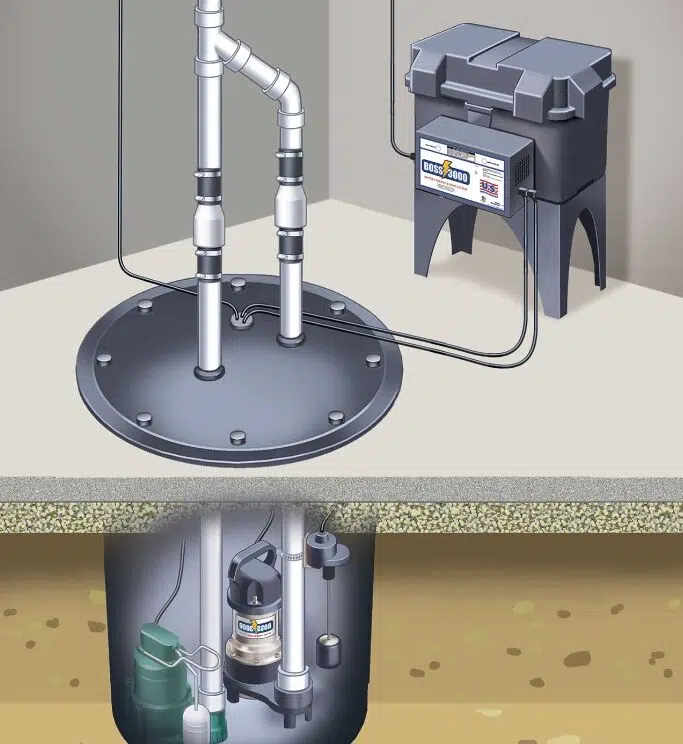
Backup systems are essential for uninterrupted operation during power outages or primary pump failures. There are two main types: battery-operated backups and water-powered backups. Battery backups keep working during electricity cuts, while water-powered systems use your home’s water pressure as an alternative power source.
It’s wise to install a backup system compatible with your existing sump pump setup. This integration ensures seamless transition if the main pump fails, offering peace of mind during heavy rains or electrical interruptions.
Drainage Review
Periodic evaluations of discharge lines prevent blockages that can lead to overflow or backflow issues. Homeowners should check these lines for freezing during winter months or clogs from debris year-round. Ensuring proper grading around the house also directs water away from the foundation, reducing strain on the sump pump system.
Drainage systems should divert water at least 10 feet from your home’s foundation. This distance helps prevent recycled water that could overload your sump pump and cause flooding.
Choosing the Right Sump Pump
Capacity Considerations
A sump pump’s capacity is crucial for keeping your basement dry. It must match the water volume your space could collect. Pumps are rated by gallons per minute (GPM) they can handle. For a common sump pit, a pump with at least a 35 GPM capacity is standard. However, areas prone to heavy rainfall may need more powerful systems.
Measure your sump pit’s dimensions and calculate the volume of water it collects during heavy rains. This helps determine the necessary capacity. Experts recommend adding a 10% buffer to this figure, ensuring extra protection during unexpected downpours.
Material Matters
Sump pumps made from cast iron offer superior durability compared to their plastic counterparts. Cast iron dissipates heat more effectively, extending the life of the pump. Investing in high-quality materials pays off in longevity and reliability.
Plastic pumps might be cheaper initially, but they often fail sooner under stress. A flooded basement can cost far more than the price difference between pump materials. In harsh environments, cast iron is less likely to crack or warp, safeguarding against water damage.
Professional Insights
Consulting with experts ensures you make an informed decision about your sump pump selection. Professionals assess your basement’s specific needs, considering factors like the size of your sump pit and typical water levels during storms.
They can also suggest features like battery backup systems or WiFi-enabled alerts for added security. Basement systems specialists understand local weather patterns and groundwater levels—knowledge that’s invaluable when choosing a pump.
A professional can also advise on proper maintenance routines following installation, which ties back to the preventive measures discussed earlier. Regular check-ups prevent small issues from becoming big problems.
When to Seek Professional Help
Persistent Failures
If your sump pump repeatedly malfunctions despite troubleshooting, it’s time to seek help. A professional can diagnose underlying issues that aren’t immediately apparent. They have the tools and expertise to fix complex problems, ensuring your basement remains dry.
Persistent failures often indicate a deeper problem that DIY fixes can’t solve. Professionals will inspect for electrical issues, motor defects, or improper installation that may cause persistent breakdowns.
Installation Challenges
Installing a sump pump involves precise steps and knowledge of plumbing systems. If you’re unsure about the process, contact an expert. Improper installation can lead to significant property damage and safety hazards.
Experts ensure correct placement, piping alignment, and secure electrical connections. They also advise on the right model for your home’s specific needs. This is crucial after choosing the right sump pump in the previous section.
Upgrades and Replacements
When upgrading or replacing your sump pump, professional guidance is invaluable. An expert can recommend the best system based on your home’s layout and water management needs. They ensure your investment is sound by selecting a unit with adequate power and features for your situation.
A professional installer will also guarantee that the new system integrates seamlessly with your existing plumbing. This prevents issues such as backflow or inadequate drainage capacity.
Continuous Operation
A sump pump running non-stop signals a problem that requires immediate attention. Professionals assess whether it’s an issue with the float switch, a continuously high water table, or a faulty check valve.
Continuous operation not only wears out the pump but could also point to bigger waterproofing concerns. Expert intervention prevents long-term damage and costly repairs down the line.
Severe Clogging
Sump pumps can become clogged with debris, affecting their efficiency. If routine cleaning doesn’t resolve this, you need professional help. Experts handle severe blockages without damaging the unit and suggest preventive measures for future maintenance.
Severe clogs often require specialized tools to remove without causing further issues to the system’s components.
Summary
Navigating sump pump troubles can feel like sailing through a storm, but with the insights you’ve gained, you’re now the captain of your ship. You’ve learned the ropes—from understanding failures to proactive measures—ensuring your sump pump remains a steadfast guardian against water damage. Whether you’re clearing a stubborn clog, solving power woes, or choosing a new pump, your toolkit is brimming with solutions.
Don’t let the next downpour catch you off guard. Regular check-ups and maintenance can save you from a sea of headaches later. And if the waters get choppy, remember that professional help is just an SOS away. Ready to dive deeper into home maintenance? Keep exploring and stay dry out there! Your peace of mind is worth its weight in gold.
Frequently Asked Questions
Why does my sump pump keep failing?
Sump pumps can fail due to power outages, clogs, continuous operation, or mechanical issues. It’s like your fridge going kaput because it’s overworked or unplugged.
What are the common signs of sump pump problems?
Common signs include strange noises, constant running, or water not being ejected properly. Think of it as your car sputtering—it’s a cry for help.
How can I fix a sump pump that is always running?
A continuously running pump may be stuck in the “on” position or have a float switch issue. It’s like having a light switch that won’t flip off—you’ll need to adjust or replace it.
Can I clear a clogged sump pump by myself?
Yes, you can often clear simple clogs by removing debris from the screen or impeller. Imagine unclogging your shower drain; it’s a similar process but with more caution involved.
What should I do if my sump pump loses power?
If there’s a power loss, check the circuit breaker and ensure the unit is plugged in. It’s akin to checking if your lamp is unplugged when it won’t turn on.
When should preventive maintenance be done on my sump pump?
Perform preventive maintenance annually or before heavy rain seasons. Think of it like winterizing your car before snow hits—it’s all about being prepared.
At what point should I call a professional for my sump pump issues?
Call a pro when you face complex issues like motor malfunctions or installation errors. It’s like bringing in an electrician when the lights flicker—it’s safer and smarter.