


Spring floods can wreak havoc on your Minnesota home. Sump pump maintenance, along with drain services, is crucial to prevent water damage and keep your basement dry during heavy rain storms and maintain proper air quality. Regular checks ensure your sump pump operates smoothly in your home basement when you need it most, preventing many basement floods and serious flooding damage, along with necessary drain services. A well-maintained system, including involved sump pump maintenance and drain services, can save you from costly repairs and headaches down the line, especially with a backup sump pump or new sump pump.
Ignoring maintenance could lead to a malfunction, such as sump pump failure, leaving your home vulnerable during heavy rains without a new sump pump or a primary pump like a submersible pump. Simple tasks like cleaning the pump in your home basement and testing its functionality go a long way in protecting your property. Don’t wait until the floodwaters rise due to sump pump failure; take action now with a primary pump to safeguard your home.
Key Takeaways
- Regular maintenance of your sump pump is essential to prevent flooding in your Minnesota home during spring. Schedule quarterly checkups to ensure it operates effectively.
- Understand the role of your sump pump in protecting your home from water damage. Familiarize yourself with how it works and its components.
- Consider installing a backup battery system for your sump pump. This ensures it continues to function during power outages, which are common in spring storms, preventing sump pump failure.
- Take advantage of professional maintenance services for thorough inspections and repairs. They can identify issues you might miss and provide peace of mind.
- Always prioritize safety when performing sump pump maintenance. Disconnect the power before working on the unit to avoid electrical hazards.
- Keep an eye on local weather forecasts and be proactive. Prepare your sump pump before heavy rains to reduce the risk of flooding.
Understanding Sump Pumps
Definition
A sump pump is a device that removes water from a sump pit. It helps prevent flooding in basements and crawl spaces. The primary function is to keep these areas dry. This is especially important during heavy rain or snowmelt.
Components
A sump pump system has several key components. First, there is the sump pit. This is where water collects. The pump sits inside this pit.
Next, the pump itself can be either a submersible or pedestal model. Submersible pumps are designed to be submerged in water. They are quieter and more efficient for larger volumes of water. Pedestal pumps, on the other hand, have their motor above the pit. They are easier to access for maintenance but can be noisier.
Another important part is the discharge pipe. This pipe carries the water away from your home. A check valve in this pipe prevents backflow into the sump pit.
Types of Sump Pumps
There are two main types of sump pumps: submersible and pedestal.
Submersible sump pumps are placed directly in the water. They work well for homes with high water tables. These pumps can handle large amounts of water quickly. They also tend to last longer because they are protected from debris and damage.
Pedestal sump pumps sit above the sump pit. Their design makes them easier to clean and repair. However, they may not handle as much water as submersible models. They are often less expensive, making them a popular choice for smaller homes.
Common Issues
Sump pump issues can arise if regular maintenance is neglected. Some common problems include clogs, power failures, and mechanical failures. Clogs happen when debris builds up in the pit or discharge pipe. Power failures can occur during storms, leaving your home vulnerable to flooding.
Regular checks on your sump pump can help prevent these issues. Testing the pump monthly ensures it works properly when needed most.
Installation Considerations
Sump pump installation requires careful planning. Homeowners should consider factors like location and capacity before installation. A professional can help determine the best type of pump for specific needs.
Choosing the right sump pump model can make a difference in flood protection. Researching different sump pump types will help find one that fits your home’s requirements.
How Sump Pumps Protect Your Home
Water Diversion
Sump pumps play a crucial role in diverting water away from your home’s foundation. They are typically installed in the lowest part of a basement or crawl space. When water accumulates, the pump activates automatically. It then removes excess water through pump pipes to a designated drainage area outside the home.
This action helps prevent basement floods and flooding issues. Without a sump pump, heavy rainstorms can lead to serious flooding damage. Water can seep into your basement, causing significant harm to your property and belongings.
Heavy Rainstorms
During heavy rainstorms, sump pumps become vital. They work tirelessly to manage water backup that occurs when the ground is saturated. If the water level rises too high, the pump kicks in. It keeps your basement dry and protects against flooded basements.
Many homeowners face problems during spring when rain is frequent. The increased rainfall can overwhelm drainage systems. Sump pumps provide an effective solution by removing excess water quickly.
Homes Below Water Table
Having a sump pump is especially important for homes below the water table. These homes are at higher risk for basement flooding due to groundwater pressure. During periods of heavy rain, the risk increases significantly.
Without a sump pump, homeowners may experience flooded basements more often. This can lead to extensive flood damage and costly repairs. A sump pump helps manage this risk effectively.
Regular maintenance of these pumps is essential for optimal performance. Homeowners should check their pumps periodically to ensure they function correctly. This includes cleaning the pump and checking for any blockages in the discharge pipes.
Benefits of Sump Pumps
Flood Prevention
Sump pumps play a vital role in preventing basement flooding. They remove excess water from the sump pit before it can overflow. This action protects your home from potential water damage. In Minnesota, heavy spring rains can lead to rapid water accumulation. A reliable sump pump can help mitigate this risk effectively.
Water damage can lead to costly repairs. The longer water sits, the more damage it causes. Mold growth can start within 24 to 48 hours after water exposure. Sump pumps significantly reduce this risk by keeping your basement dry.
Humidity Control
Dampness and humidity levels often rise in basements. High humidity can create an uncomfortable living environment. Sump pumps help maintain ideal moisture levels in your home. By removing standing water, they prevent damp conditions that encourage mold growth.
A pedestal sump pump is particularly effective in controlling humidity. It operates efficiently in small spaces, making it ideal for many basements. These pumps draw out moisture quickly, helping to keep your home comfortable and healthy.
Mold Prevention
Mold and mildew thrive in wet environments. They can pose serious health risks to residents. Sump pumps help eliminate conditions that foster these harmful substances. By keeping the basement dry, they reduce the likelihood of mold growth.
Regular maintenance of your sump pump is crucial for effectiveness. Homeowners should check their sump basin and ensure proper functioning of the pump. This includes cleaning the sump pit regularly to remove debris and dirt.
Testing the pump periodically ensures it will work when needed most. Homeowners should run the pump manually to confirm its operation. This simple step can save you from a flooded basement during heavy rain.
Energy Efficiency
Sump pumps also contribute to energy efficiency in homes. A dry basement helps regulate temperature better. This can lower heating and cooling costs throughout the year. Homes with high humidity often require more energy for climate control.
Investing in a quality sump pump is wise for any homeowner in Minnesota. It not only prevents flooding but also improves overall air quality within the home. A well-maintained sump pump system provides peace of mind during stormy weather.
Spring Sump Pump Care
Check for Debris
Sump pump maintenance starts with a thorough check for debris. Leaves, dirt, and other materials can block the pump’s operation. Inspect the sump pit closely. Remove any visible debris to ensure the pump functions properly. A clean pit allows water to flow freely.
Regularly cleaning the pit is essential. Schedule this task at least once a month during spring. This simple spring sump pump maintenance step can prevent future issues. Blockages can lead to pump failure when you need it most.
Test the Pump
Testing the sump pump is crucial for effective pump maintenance. Pouring water into the pit is an easy way to do this. Use a bucket of water and slowly pour it in. Watch as the pump activates and removes the water.
If the pump does not start, there may be a problem. Check the power source and connections first. Ensure the outlet works and that cords are intact. This test should be done at least twice during spring to confirm reliable operation.
Inspect Discharge Pipe
The discharge pipe plays a key role in moving water away from your home. Inspect it for any signs of damage or clogs. Look for cracks, leaks, or bends that could affect performance.
A blocked discharge pipe can cause water to back up into your home. This situation can lead to flooding and significant damage. Clear any obstructions you find in the pipe immediately.
Proper maintenance of the discharge system is part of a good sump pump maintenance schedule. Regular checks will help catch problems early.
Seasonal Adjustments
Adjustments may be necessary as seasons change. For example, ensure that winter weather did not damage any components of your sump pump system. Ice can cause pipes to crack or break.
Consider installing a backup battery system if you haven’t already done so. Power outages during storms are common in springtime. A battery backup ensures your sump pump operates even without electricity.
Professional Help
etimes, calling a professional is wise. If you notice persistent issues despite performing regular maintenance, seek expert help. Professionals can provide deeper inspections and repairs.
They can also offer guidance on best practices for maintaining your sump pump throughout the year.
Quarterly Sump Pump Checkup
Power Source
Regular inspection of the pump’s power source is essential. Check the electrical connections for any signs of wear or damage. Ensure that the power cord is securely plugged in and not frayed. A loose connection can lead to pump failure during critical times.
Make sure the circuit breaker is functioning properly. If it trips frequently, it may indicate an underlying issue. Address these problems promptly to avoid losing power when you need it most.
Clean Sump Pit
Cleaning the sump pit should be part of your quarterly maintenance routine. Remove any accumulated debris like dirt, leaves, or sediment. This buildup can clog the pump line and hinder performance.
Use a wet/dry vacuum or a bucket to clear out the pit effectively. After removing debris, rinse the pit with water to ensure it’s clean. A clean sump pit helps the pump operate efficiently and reduces the risk of flooding.
Float Switch Check
Checking the float switch is vital for proper operation. The float switch activates the pump when water levels rise. If it gets stuck, the pump may not turn on when needed.
Test the float switch by lifting it manually. The pump should start running if everything is working correctly. If it does not activate, inspect for blockages or mechanical issues. Replacing a faulty float switch can prevent potential flooding problems.
Inspect Pump Line
Inspecting the pump line is another important step in maintenance. Look for any signs of leaks or cracks along the line. Even small leaks can lead to significant water loss and reduced efficiency.
Check for clogs as well. Any blockage will prevent water from being discharged properly. Clear away any debris or build-up that might obstruct flow.
Schedule Professional Service
Consider scheduling professional service at least once a year. Experts can provide thorough inspections and address issues you may overlook. They can also recommend upgrades to improve efficiency.
Regular maintenance ensures your sump pump operates effectively when spring floods occur. Keeping up with these tasks protects your home from water damage.
Annual Sump Pump Checkup
Professional Inspection
Annual sump pump maintenance is crucial for homeowners. A professional should inspect and service the sump pump each year. This ensures that all components function properly. Technicians can identify potential issues before they become serious problems. They check the primary pump, backup pump, and other key parts. Regular inspections help prevent sump pump failure, especially during the spring flooding season.
Signs of Wear
Homeowners should look for signs of wear on their sump pumps. If the pump runs constantly or makes unusual noises, it may be time for a replacement. An old or inefficient pump can lead to awful flooding in your basement. Replacing a worn-out sump pump can save money in the long run. It also protects your home from water damage.
Testing Backup Systems
Testing the backup battery system is essential during the annual checkup. A reliable backup system can keep the pump running during power outages. Heavy rain often causes power failures, which puts homes at risk. Homeowners should ensure that the backup battery is charged and functioning well. If it shows signs of weakness, consider replacing it immediately.
Extension Hose Maintenance
Check the sump pump extension hose as part of your annual maintenance. The hose directs water away from your foundation. If it’s clogged or damaged, it won’t work effectively. This can lead to water pooling around your home, increasing flood risks. Clear any debris from the hose to maintain proper drainage.
Automatic Pumps
Automatic pumps provide convenience and peace of mind. They activate when water levels rise without manual intervention. During the spring flooding season, these systems are particularly useful. Homeowners should confirm that their automatic pump is working correctly during the annual checkup.
Drain Services
Consider scheduling drain services alongside your sump pump maintenance. Clogged drains can cause water to back up into your home. Regular cleaning helps prevent this issue and complements sump pump efforts. It’s important to keep both systems in good shape.
Repair Options
If you notice issues during your inspection, consider sump pump repairs immediately. Delaying repairs can lead to more extensive damage later on. Addressing small problems quickly can save time and money.
Importance of Backup Battery Systems
Power Outages
Power outages can occur suddenly. Storms, heavy rains, and high winds often cause them. In Minnesota, spring floods can lead to significant power interruptions. These outages can last for hours or even days. Without power, sump pumps cannot operate. This situation can lead to water accumulation in basements. A backup battery system is essential for these emergencies.
Continuous Operation
A backup battery system ensures that your sump pump runs continuously during storms. It provides power when the main supply is interrupted. This feature is especially crucial in areas prone to flooding. For instance, during a severe storm in 2020, many homes experienced flooding due to power loss. Homes equipped with battery backups avoided this issue. They kept their sump pumps running and protected their properties from water damage.
Reliability Investment
Investing in a high-quality battery backup is vital for reliability. Not all battery systems are created equal. Some systems provide only limited power for short periods. Others offer extended run times and higher capacity. Look for batteries designed specifically for sump pumps. They should have features like automatic charging and easy installation.
Consider reputable brands that offer warranties and customer support. A reliable system can save homeowners from expensive repairs and damage caused by flooding.
Maintenance of Backup Systems
Like sump pumps, backup battery systems also require maintenance. Regular checks ensure they function correctly when needed. Inspect the battery at least once a year. Look for signs of wear or corrosion on terminals. Replace batteries every three to five years as recommended by manufacturers.
Cost-Effectiveness
The cost of a backup battery system may seem high initially. However, it is an investment in your home’s safety. The average cost of water damage repair can reach thousands of dollars. A backup system prevents this expense by keeping your basement dry during storms.
Local Regulations
e areas have local regulations regarding sump pump installations and battery backups. Check with local authorities before purchasing a system. Compliance with these regulations ensures safety and effectiveness.
Professional Maintenance Tips
Schedule Maintenance
Regular maintenance is crucial for your sump pump. Scheduling visits with a professional plumber helps ensure everything operates correctly. Experts can check for clogs, leaks, or signs of wear. They will also test the pump’s functionality to confirm it works when needed.
Spring floods can cause significant damage. Having a professional inspect your system before the rainy season can prevent issues. Aim for at least one inspection each year. This proactive approach saves money in the long run and protects your home.
Keep Records
Keeping detailed records of all maintenance and inspections is important. Write down dates, services performed, and any parts replaced. This documentation helps track the pump’s history and performance over time.
If you ever need to sell your home, these records can be valuable. Potential buyers appreciate knowing that the sump pump has been well-maintained. It gives them confidence in the system’s reliability.
Ask About Upgrades
Discussing upgrades with professionals can enhance your sump pump system. Ask about newer models that offer better efficiency or features. For example, some pumps now include smart technology that alerts homeowners about issues via smartphone.
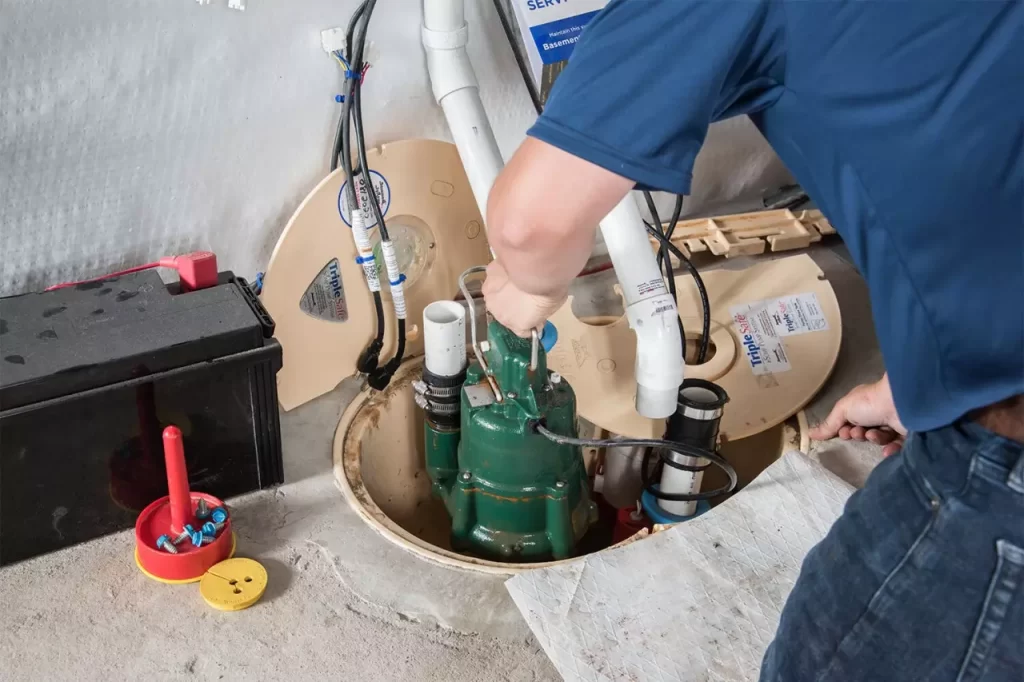
Improvements may also involve adding backup systems or battery backups. These upgrades ensure your home remains protected during power outages or heavy rains. Investing in quality equipment increases the lifespan of your sump pump.
Consider Local Services
Finding reliable local services for sump pump maintenance is essential. Look for companies with good reviews and experience in your area. They understand Minnesota’s unique climate challenges and how they affect sump pumps.
Professional services often provide warranties on their work. This added protection gives peace of mind knowing that if something goes wrong, it will be addressed without extra costs.
Understand System Needs
Every home’s sump pump needs vary based on its specific conditions. Factors like basement size, soil type, and water table levels play a role in determining what maintenance is necessary.
Consulting with professionals ensures you receive tailored advice for your situation. They can recommend specific maintenance tasks based on your home’s needs.
Safety Precautions
Unplug Pump
Unplugging the sump pump is crucial before starting any maintenance. This step prevents electrical shocks during the process. Water and electricity can be a dangerous mix. Flooding from heavy rain can cause water to accumulate around the pump.
When working on your sump pump, ensure that it is completely disconnected from power sources. This simple action protects you from potential harm. It also helps avoid damage to the pump itself.
Wear Protective Gear
Wearing protective gear is essential for safety during maintenance tasks. Rubber gloves protect your hands from water and debris. Waterproof boots keep your feet dry in case of spills. Safety goggles shield your eyes from splashes.
Heavy rain can lead to unexpected issues with the sump pump. You may encounter mold or sharp objects when inspecting the area. Proper gear minimizes these risks. Always prioritize personal safety while handling equipment.
Dry Area
Ensuring the area around the sump pump is dry is vital. Wet surfaces increase the risk of slipping and falling. They also create an environment for electrical hazards. Water pooling near electrical outlets or cords can lead to severe accidents.
Check for leaks or excess water around the sump pit regularly. If there’s standing water, address it before starting any work. Use towels or a wet/dry vacuum to clean up any moisture. Keeping the area dry promotes a safer work environment.
Inspect Components
Inspecting all components of the sump pump system is necessary for maintaining its effectiveness. Look for signs of wear, such as cracks in pipes or loose connections. These issues can lead to flooding if not addressed promptly.
Regular inspections help identify problems early. This proactive approach reduces the risk of significant damage during heavy rain events. Replace worn parts immediately to ensure proper function.
Test Operation
Testing the operation of your sump pump should be part of regular maintenance checks. Pour water into the sump pit to see if the pump activates correctly. It should turn on automatically when water levels rise.
If it doesn’t work as expected, check for clogs or mechanical failures. Addressing these issues quickly can prevent flooding and costly repairs later on.
Seasonal Adjustments
Seasonal adjustments are important for effective sump pump operation throughout the year. Before spring, inspect and clean your system thoroughly. Heavy rain in Minnesota can cause significant flooding if pumps are not ready.
Adjust settings based on seasonal weather patterns to optimize performance. Ensure that discharge lines are clear of ice and debris before winter ends.
Pensamientos Finales
Sump pump maintenance is crucial for protecting your home from spring floods. Regular checkups and battery backups ensure your sump pump works when you need it most. You’ve learned about the benefits, care tips, and safety precautions. Now, you have the tools to keep your home safe and dry.
Don’t wait until it’s too late! Schedule your sump pump maintenance today. A proactive approach can save you from costly repairs and headaches down the road. Remember, a little effort now goes a long way in safeguarding your home. Take action and ensure your peace of mind this spring!
Frequently Asked Questions
What is a sump pump?
A sump pump is a device installed in basements or crawl spaces to remove accumulated water. It helps prevent flooding by directing excess water away from your home.
How often should I check my sump pump?
You should check your sump pump quarterly. Regular checks ensure it operates efficiently, especially before the spring flood season.
What are the signs of a failing sump pump?
Signs include unusual noises, frequent cycling, and water accumulation in the sump pit. If you notice these issues, consider professional maintenance.
Why is a backup battery system important?
A backup battery system ensures your sump pump operates during power outages. This feature is crucial for maintaining protection against flooding when you need it most.
Can I perform maintenance on my sump pump myself?
Yes, you can perform basic maintenance like cleaning the sump pit and testing the pump. However, for complex issues, it’s best to consult a professional.
How do I prepare my sump pump for spring?
Clear debris from the sump pit and test the pump’s operation. Ensure discharge lines are free of blockages to prevent flooding during heavy rains.
What safety precautions should I take when maintaining my sump pump?
Always unplug the pump before servicing it. Wear gloves and goggles to protect yourself from debris and potential electrical hazards while working.