


In the quest for optimal home climate control, smart HVAC vents have emerged as game-changers, allowing individual rooms in a house to reach target temperatures through iOS-controlled adjustments. These high-tech HVAC ceiling vents offer precision in regulating temperature for individual rooms, tailoring comfort to target temperatures and slashing energy bills. Long gone are the days of manual adjustments and one-temperature-fits-all settings in HVAC systems, with individual rooms now having tailored controls from an iOS interface on the HVAC ceiling. Today’s smart homes, with iOS compatibility, thrive on connectivity and customization; smart HVAC vents are at the forefront, learning from your habits to create a living space that adapts to individual rooms and your needs seamlessly. They’re not just about personal comfort, but also about efficiency and sustainability – a nod to the environmental consciousness of our times, including hvac ceiling systems.
Key Takeaways
- Smart HVAC vents offer personalized climate control, allowing for room-by-room temperature adjustments which can lead to increased comfort and energy efficiency.
- Integrating smart vents into your existing HVAC system can be a cost-effective way to upgrade to smart climate control without the need for a full system overhaul.
- Most smart vents, including those for hvac ceiling systems, are designed for easy DIY installation, so you can set them up yourself with minimal tools and technical know-how.
- Compatibility is key; ensure that the smart vents you choose are compatible with your current HVAC setup, including mini-splits, window ACs, or portable units to avoid integration issues.
- For homes with non-traditional heating and cooling systems, smart vents may still offer a viable solution, as some models are designed to work with mini-splits, window ACs, and portable units.
- When encountering issues with smart vents, refer to troubleshooting guides and support resources provided by manufacturers to resolve common problems effectively.
Understanding Smart Vents
Smart Operation
Smart vents revolutionize home heating and cooling. They adjust airflow dynamically, responding to individual room temperature preferences. Users set these preferences through a smartphone app, tailoring the environment of each space. The vents open or close accordingly, promoting personalized comfort without manual adjustment.
They’re designed for efficiency. By selectively directing air, they reduce energy consumption in seldom-used areas. This targeted approach means living spaces are heated or cooled based on actual use, not just a central thermostat reading.
Sensor Integration
Embedded sensors are the brains behind smart vents. These sensors constantly monitor room conditions, including temperature and air quality. They feed this data back to the system, ensuring the HVAC operates at peak performance.
The sensors can detect when a room reaches the desired temperature and signal the vent to close. This prevents over-heating or cooling, contributing to energy savings and prolonging HVAC system life.
Wireless Communication
Wireless technology is key in smart vent systems. It allows vents to communicate with each other and create a cohesive climate control strategy across your home.
This networked setup ensures that no single vent overcompensates for another’s closure, maintaining an even distribution of air. It’s about creating balance – a harmonious environment where every room feels just right.
By sharing information, these vents can also identify patterns in your heating and cooling needs, adjusting their behavior for optimal comfort and efficiency over time.
Environmental Harmony
Smart vents contribute to a balanced home environment by addressing individual room needs. If one room is sunlit and warm while another is shaded and cool, smart vents will adjust air delivery accordingly.
This results in an evenly heated or cooled home without hot or cold spots – a true mark of sophisticated environmental harmony.
User Control
At their core, smart vents offer unprecedented user control. With intuitive apps, residents have direct influence over their home’s climate from anywhere at any time.
Adjustments can be made on-the-fly – for sudden weather changes or unexpected guests – ensuring every corner of your home is welcoming.
Benefits of Smart Climate Control
Energy Savings
Smart HVAC vents allow homeowners to optimize energy usage by controlling air flow to different rooms. This technology can reduce heating and cooling in areas that are not in use, leading to significant cost savings. For instance, during the winter, a smart vent system can direct heat away from an empty guest room, focusing on living spaces instead. Over time, this targeted approach can lower utility bills, as it minimizes wasted energy.
Personalized Comfort
With smart climate control, each room’s temperature can be tailored to individual preferences. This ensures that every family member enjoys their ideal comfort level without affecting others. It also eliminates the need for bulky portable heaters or fans in rooms that are too cold or hot. The result is a more harmonious home environment where everyone feels comfortable in their own space.
Environmental Impact
Using smart vents contributes positively to the environment by reducing overall energy consumption. Optimizing HVAC systems means less fossil fuel is burned for electricity generation, which leads to lower greenhouse gas emissions. As households adopt these technologies, they play a part in combating climate change and promoting a healthier planet.
DIY Installation Basics
Step-by-Step Guide
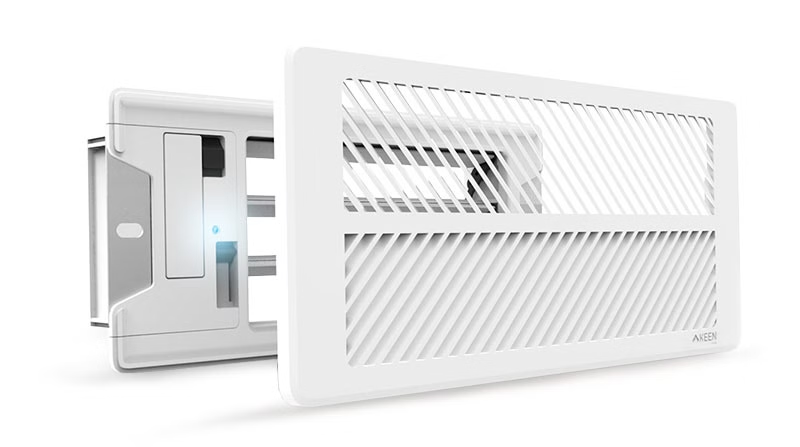
Smart HVAC vents offer personalized climate control and energy efficiency. Installing them yourself can be straightforward with the right steps. First, turn off your HVAC system to ensure safety. Next, remove the old vent cover and clean the duct opening. Position your smart vent in place, making sure it’s flush against the duct opening. Secure it with screws if necessary, but often they’re designed to fit snugly without additional hardware.
Technical Requirements
To operate smart vents, a high-speed internet connection is essential. They require this to receive updates and communicate with your home network. You’ll need a compatible mobile device for initial setup and ongoing adjustments. Ensure your smartphone or tablet can download the necessary app to control the vents.
Compatibility Check
Before purchasing smart vents, verify they’re compatible with your existing HVAC system. Some models may not work with certain types of heating and cooling units. Also, check that your home’s Wi-Fi signal is strong enough where the vents will be installed; this ensures reliable vent-to-vent communication.
Battery Installation
Most smart vents are battery-operated. When installing, open the battery compartment typically located on the side or back of the vent unit. Insert fresh batteries as directed – usually AA or AAA size – and close the compartment securely.
Successful Setup Tips
For a successful installation, follow these tips:
- Read through all instructions before starting.
- Have all tools ready – like screwdrivers and batteries.
- Update your home Wi-Fi network for optimal performance.
Remember to test each smart vent after installation by turning on your HVAC system and using the mobile app to adjust settings.
Compatibility with HVAC Systems
System Types
Smart HVAC vents enhance home climate control. Forced air systems are ideal for these upgrades. These include most modern heating and cooling setups, where air is pushed through ducts by a blower. Compatible systems often feature central air conditioning or furnace-based heating.
Older homes might have boilers or radiators. Here, smart vents are less effective as these systems don’t use standard ductwork. Homeowners should verify their system type before investing in smart vent technology.
Smart Hubs
Full functionality of smart vents requires a compatible hub. This acts as the brain of the system, enabling remote control and automation. Popular choices include the Keen Home Smart Bridge, Lowe’s Iris Smart Hub, and SmartThings Hub.
Each hub offers different features but all allow users to set rules for temperature adjustments based on time or room occupancy. Without these hubs, smart vents can’t reach their full potential, limiting convenience and energy savings.
Misconceptions
Many believe older HVAC models can’t integrate with smart vents. This isn’t always true. While it’s crucial to consult a professional, many pre-existing systems can be retrofitted. Homeowners should not dismiss the benefits of smart vents due to the age of their HVAC unit without proper assessment.
Misunderstandings also arise around installation complexity after DIY basics are covered in earlier sections. Although self-installation is possible, compatibility checks remain essential to ensure the new tech works seamlessly with existing infrastructure.
Smart Vents and Mini Splits
Integration Challenges
Smart vents offer the ability to control airflow and maintain target temperatures in individual rooms. However, their integration with mini-split systems isn’t straightforward. Mini-splits control temperature by varying the speed of the compressor rather than regulating air through vents. This discrepancy can lead to conflicts in how both systems manage room temperatures.
Mini-splits lack ductwork, which smart vents rely on to direct airflow. When smart vents shut off airflow to a room, a mini-split may continue working inefficiently, trying to reach a set temperature that’s now unachievable due to blocked vents. This can cause increased wear on the mini-split system and negate potential energy savings.
Alternative Solutions
For those with mini-split systems seeking smart climate control, alternative solutions exist. One option is installing smart thermostats designed for mini-splits. These can learn your preferences and adjust settings for optimal comfort and energy efficiency without conflicting with the system’s operation.
Another workaround is using portable sensors that monitor temperatures in different rooms. They communicate with the mini-split to adjust cooling or heating as needed. These sensors ensure each room reaches its target temperature without interfering with the overall system’s mechanics.
Professional Consultation
Before attempting any integration, it’s crucial to consult HVAC professionals. They understand the complexities of both smart vents and mini-split systems and can provide tailored advice. A professional can assess whether smart vent technology can complement your existing setup without causing damage or inefficiency.
They might recommend specific brands or models of smart vents that work better with mini-split systems or advise against such integration altogether if it could harm your home’s climate control capabilities.
Integrating with Window ACs
Compatibility Check
Smart HVAC vents offer a revolution in climate control, but their integration with window AC units requires careful consideration. Homeowners must verify that their smart vent system is compatible with the specific model of window air conditioner they own. This involves checking for communication protocols and ensuring that both devices can be linked to a common smart home hub.
They should also assess the size and capacity of their window AC unit. It’s crucial because a mismatch could lead to inefficiency or even damage to the system. Some manufacturers provide compatibility charts or tools online to help consumers determine if their devices will work together seamlessly.
Setup Process
Setting up a smart home ecosystem that includes both smart vents and window ACs demands attention to detail. Users must follow a step-by-step approach:
- Install the smart vents according to the manufacturer’s instructions.
- Place the window AC unit securely, ensuring it’s in an optimal location for air distribution.
- Connect both devices to the home Wi-Fi network.
- Use a compatible smart home app to link the devices, creating rules for when and how each device operates.
By doing so, homeowners gain precise control over room temperatures, directing cooling where it’s needed most. They can create scenarios where rooms not in use have reduced airflow, saving energy and money.
Airflow Considerations
When combining smart vents with window AC units, airflow is a critical factor. Smart vents automatically adjust open or closed positions, affecting airflow in individual rooms. If not managed properly, this can create pressure imbalances within the home’s overall ventilation system.
Homeowners should ensure that enough vents remain open to prevent backpressure on the window AC unit which may strain its operation and reduce its lifespan. It’s advised to consult with HVAC professionals before making significant changes to your home’s ventilation strategy.
Pressure Balance
Maintaining pressure balance is essential when integrating smart HVAC vents with other cooling systems like window ACs. An imbalance can lead to issues such as:
- Increased energy usage due to the system working harder than necessary.
- Uneven cooling across different areas of your home.
- Potential harm to your HVAC equipment over time.
To avoid these problems, some advanced smart vent systems come equipped with sensors that monitor pressure changes and adjust accordingly, preserving optimal conditions throughout your living space.
Adapting to Portable Units
Smart Vent Setup
Smart HVAC vents enhance climate control by directing airflow where needed. They work with portable heating and cooling units for targeted comfort. To start, users should calibrate smart vents based on the specific room they’re in. This ensures the vents open or close to maintain the desired temperature.
Pairing these vents with portable units requires attention to detail. Users must ensure that their iOS device is connected to both the smart vent system and the portable unit for seamless operation. It’s essential to check compatibility between devices.
Room Considerations
The effectiveness of smart vents with portable units depends on room size and layout. Large spaces may need multiple portable units or additional smart vents to achieve uniform temperature. For small rooms, one may suffice, but it’s crucial to avoid placing sensors in direct sunlight or drafts which could skew readings.
Placement is key for accurate temperature control. Sensors should be positioned away from doors and windows to prevent false readings that could trigger unnecessary adjustments by the smart vents.
Hybrid System Strategy
Creating a hybrid system combining smart vents with portable units demands a strategic approach for optimal performance. Users can add a specific quantity of smart vents depending on their needs, ensuring efficient energy use and consistent comfort levels throughout their space.
The strategy should include regular maintenance checks of both the smart vents and portable units to prevent any disruptions in service. Users are advised to clean filters and check batteries in sensors regularly.
Troubleshooting Common Issues
Unresponsive Vents
Smart HVAC vents enhance home comfort, but sometimes they may not respond. First, check the power source. If battery-operated, replace dead batteries. Next, ensure the vent’s manual switch isn’t turned off. This simple step can restore functionality.
For vents still unresponsive after these checks, reset the device. Most smart vents have a reset button or sequence detailed in their support documentation. Press and hold this button for a few seconds until the vent restarts.
Connectivity Woes
Vents must communicate with each other and the central system for optimal performance. If one vent fails to connect, it disrupts the entire network. Start by checking your Wi-Fi signal strength near the vent; weak signals often cause connectivity issues.
If signal strength is adequate, reboot your smart home hub and any routers or extenders. This can clear up temporary glitches affecting communication between devices. For persistent problems, reach out to customer support with a detailed ticket describing your setup and the issue at hand.
Temperature Inconsistencies
Inaccurate temperature readings can lead to discomfort. First, clean the vent sensors using a soft brush or compressed air; dust can interfere with accurate measurements. Then, calibrate your system according to the manufacturer’s instructions – this process adjusts sensors to read temperatures correctly.
If calibration doesn’t solve the problem, investigate potential drafts or sunlight exposure that might affect readings. Sometimes repositioning furniture or adjusting curtains is all that’s needed for better accuracy.
Vent-to-Vent Dialogue
Proper vent-to-vent communication is crucial for maintaining an even temperature throughout your home. When vents fail to communicate, isolate whether it’s a single vent causing issues or a systemic problem.
Update all devices to their latest firmware versions – manufacturers often release updates that improve inter-device communication. Should updates not resolve it, consider factory resetting all vents and setting them up anew as if they were just installed.
Smart Hub Sync
Integrating smart vents with home hubs should be seamless but occasionally isn’t. Ensure your smart hub is compatible with your specific brand of smart vents – refer to both products’ manuals for compatibility details.
When syncing issues occur, remove and then re-add the smart vents from your hub’s app interface. This can often refresh connections and eliminate bugs preventing successful integration.
Maintenance Tips
Regular maintenance ensures longevity and performance of smart HVAC vents. Replace batteries annually or as indicated by low battery alerts on your control app. Clean sensors every few months to prevent dust buildup from skewing temperature readings.
Keep firmware up-to-date for continued support and improved functionality over time. And always consult user manuals or customer service hotlines if unusual issues arise – they’re there to assist you in maintaining comfort in your home.
Summary
Smart HVAC vents are your ticket to enhanced comfort and energy efficiency in your home. You’ve learned how they work, the perks they bring to the table, and even how you can install them yourself. They’re a game-changer whether you’re syncing with an existing HVAC system, pairing with mini-splits, window ACs, or portable units. And if trouble knocks, you now have the know-how to tackle common issues head-on.
Ready to take control of your climate? Make the smart move – upgrade to smart vents and feel the difference. They’re not just about saving bucks on bills; it’s about tailoring your home environment to fit your life like a glove. So why wait? Dive into the world of smart climate control today and transform your living space into a haven of personalized comfort.
Frequently Asked Questions
What are smart HVAC vents?
Smart HVAC vents are motorized vents that open and close automatically to control airflow in individual rooms, working with a central system for optimized temperature control.
How do smart vents improve home climate control?
They enable personalized temperature settings for each room, enhancing comfort and potentially reducing energy costs by not heating or cooling unused spaces.
Can I install smart vents myself?
Yes, many smart vent systems are designed for DIY installation, requiring basic tools and following the manufacturer’s instructions.
Are smart vents compatible with all HVAC systems?
Not all. They work best with central air systems but may require additional equipment or setups for compatibility with other types like mini-splits or window ACs.
Can you use smart vents with mini-split systems?
Typically, no. Mini-splits don’t use ductwork, which is necessary for smart vents. However, some alternative solutions can integrate smart technology into mini-split systems.
How do smart vents work with window AC units?
Smart vents aren’t directly compatible with window AC units since they operate independently of ductwork, but you can use separate smart home devices to achieve similar climate control.
What should I do if my smart vent isn’t working properly?
Check the power source and connectivity first. If issues persist, consult the troubleshooting section of the user manual or contact customer support for assistance.