


When your home’s inner workings, like plumbing problems, flow smoothly, it’s easy for a homeowner to take for granted the complex systems at play doing their job. But when the sewer line, a crucial utility line, fails and starts to leak, it becomes a disruptive force that demands immediate attention and a prompt plumbing repair job. The thought of sewer line replacement, a job fraught with leak considerations, might send shivers down any homeowner’s spine, contrasting sharply with the peace of mind that comes from reliable plumbing and meeting expectations. Tackling this essential upgrade head-on can save you from the chaos of unexpected breakdowns and ensure that your home runs like a well-oiled machine. In this post, we’ll dive into the nitty-gritty of replacing your sewer line with Walker Plumbing, so you and your son won’t get bogged down in technical jargon, guys. We’re here to make sense of this daunting task so you can approach it with confidence.
Key Takeaways
- Identifying sewer line problems early can save you time and money; look for signs like unusual odors, slow drains, and gurgling sounds to catch issues before they escalate.
- The time it takes to replace a sewer line varies based on factors such as the method used, the length of the pipe, and ground conditions; understanding these can help set realistic expectations.
- When considering sewer line replacement, prioritize methods that offer long-term durability and minimal disruption to your property, such as trenchless technologies.
- Be proactive in recognizing when to replace your sewer line; frequent backups, water damage, and aged pipes are indicators that it’s time for a new installation.
- Evaluate both traditional and trenchless replacement methods for sewer work and drain line; trenchless options can be less invasive and quicker, but not always suitable for every situation.
- Understand the costs involved in sewer line replacement, including potential hidden fees, and seek multiple quotes to ensure you’re getting a fair price from a reputable specialist.
Recognizing Sewer Line Issues
Common Indicators
Frequent backups in your home’s plumbing signal trouble. These are not just minor inconveniences but potential red flags for sewer line distress. When water takes longer than usual to drain or toilets refuse to flush properly, it’s time to pay attention to potential sewer work. Another telltale sign is the sound of gurgling from your pipes. This noise indicates that your sewer system is struggling to perform efficiently.
Professionals at Walker Plumbing know these symptoms well. They understand that such issues often point towards a compromised sewer line. If multiple fixtures exhibit problems simultaneously, this is a strong indication that your main sewer line needs inspection.
Early Detection
Catching these issues early can save you from extensive damage and expensive repairs. A slow drain might seem like a small issue, but it can escalate quickly if ignored. When utility lines fail, the cost isn’t just monetary; there’s also the inconvenience and potential health risks associated with sewage backflows into the home.
Homeowners should be proactive in monitoring their plumbing performance. Recognizing the early signs of sewer line failure allows for timely intervention. It’s much more cost-effective to address issues before they become catastrophes.
Professional Inspections
Only a thorough inspection by a licensed plumber can confirm the state of your sewer lines. Professionals use specialized tools to peer inside pipes and assess their condition accurately. They look for common culprits like blockages, tree root intrusion, or pipe corrosion.
During an inspection, plumbers might shut off the main water valve to prevent further complications as they work. This step is crucial for ensuring safety and avoiding additional damage during the diagnostic process.
Factors Affecting Replacement Time
Depth Variables
The depth at which a sewer line is buried can significantly affect the replacement timeline. Shallow lines are quicker to access and replace. Conversely, deeper lines require more time due to the added complexity of reaching them safely.
Lines buried beneath structures or roads add further complications. Workers must navigate these obstacles, often requiring additional safety measures and permissions.
Length Considerations
Longer sewer lines naturally take more time to replace than shorter ones. Each additional foot of pipe means more digging, laying, and connecting. The length of the sewer line directly correlates with the amount of labor and materials needed, extending the project’s duration.
Accessibility Impact
Easy-to-reach sewer lines facilitate a faster replacement process. If machinery can easily access the site, workers can complete tasks more swiftly. Tight spaces or hard-to-reach areas slow down progress as they demand manual labor and smaller equipment.
Regulatory Influence
Local regulations play a crucial role in determining how long a replacement will take. Permits are often required before work can begin, and each municipality has its own set of rules that govern how sewer line work is conducted.
Inspections may be mandated at various stages, adding time for scheduling and approval processes. Compliance with these local ordinances ensures safety but can lengthen the project timeline.
Method Selection
Choosing between trenchless technologies or traditional excavation impacts project timelines significantly. Trenchless methods are usually faster as they minimize ground disturbance. However, not all situations are suitable for trenchless solutions; sometimes traditional methods are necessary.
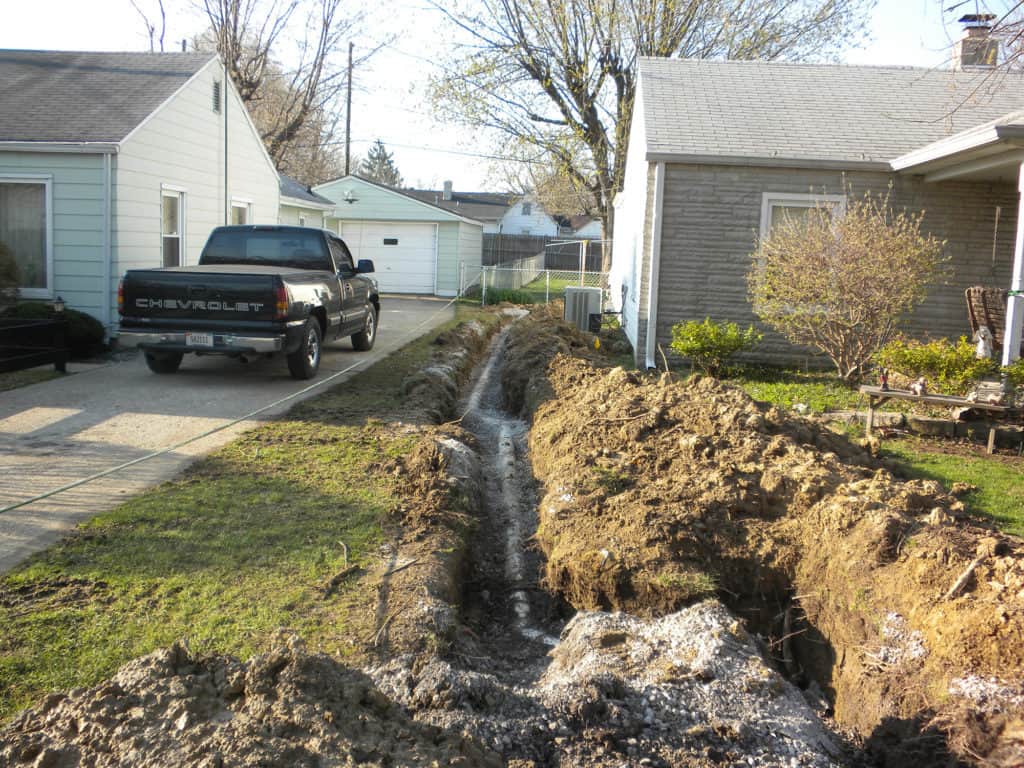
Traditional replacement involves extensive excavation and typically takes longer due to groundwork requirements. It also requires more time for site restoration after the new line is installed.
Key Considerations for Replacement
Local Codes
Local regulations play a crucial role in sewer line replacement. Homeowners must understand and comply with these standards to avoid legal issues. They should secure the necessary permits before initiating any work. This ensures the replacement aligns with safety and environmental guidelines.
Permit acquisition often requires detailed plans and inspections. These steps can affect project timelines significantly. Homeowners should factor this into their replacement expectations.
Material Choices
Selecting the right materials is paramount for new sewer lines. Durability is a top concern, as homeowners expect a long-lasting solution. Many opt for PVC or ABS pipes due to their resistance to corrosion and decay.
Compatibility with existing plumbing systems cannot be overlooked. Mismatched materials can lead to future complications. It’s wise to consult professionals who understand the intricacies of material properties.
A year warranty often accompanies quality materials, offering peace of mind. Homeowners should seek out products that provide this assurance.
Landscape Assessment
The layout of a property influences the replacement strategy. Careful assessment minimizes disruption to landscapes and structures. Access points need strategic placement to facilitate repairs without excessive damage.
Professionals can use camera inspections and other technologies to plan effectively. They identify the least invasive routes, preserving the beauty and functionality of outdoor spaces.
Homeowners should expect some landscape restoration post-replacement. Budgeting for this expense is essential.
Cost Efficiency
Cost is always a consideration for homeowners. While seeking a great price, it’s important not to compromise on quality or service reliability.
Gathering multiple estimates allows homeowners to find competitive rates without sacrificing expertise. Remember, the cheapest option may not always offer the best value in the long run.
Signs You Need a New Sewer Line
Frequent Blockages
Persistent drainage issues often indicate severe sewer line damage. If you experience frequent blockages that cannot be resolved with regular maintenance, this suggests a deeper problem. Roots may invade older pipes, causing obstructions that are difficult to clear.
Unpleasant Odors
The presence of sewage smells in your home signifies a compromised sewer system. These odors indicate a leak or blockage within the drain line. Ignoring such smells can lead to health risks and further damage.
Water Damage
Unexplained water patches on your lawn could point to a broken sewer pipe underneath. Excess moisture in the yard without recent rainfall is a red flag. It’s essential to address these signs promptly to prevent sinkholes or instability in your property’s foundation.
Recurrent Repairs
A key sign that you might need an entire sewer line replacement is the recurrence of similar problems despite previous repairs. Repairing one section of the line might not be enough if the whole system is failing.
Professional Assessment
Consulting with experts is crucial when encountering persistent issues. They can perform inspections using cameras and recommend whether installing a new pipe is necessary.
Overview of Replacement Methods
Traditional Trenching
Traditional trenching is the old-school approach to sewer line replacement. It involves excavating long, deep trenches to remove the old pipes and install new ones. This process can be quite invasive, often requiring large sections of a yard or driveway to be dug up. While effective, traditional trenching has a significant impact on landscaping and can be more time-consuming than other methods.
Trenchless Techniques
In contrast, trenchless techniques offer a less intrusive solution. Pipe bursting and pipe lining are two popular methods that minimize damage to your property. Pipe bursting involves breaking apart the old pipe while simultaneously pulling in a new one. Pipe lining, on the other hand, creates a new pipe within the old one by inserting a resin-coated tube that hardens in place. Both options significantly reduce landscape disruption and can often be completed more quickly than traditional trenching.
Method Comparison
When deciding between traditional and trenchless methods, several factors must be considered. The condition of the existing sewer line plays a crucial role; if it is severely collapsed or damaged, traditional trenching might be necessary. Location is also key – for lines running beneath structures or newly landscaped areas, trenchless may be preferable to avoid additional damage.
Choosing Between Traditional and Trenchless
Cost Analysis
When homeowners face sewer line issues, cost is a major factor. Traditional methods often involve extensive digging and excavation. This can be expensive due to the labor and time required. On the other hand, trenchless techniques may have higher upfront costs but can lead to long-term savings. They typically require less labor and can be completed faster, reducing overall expenses.
Trenchless technology also minimizes the need for future repairs. The materials used are usually more durable against tree roots and soil shifts. Homeowners should consider these factors when comparing costs.
Environmental Impact
The environmental footprint of sewer line replacement is another consideration. Traditional methods can significantly disrupt local ecosystems through large-scale excavation. This affects not only the soil but also nearby water sources and vegetation.
In contrast, trenchless methods are designed for minimal disturbance. They preserve the surrounding environment by avoiding extensive digging. This makes them a more eco-friendly choice for conscious homeowners who value preserving their property’s natural state.
Landscaping Concerns
Landscaping preservation is crucial for many homeowners. Traditional sewer line replacement can devastate well-maintained yards, requiring costly restorations post-repair.
Trenchless solutions shine in this aspect—especially where access is difficult or landscaping is elaborate. These methods allow for repairs beneath gardens, driveways, or even buildings without disturbing the surface. For homes with intricate outdoor designs or significant hardscaping, trenchless options offer a way to maintain aesthetics while addressing plumbing needs.
Accessibility Advantages
Certain properties pose challenges that traditional sewer repair methods cannot meet without causing major disruptions. Homes with limited access or those built on challenging terrain fall into this category.
Trenchless technology excels in these scenarios because it requires only small entry points to reach the pipes underground. It’s an ideal solution for urban areas where space constraints make traditional digging impractical or too invasive.
Understanding Replacement Costs
Cost Range
Sewer line replacement can be a significant financial undertaking. Homeowners might spend anywhere from $50 to $250 per foot, depending on various factors. The choice between traditional and trenchless methods plays a crucial role in determining the overall expense. Traditional methods, often more invasive, can cost less upfront but may lead to higher restoration fees.
Trenchless techniques, while pricier per foot, minimize landscape damage. Material choices also affect costs; PVC pipes are generally more affordable than cast iron or clay. Labor rates vary by region and contractor expertise.
Additional Expenses
Beyond the basic costs of materials and labor, homeowners should prepare for extra charges. Permits are necessary for most sewer line replacements and can range from $50 to several hundred dollars. Landscaping restoration adds to the bill if significant digging occurs.
Unexpected complications like discovering old piping materials or addressing tree root intrusions can inflate expenses. These issues require quick resolution to prevent further damage or increased costs.
Financial Planning
To manage these hefty expenses, obtaining multiple quotes is essential. It ensures competitive pricing and helps in selecting a reliable contractor with reasonable rates. Some contractors offer package deals that include permits and restoration work, providing clarity on total costs.
Homeowners should also explore financing options. Many companies provide payment plans or partner with lenders to offer loans for such projects. This approach allows spreading out payments over time, making the project more manageable financially.
Finding the Right Specialist
Check Credentials
Professionals should have proper licensing and insurance. This ensures they’re qualified to handle sewer line work. You want a team that follows local codes and regulations. They should obtain all necessary permits before starting.
Credentials also include certifications or special training. Look for specialists with a proven track record in sewer line replacement. Their expertise is crucial for your home’s infrastructure.
Read Reviews
Customer feedback offers insights into a specialist’s reliability and quality of labor. Reviews reflect experiences with timeliness, professionalism, and communication. Pay attention to how companies respond to both positive and negative comments.
An abundance of positive reviews often indicates consistent excellent work. However, be wary of reviews that seem too good to be true or are vague in detail.
View Past Work
Experienced professionals will have a portfolio of past projects. These examples showcase their skill in handling various sewer line issues. Ask for before-and-after photos or case studies.
Seeing actual results helps gauge the specialist’s ability to manage similar problems on your property. It can also provide peace of mind about the investment you’re making.
Get Detailed Quotes
Understanding the full scope of the job is essential after learning about replacement costs. Request itemized quotes to see what you’re paying for. This includes labor, materials, and any additional equipment like a digital camera inspection.
Quotes should be clear and comprehensive, leaving no room for surprises on your bill. Compare quotes from different teams to find competitive pricing without compromising on quality.
Ensure Clear Communication
Open dialogue with the specialist is key throughout the project. They should explain each step clearly, helping you understand what’s happening on your property.
Good communication prevents misunderstandings and ensures your needs are met. It also allows you to raise concerns immediately if things don’t go as planned.
Final Remarks
Navigating sewer line woes can be a headache, but you’ve now got the roadmap to tackle it head-on. From spotting red flags to weighing out replacement methods and costs, you’re equipped to make informed decisions. Remember, ignoring the signs can lead to a messy situation—literally. Think of your sewer system as the unsung hero of your home; it deserves your attention and care.
Don’t let the underground out of sight mean out of mind. If your gut—or rather, your pipes—is telling you something’s amiss, trust that instinct. Reach out to a trusted specialist and take the plunge. Your future self will thank you for a home free of back-ups and full of peace of mind. Ready to dive in? Let’s get your sewer line flowing right.
Frequently Asked Questions
How can I tell if my sewer line needs replacing?
Look for frequent backups, odd smells, or lush patches in your yard. These are signs that your sewer line might be failing.
What factors influence the time it takes to replace a sewer line?
l type, weather conditions, and the complexity of the existing pipe layout can all affect replacement time.
When should I consider getting a new sewer line?
Consider a replacement if you experience recurring clogs, sewage backups, or if your pipes are old and made of materials prone to degradation.
What are the main methods used to replace a sewer line?
The two primary methods are traditional excavation and trenchless techniques like pipe bursting or relining.
How do I choose between traditional and trenchless sewer replacement?
If preserving your landscape is a priority and the damage isn’t extensive, trenchless might be best. For major repairs, traditional methods could be more suitable.
Can you give me a ballpark figure for sewer line replacement costs?
Costs vary widely based on method, length of pipe, and location but expect several thousand dollars at minimum.
How do I find a reputable specialist for sewer line replacement?
Seek out licensed professionals with good reviews and verified experience in both traditional and trenchless replacement methods.