


Stepping into a home free of musty odors and unsightly spots is a breath of fresh air, yet lurking in the shadows, fueled by excess moisture, could be an unwelcome guest – molds causing moisture problems. It’s the silent invader that can sneak into your space without a peep, but with strategic mold prevention tactics, like vacuuming and using a spray bottle with anti-mold solutions, you can maintain a fortress against molds and ensure healthy indoor air. While mold spores are a natural part of the environment outside, their uncontrolled growth indoors can lead to exposure that may cause allergic reactions. By understanding how to keep dampness at bay and ensuring proper ventilation, you’re setting up an invisible barrier that keeps your living spaces pristine and your air quality top-notch.
Key Takeaways
- Recognize Mold Risks: Awareness of the conditions that promote mold growth in indoor air, such as high humidity and water leaks, is crucial for prevention, especially in areas like the bathroom where mold may develop.
- Address Problem Areas: Regularly inspect your home for potential mold hotspots, such as bathrooms and basements, and promptly repair any leaks or damage.
- Prioritize Quick Drying: Ensure that any wet areas or materials in your home are dried within 24 to 48 hours to prevent mold spores from taking hold.
- Improve Ventilation: Use exhaust fans in the bathroom, may open windows, and dehumidifiers to maintain good airflow and reduce moisture levels in your home.
- Monitor Humidity Levels: Aim to keep indoor humidity between 30% and 50% by using air conditioners and dehumidifiers, and by checking humidity with a hygrometer.
- Select Mold-Resistant Materials: When renovating or building, choose mold-resistant products like drywall and paints to fortify your home against mold infestations.
Understanding Mold Risks
Moisture Catalyst
Moisture in homes sets the stage for mold growth. It thrives in damp, warm conditions. Leaks, condensation, and high humidity are common culprits. Homeowners should monitor humidity levels and fix leaks promptly.
To prevent mold, keep indoor humidity below 50%. Use dehumidifiers and air conditioners during humid months. Ensure proper ventilation in bathrooms, kitchens, and laundry areas. These actions limit moisture and hinder mold development.
Household Hosts
Mold finds a home in various materials. It favors porous surfaces where it can root itself. Carpet, drywall, and wood are susceptible to mold invasion.
Regular cleaning helps prevent mold on these surfaces. Dry any wet areas immediately. Replace items like carpets if they become water-damaged beyond repair. This reduces the risk of mold taking hold.
Health Implications
Exposure to mold can lead to health problems. It triggers allergic reactions in some people. Symptoms include sneezing, runny nose, red eyes, and skin rash.
People with asthma may experience worsened symptoms when exposed to mold. Those with weakened immune systems might face severe infections. It’s crucial to address mold issues quickly for the well-being of occupants.
Property Damage
Unchecked mold growth damages property over time. It weakens structural elements like wooden beams and ceiling tiles.
It’s not just about aesthetics; it’s about safety too. Regular inspections can catch early signs of mold damage before it becomes extensive—and expensive to fix.
Identifying and Fixing Problem Areas
Regular Inspections
Homes require vigilance to stay mold-free. Regular inspections for leaks are crucial. Check roofs, windows, and pipes often. These areas can let moisture in, creating a haven for mold. It’s not just about spotting drips or puddles. Look for discoloration or warping on surfaces that might suggest hidden dampness.
Leaks are more than an inconvenience; they’re invitations for mold. They must be fixed immediately. Homeowners should feel empowered to do routine checks themselves. However, bringing in professionals annually can catch what you might miss.
Mold-Resistant Materials
In high-moisture zones like bathrooms and kitchens, the right materials make a difference. Use mold-resistant products such as paints, drywall, and flooring. These specially designed materials resist mold growth by limiting moisture absorption.
It’s not just about slapping on some paint; it’s about creating a barrier between your home and potential mold colonies. When remodeling or repairing, consider these products as investments in your home’s health.
Swift Water Damage Response
When water damage occurs, time is of the essence. Addressing it promptly can mean the difference between a quick clean-up or extensive mold remediation later on. Don’t give mold a chance to settle in; dry all wet areas immediately.
Carpets soaked from a flood? They need attention fast. Upholstery caught in a leak? It cannot wait either. Every minute counts when preventing mold from taking hold.
Cleaning Practices
Maintaining cleanliness is also key to keeping mold at bay. Surfaces should be cleaned regularly with products that remove organic matter without leaving residue behind that could feed future growth.
Cleaning isn’t just about aesthetics; it’s a strategic battle against invisible spores waiting for their chance to thrive on neglected crumbs or spills.
Attention to Detail
Note every detail when combating mold—every corner of the floor matters just as much as the broad expanse of the ceiling does. Overlooked spaces are often where problems start unnoticed until they’ve become significant issues.
Be thorough in your approach: move furniture periodically to check underneath, inspect behind appliances, and don’t forget areas that aren’t part of daily routines but could harbor moisture or organic debris.
Drying Wet Areas Quickly
Rapid Response
After identifying problem areas, it’s critical to act swiftly when water intrudes. Whether from a leaky roof, broken pipe, or flood, water accumulation should be removed within 24–48 hours. This quick action is key to halt mold growth.
Mold thrives in moisture. Quick drying prevents spores from taking hold. Towels and mops are first-line tools for soaking up water. For larger areas, a wet-dry vacuum can pull moisture from carpets and floors.
Utilize Tools
In damp spaces, dehumidifiers and fans are invaluable. They work together to circulate air and reduce humidity levels. This combination speeds up the drying process considerably.
For hard-to-reach areas or deep moisture, consider renting industrial-grade dehumidifiers. These powerful machines extract significant amounts of water vapor from the air, ensuring thorough drying.
Focus on Bathrooms
Bathrooms are mold hotspots due to their constantly wet conditions. After showering or cleaning, use a squeegee on walls to remove excess water. Wipe down any standing water with a towel.
Spray bottles filled with hot water can help clean porous surfaces where mold might hide. A regular spray-down followed by airing out significantly reduces the risk of mold setting in.
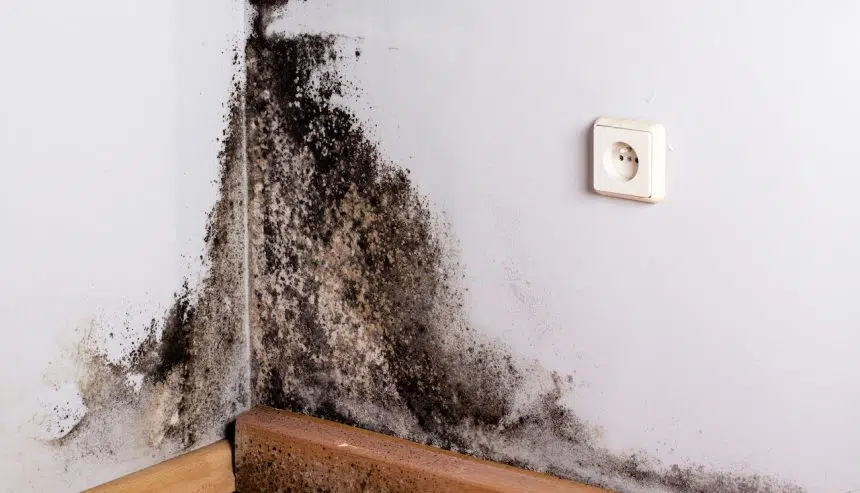
Preventive Measures
Regular inspection of plumbing fixtures helps catch leaks early. Fixing drips and ensuring good seals around showers and tubs keep moisture at bay.
Consider waterproof paint or tiles for bathroom walls and ceilings. These surfaces resist water penetration, making them less hospitable for mold.
Enhancing Home Ventilation
Exhaust Fans
Installing exhaust fans in key areas is essential for mold prevention. In kitchens, cooking generates moisture that can settle on surfaces, creating an ideal environment for mold growth. An exhaust fan removes this moist air effectively. Similarly, in bathrooms, where steam from showers and baths contributes to high humidity levels, an exhaust fan plays a crucial role in expelling the dampness.
It’s important to clean these fans regularly. Dust and debris can accumulate over time, reducing their efficiency. A well-maintained exhaust system ensures optimal performance and prolongs its lifespan.
Dryer Venting
Clothes dryers are another common source of indoor moisture. They must vent outside to minimize humidity levels within the home. Inspect the venting system periodically to ensure it’s free from obstructions and leaks. Any compromise in the system can lead to excess indoor humidity, which encourages mold proliferation.
Proper dryer maintenance also includes cleaning the lint filter after every use. This not only prevents mold but also reduces fire hazards and improves energy efficiency.
Window Aeration
Regularly opening windows is a simple yet effective strategy to enhance air circulation. It allows fresh outdoor air to replace stale indoor air, balancing moisture levels. Open windows when weather permits, especially after activities like showering or cooking that introduce extra moisture into the house.
However, be mindful of outdoor humidity levels; opening windows on a humid day may inadvertently increase indoor moisture.
Consistent ventilation practices contribute significantly to maintaining a healthy living environment by preventing mold growth and its associated health effects.
Keeping Humidity in Check
Humidity Monitoring
Regularly checking indoor humidity levels is crucial for mold prevention. Hygrometers are effective tools that measure the relative humidity inside a home. By keeping an eye on these readings, homeowners can detect high humidity levels before they contribute to mold growth. Ideally, indoor humidity should stay below 50%. This range helps create an environment less conducive to mold and mildew.
A hygrometer provides real-time data, allowing prompt adjustments to the home’s atmosphere. If the device shows increased moisture, it’s time to take action to reduce it.
Moisture Control
Controlling excess moisture within a home requires a multifaceted approach. Use of air conditioners during hot weather not only cools the space but also reduces indoor humidity. Dehumidifiers are particularly effective in areas prone to dampness like basements or bathrooms. These appliances work by removing water from the air, collecting it in a container for easy disposal.
Routine maintenance on HVAC systems also plays a critical role in managing indoor moisture levels. Ensuring that these systems function properly prevents them from contributing to high humidity and potential condensation issues.
Temperature Regulation
The temperature inside a home can affect how much moisture the air holds; warmer air typically contains more water vapor. By maintaining a consistent, cooler temperature through thermostats and smart climate controls, homeowners can keep relative humidity at bay.
It’s important to balance the temperature throughout all rooms since variations can lead to pockets of high humidity. This is especially true in spaces where water is frequently used or where pets may reside, as they can add to the overall moisture level.
Upgrading Exterior Water Defenses
Window Sealing
Sealing gaps in windows is crucial. It prevents water from seeping into walls, which can cause mold. Homeowners should inspect window frames regularly. They must replace old caulking to ensure a watertight seal. This simple action can save a lot of trouble by keeping moisture out.
Door Gaps
Like windows, doors are potential entry points for water. Check for gaps under and around doors. Weather stripping is an effective solution here. It blocks water and keeps homes dry during rainstorms. Consistent maintenance of door seals contributes significantly to mold prevention.
Gutter Maintenance
Gutters play a key role in directing rainwater away from the home. They need regular cleaning to work properly. Clogged gutters lead to overflow, which can result in water damage along the roofline and the foundation. Ensure gutters and downspouts are clear, especially before heavy rains.
Downspout Direction
The direction of downspouts is just as important as clean gutters. Water should flow away from the house, not towards it. Extensions or splash blocks can help direct the flow further away from the foundation, protecting basements from unwanted moisture.
Landscaping Slopes
Yard landscaping affects water drainage significantly. The ground should slope away from the house to avoid basement flooding. Strategic planting and proper grading can create an effective barrier against standing water, which is a common culprit in mold growth.
Choosing Mold Resistant Products
Mold-Resistant Materials
Mold thrives in damp environments. Homes can combat this by incorporating materials less hospitable to mold. When renovating, mold-resistant drywall is a smart choice, especially for areas like bathrooms and basements where moisture levels are higher. These drywalls are engineered to repel water and reduce the risk of mold growth.
Insulation is another critical area. Opt for mold-resistant insulation products that prevent spores from taking hold. They keep your home warm while safeguarding against potential infestations.
Protective Coatings
Paints with mold-inhibiting properties offer an additional layer of defense. These paints contain compounds that discourage mold from growing on walls and ceilings. Applying mold-resistant paint in high-moisture rooms like kitchens or laundry areas is particularly effective.
For added protection, consider using mold inhibitors in your paint mixture. These additives further reduce the likelihood of mold development in even the dampest corners of a house.
Furnishing Choices
Furnishings play a role in preventing mold as well. Carpets, for example, can trap moisture and become breeding grounds for mold spores. Selecting carpets designed to resist moisture helps minimize this risk.
Likewise, choose furniture crafted from materials less likely to support mold growth. Metal and plastic are generally more resistant than wood which can absorb moisture and facilitate molds.
Fabric Considerations
Fabrics throughout the home should also be chosen with care. Mold can easily grow on certain textiles when exposed to moisture. Look for fabrics treated to be resistant to molds, such as those used for shower curtains or outdoor furniture cushions.
In spaces prone to dampness, avoid heavy drapes that may absorb humidity; instead opt for lighter materials that dry quickly and are less welcoming to spores.
Food Storage Tips
Even food containers can contribute to household mold issues if not selected carefully. Airtight containers made of glass or plastic help keep food fresh longer and prevent exposure to airborne molds found commonly in kitchens.
Avoid using cardboard cartons for long-term storage as they can absorb moisture and become hotspots for mold growth.
Immediate Steps for Mold Prevention
Gutter Maintenance
Regular maintenance of roof gutters is a crucial step in preventing water damage. Clogged or damaged gutters can lead to water accumulation, which may seep into the home and create ideal conditions for mold to thrive. Homeowners should clean their gutters periodically, especially after heavy storms or during fall when leaves are likely to block the drainage.
They must also inspect and repair any breaks or leaks promptly. This ensures water is channeled away from the house effectively, keeping walls and foundations dry.
Airflow Enhancement
Storage areas often have limited airflow, which can result in moisture buildup. To prevent this, it’s important to promote circulation in these spaces. One method is to avoid overpacking closets or storage rooms, as clutter can restrict air movement. Another strategy includes using fans or opening windows to facilitate cross-ventilation.
For areas that are prone to dampness, such as basements, using dehumidifiers can help maintain dry conditions and discourage mold growth.
Plumbing Repairs
Water problems like plumbing leaks can provide a constant source of moisture for mold. Addressing these issues swiftly stops mold from gaining a foothold. It’s essential to regularly check under sinks, around toilets, and behind appliances for any signs of leaks.
When detected, repairs should be immediate and thorough. Sometimes it might require professional assistance to ensure that hidden leaks within walls or floors are also fixed. This proactive approach not only prevents mold but also protects the structural integrity of the property.
Closing Thoughts
You’ve armed yourself with the essentials to keep mold at bay—understanding the risks, tackling problem areas, and making smart choices to safeguard your space. By drying wet spots swiftly, ventilating your home effectively, maintaining humidity levels, and fortifying your exterior against water invasion, you’re already a step ahead in the fight against this unwelcome intruder. Embracing mold-resistant products further shields your sanctuary, ensuring immediate prevention measures become second nature.
Don’t let your guard down; stay vigilant and proactive. Share these tips with friends and family—everyone deserves a mold-free home. If you spot signs of mold or suspect it’s gaining ground, act fast! Remember, a clean, healthy environment is in your hands. Ready for a breath of fresh air? Take control today and breathe easy knowing you’re keeping mold out for good.
Frequently Asked Questions
What are some common areas in the home where mold is likely to grow?
Mold loves damp, dark, and poorly ventilated spaces. Keep an eye on basements, bathrooms, and under sinks – these spots can be mold magnets.
How quickly should I dry wet areas to prevent mold growth?
Speed is key! Aim to dry any spills or leaks within 24-48 hours to stop mold in its tracks.
Can improving ventilation really help prevent mold?
Absolutely! Good airflow whisks away moisture. Think of it as giving your house a breath of fresh air to keep mold at bay.
Is it necessary to maintain a certain humidity level to prevent mold?
Yes, you bet! Aim to keep indoor humidity below 50%. A dehumidifier can be your best friend in this mission.
Are there actually products that resist mold growth?
For sure! When remodeling or repairing, opt for mold-resistant drywall or paints – they’re like a shield against those pesky spores.
What should I do immediately if I spot signs of mold in my home?
Don’t wait around – clean it up with soap and water pronto and fix any moisture problems. Mold’s not a good roommate!
How effective are exterior water defenses in preventing mold inside the home?
They’re your home’s armor against moisture invasion. Proper gutters, downspouts, and sloped landscaping are crucial in keeping the enemy (water) at bay.