


Drain snaking and hydro jetting are two ways to clear a clogged drain, and they solve different problems. Snaking pushes a flexible steel cable into the pipe to punch through hair, grease, and soft blockages near a fixture. Hydro jetting scours the full pipe wall with water at up to 4,000 psi, cutting through years of grease, sludge, and tree roots deep in a main line.
For homeowners across Olivia, Willmar, Hutchinson, and the rest of west-central Minnesota, the right choice usually comes down to the pipe. Snaking is the fast, low-cost fix for a single slow drain, while hydro jetting is the deeper clean for recurring backups, root intrusion, and older rural lines. Below, Northern Services Today breaks down how each method works, what it costs, and when to call a licensed plumber.
How Drain Snaking Works
A drain snake, also called a cable auger, is a long flexible steel cable with a cutting or grabbing head on the tip. The plumber feeds it into the drain and turns it – by hand on a small hand auger, or with a motor on a larger drum machine – until the head reaches the clog. From there it either breaks the blockage apart or hooks it so it can be pulled back out.
Snaking works best on localized, soft clogs close to a fixture: a bathroom sink packed with hair and soap scum, a kitchen line holding food scraps, or a toilet trap caught on a foreign object. Most residential snakes reach anywhere from 25 to 100 feet, which covers the majority of branch-drain clogs. It is quick, needs little setup, and often clears a single slow drain in under an hour. What it does not do is scrub the pipe wall clean. Snaking opens a channel through the clog, but grease and scale coating the inside of the pipe stay behind.
How Hydro Jetting Works
Hydro jetting clears drains with water instead of a cable. A specialized machine pumps water through a hose and out a directional nozzle at high pressure, up to about 4,000 psi on residential equipment. The nozzle uses forward-facing jets to cut through the blockage and rear-facing jets to pull the hose deeper while scouring the pipe in every direction.
Because it blasts the entire inner circumference of the pipe, hydro jetting removes what a cable leaves behind: hardened grease, mineral scale, sludge, and tree roots that have worked into a joint. It essentially restores the line to close to its original inside diameter. This is a job for a trained operator, not a rental tool. A reputable plumber runs a camera down the line first to confirm the pipe can handle the pressure, then matches the nozzle and pressure to the pipe material and the type of buildup.
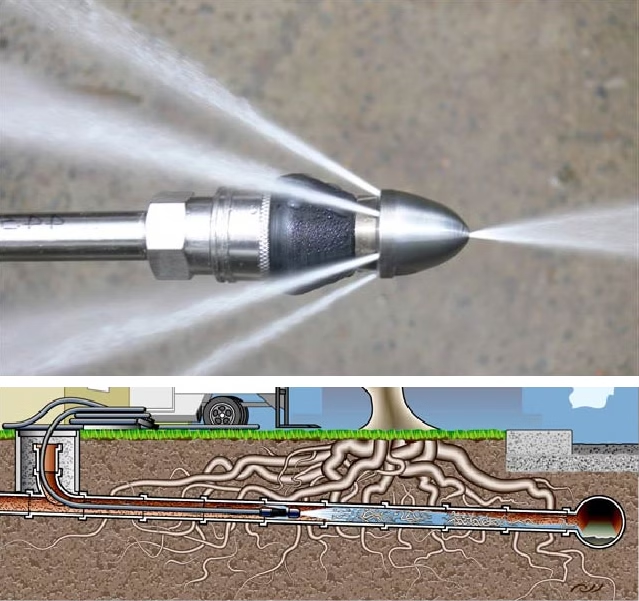
Snaking vs. Hydro Jetting: A Side-by-Side Look
Which Clogs Each Method Handles
Snaking is the right call for a single, isolated clog: hair, soap, a wad of paper, or soft food buildup near one fixture. Hydro jetting is built for the tougher end – grease that has caked the whole line, sludge in a main sewer, root intrusion, and drains that clog again and again no matter how many times they are cleared. If the same line backs up every few months, snaking is only treating the symptom, while jetting cleans the cause.
Effect on Your Pipes
Snaking is gentle and safe for nearly any pipe in reasonable condition. Hydro jetting is safe for sound modern pipe, including PVC and healthy cast iron, but its pressure can worsen a line that is already cracked, corroded, or badly deteriorated. That is exactly why a camera inspection comes first on older lines: it keeps a powerful cleaning from turning into an expensive repair.
Cost and Time
Snaking is the less expensive option and the faster one, often finished in 30 minutes to an hour. Hydro jetting costs more and takes longer, commonly one to three hours for a thorough main-line cleaning, because it cleans the whole pipe rather than punching one hole through the clog. A straightforward snaking typically lands in the low hundreds of dollars, while hydro jetting runs higher for the added equipment, time, and lasting result. Actual pricing depends on the line and the severity of the buildup, so we quote it after we see the drain. Spending more up front on jetting can pay off when it heads off repeat service calls on a chronic backup.
Which Method Fits Your West-Central Minnesota Home
Around Olivia, Willmar, Hutchinson, and the smaller towns and farmsteads nearby, a few local realities push the decision. Many rural homes and older farmhouses still run on cast iron or clay sewer laterals that have been in the ground for decades, and those materials collect scale and invite root intrusion. Mature boulevard and yard trees send roots toward the moisture in a sewer line, and hard water – common on private wells throughout the region – leaves mineral scale that narrows pipes over time.
For a one-off slow drain, snaking is usually all you need. But if you are dealing with repeat backups, gurgling drains, or a main line that has not been cleaned in years, hydro jetting paired with a camera inspection is the smarter long-term move. On an aging line, that camera pass matters: it tells us whether the pipe is solid enough to jet or whether it needs repair first.
Frequently Asked Questions
What is the main difference between drain snaking and hydro jetting?
Snaking pushes a steel cable through a clog to open a channel, while hydro jetting uses high-pressure water to scour the entire pipe wall clean. Snaking clears a single blockage fast; jetting removes the buildup that causes repeat clogs.
When should I choose hydro jetting instead of snaking?
Choose hydro jetting for grease-caked lines, tree roots, main-sewer buildup, or drains that keep clogging. For a single slow sink, tub, or toilet, snaking is usually the quicker, lower-cost fix.
Is hydro jetting safe for older pipes?
It is safe for pipe in sound condition, but high pressure can damage a line that is already cracked or badly corroded. That is why we run a camera inspection first on older lines before jetting.
Can I snake or jet my own drains?
A hand auger can handle a minor clog near a fixture. Hydro jetting is not a DIY job; it takes professional equipment and training to avoid injury and pipe damage, so it should be left to a licensed plumber.
How often should drains be cleaned?
For most homes, a cleaning every year or two keeps lines clear. If you have chronic backups, root problems, or an older sewer lateral, more frequent service or a scheduled jetting may make sense.
Talk to a Licensed Plumber
Still not sure whether your drain needs a quick snaking or a full hydro jetting? Northern Services Today has licensed plumbers serving Olivia, Willmar, Hutchinson, Litchfield, Redwood Falls, and the surrounding west-central Minnesota communities. We will inspect the line, recommend the right method for your pipes, and clear the clog for good. Call us at (320) 523-5862 to schedule drain cleaning.