


A clogged drain is more than just a minor inconvenience; it’s a sign of underlying issues that can lead to costly repairs and significant property damage. In fact, plumbing system issues are the most common type of home repair, with nearly 28% of homeowners reporting a plumbing-related problem in a recent survey[1]. Furthermore, a staggering 66% of U.S. homeowners have experienced a summer plumbing issue, with 60% paying over $200 for repairs and 37% spending over $500 on their last plumbing emergency[2]. These statistics highlight the critical importance of proper drain maintenance and the need for effective, reliable solutions when clogs do occur. This comprehensive guide provides an in-depth look at drain cleaning essentials, from preventative measures and DIY fixes to the benefits of professional services. We’ll explore the common causes of clogs, the risks of improper maintenance, and the most effective, environmentally-friendly methods for keeping your drains flowing freely. By understanding the fundamentals of drain care, you can protect your home, save money, and avoid the stress of unexpected plumbing emergencies.
The High Cost of Neglect: Understanding the Context of Drain Maintenance
The steady drip of a leaky faucet or the slow drain of a sink can be easy to ignore, but these seemingly minor issues are often symptoms of a much larger problem lurking within your plumbing system. The financial and environmental consequences of neglecting drain maintenance are significant, impacting homeowners, property managers, and the community at large. The Septic, Drain & Sewer Cleaning Services industry in the United States is an $8.1 billion market, with a compound annual growth rate of 6.7% over the last five years[3]. This substantial market size underscores the prevalence of drain-related issues and the high demand for professional services. For individual homeowners, the costs can be substantial. As previously noted, 60% of homeowners have paid over $200 for plumbing repairs, and for many, the costs are much higher. When plumbing emergencies lead to property damage, the financial burden can be overwhelming, with 27% of homeowners facing such consequences from summer plumbing issues alone[2].
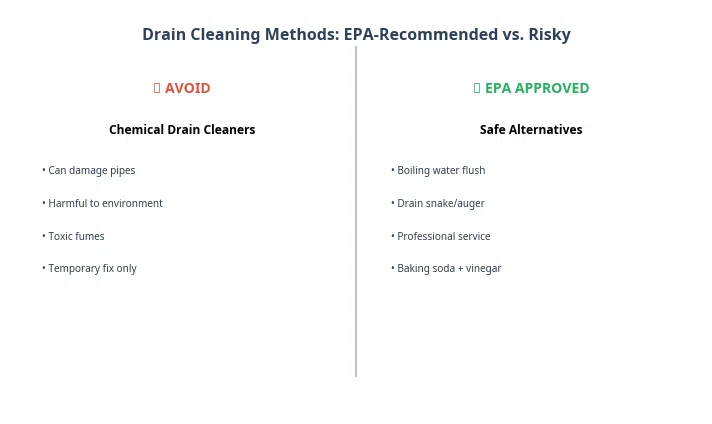
Beyond the immediate financial impact, there are broader environmental concerns to consider. The U.S. Environmental Protection Agency (EPA) strongly advises against the use of chemical drain cleaners, as these harsh products can damage pipes, harm the environment, and pose health risks due to toxic fumes[4]. Improperly maintained septic systems can also contaminate groundwater, posing a threat to drinking water supplies. With 80% of U.S. residents supporting the rebuilding of water infrastructure, there is a clear public mandate for responsible water management and preventative maintenance[3]. This context highlights the importance of proactive drain care, not just as a matter of household convenience, but as a crucial aspect of responsible homeownership and environmental stewardship. Understanding the risks and costs associated with neglect provides a powerful incentive to adopt preventative practices and seek professional help when needed.
Analysis: A Deeper Dive into Drain Clogs and Solutions
To effectively address drain issues, it’s essential to understand the common culprits behind clogs and the most effective methods for resolving them. This analysis explores the primary causes of drain blockages, the pros and cons of various cleaning methods, and the critical role of professional services in maintaining a healthy plumbing system.
Common Causes of Clogged Drains: A Preventable Problem
Most drain clogs are not sudden, catastrophic events but rather the result of gradual accumulation of materials that should not be in your pipes. Understanding these common causes is the first step toward prevention:
- Hair and Soap Scum: In bathroom drains, hair is the primary offender, binding with soap scum to create stubborn clogs that restrict water flow.
- Grease and Oil: In the kitchen, pouring grease, oil, and fat down the drain is a recipe for disaster. These substances solidify in the pipes, trapping food particles and creating dense, difficult-to-remove blockages.
- Food Waste: Even with a garbage disposal, certain food items like coffee grounds, eggshells, and starchy foods (rice, pasta, potatoes) can contribute to clogs.
- Foreign Objects: Small items like cotton swabs, dental floss, paper towels, and so-called “flushable” wipes do not break down in water and can cause serious blockages.
- Mineral Buildup: In areas with hard water, mineral deposits (calcium and magnesium) can accumulate over time, narrowing the diameter of pipes and increasing the likelihood of clogs.
- Tree Roots: For main sewer lines, tree roots seeking moisture can infiltrate pipes, causing severe damage and blockages that require professional intervention.

Repair Type,Percentage
Plumbing Systems,27.94
Air Conditioning,23.67
Refrigerators,22.77
Heating Systems,20.44
Smoke Detectors,18.89
The DIY vs. Professional Debate: Choosing the Right Approach
When faced with a clogged drain, many homeowners are tempted to reach for a bottle of chemical drain cleaner or attempt a DIY fix. While some minor clogs can be addressed with simple methods, it’s crucial to understand the limitations and risks of these approaches. The EPA strongly advises against chemical drain cleaners due to their potential to damage pipes and harm the environment[4]. Safer DIY alternatives include using a drain snake or a mixture of baking soda and vinegar, but these methods may not be effective for more severe blockages.
Professional drain cleaning services offer a safer, more effective, and longer-lasting solution. Trained technicians have the expertise and equipment to diagnose the root cause of the problem and address it without causing further damage. One of the most effective professional methods is hydro-jetting, which uses high-pressure water to thoroughly clean the inside of pipes, removing all accumulated debris and buildup. While professional services come at a cost, they can save you money in the long run by preventing recurring clogs and costly emergency repairs. As the data shows, a significant percentage of homeowners end up paying hundreds or even thousands of dollars for plumbing repairs, often due to issues that could have been prevented with professional maintenance[2].

Cost Range,Percentage
Under $200,40
$200-$499,23
$500-$999,15
$1000-$1999,12
$2000-$2999,5
Over $3000,5
Action Plan: A Proactive Approach to Drain Maintenance
Preventing drain clogs is far more effective and less expensive than dealing with them after the fact. By implementing a proactive maintenance plan, you can keep your drains flowing smoothly and avoid the stress and expense of plumbing emergencies. Here is a step-by-step checklist to guide your efforts:
- Be Mindful of What Goes Down the Drain: This is the most critical step in preventing clogs. Avoid pouring grease, oil, coffee grounds, and other problematic substances down the drain. Use a sink strainer to catch food particles and hair.
- Regularly Flush Drains with Hot Water: Once a week, flush your drains with boiling water to dissolve grease and soap scum. This simple step can make a big difference in preventing buildup.
- Use Natural Cleaners: For a safe and eco-friendly cleaning solution, pour a cup of baking soda down the drain, followed by a cup of vinegar. Let it sit for 30 minutes, then flush with hot water.
- Invest in a Drain Snake: For minor clogs, a drain snake is a much safer and more effective tool than chemical cleaners. Learn how to use it properly to avoid damaging your pipes.
- Schedule Professional Inspections: The EPA recommends having your septic system inspected by a professional every three years[4]. For homes connected to a sewer system, a professional plumbing inspection every one to two years can help identify potential problems before they become major issues.
- Know When to Call a Pro: If you experience recurring clogs, slow drains in multiple fixtures, or foul odors coming from your drains, it’s time to call a professional. These are signs of a more significant problem that requires expert attention.
Future Outlook: The Evolving Landscape of Plumbing and Drain Care
The plumbing industry is constantly evolving, with new technologies and a growing emphasis on sustainability shaping the future of drain care. As awareness of the environmental impact of chemical cleaners and water waste grows, we can expect to see a continued shift toward more eco-friendly and efficient solutions. Innovations in hydro-jetting technology are making professional drain cleaning even more effective and less invasive. Smart home technology is also beginning to play a role, with sensors that can detect leaks and potential clogs before they become major problems. For homeowners, this means more options for preventative maintenance and a greater ability to protect their homes from water damage.
The trend toward sustainable living is also influencing consumer choices. More and more homeowners are seeking out natural, non-toxic alternatives to traditional cleaning products. This shift is not only better for the environment but also for the health of our plumbing systems. As we look to the future, it’s clear that a proactive, preventative approach to drain care will become increasingly important. By embracing new technologies and sustainable practices, we can ensure the long-term health of our homes and protect our valuable water resources.
Key Takeaways
- Prevention is Key: The vast majority of drain clogs are preventable. By being mindful of what you put down your drains and implementing a regular maintenance routine, you can avoid most common plumbing issues.
- Avoid Chemical Cleaners: The EPA and plumbing professionals agree that chemical drain cleaners are a risky choice. They can damage your pipes, harm the environment, and are often ineffective for severe clogs.
- Professional Maintenance is a Smart Investment: While it may seem like an unnecessary expense, professional drain cleaning and inspections can save you a significant amount of money in the long run by preventing costly emergency repairs and property damage.
- Know the Warning Signs: Slow drains, recurring clogs, and foul odors are all signs of a potential plumbing problem. Don’t ignore these warning signs; call a professional to diagnose and address the issue before it gets worse.
References
- ConsumerAffairs. (2023, July 29). Home Repair Statistics By State.
- Hippo. (2024, July 30). Survey: 66% of Homeowners Experience Summer Plumbing Issues.
- IBISWorld. (2025). Septic, Drain & Sewer Cleaning Services in the US – Market Research Report.
- U.S. Environmental Protection Agency. (2024, September 17). How to Care for Your Septic System.