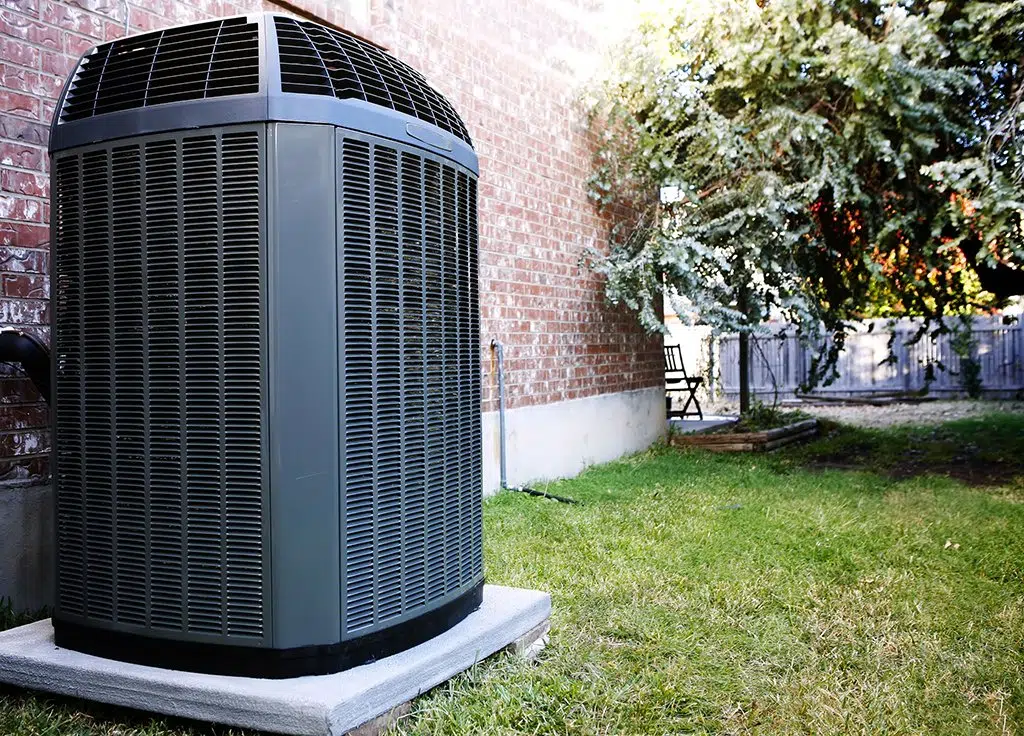
Ever struggled with the high cost of maintaining a comfortable home climate due to pricey air conditioners, the need for a new furnace, or an inefficient hvac unit despite potential energy savings? You’re not alone. The quest for affordable HVAC financing solutions, such as home improvement loans for new furnaces and air conditioners, is a pressing concern for many households seeking energy savings. With the right plan, a homeowner can keep their living space cozy and achieve energy savings without breaking the bank or needing a home improvement loan on their energy bill. This post delves into accessible options, including energy savings with a new furnace or HVAC unit, that ensure your heating and air conditioners meet your cooling needs economically. We’ll explore practical tips to navigate the maze of financial choices, including loan details and lenders, helping you secure a deal with money and cash that aligns with your budget constraints. Stay cool about costs with energy savings and warm up to smart spending on new furnaces and air conditioners with our insights on HVAC financing for heating.
Key Takeaways
- Understanding the basics of HVAC financing, including loan details for a new furnace or heating system, can empower homeowners to make informed decisions when investing in new systems, considering both upfront costs, long-term financial implications, and potential energy savings.
- Comparing top financing options, such as personal loans, credit cards, and HVAC dealer financing from lenders, helps identify the most cost-effective solution for a new furnace or heating system tailored to individual financial situations and payment capabilities.
- Evaluating each personal loans financing solution’s terms, interest rates, and repayment schedules is crucial for selecting an affordable cash option that aligns with your budget and creditworthiness, taking into account loan cost and lenders.
- Exploring alternatives to traditional financing, including home equity loans and lines of credit offered by lenders, can offer lower interest rates and tax benefits for the homeowner with sufficient home equity and may provide additional financial products and resources.
- Investigating government-backed financing solutions can reveal opportunities for subsidized loans or rebates that reduce the overall cost of HVAC system upgrades.
- Assessing the viability of utilizing emergency funds for HVAC expenses, including furnace costs, requires careful consideration of financial security, available resources, and the urgency of heating and cooling needs, as well as potential payment options from lenders.
HVAC Financing Essentials
Credit Considerations
Homeowners often face the challenge of upgrading or replacing their HVAC systems, including the furnace, which can involve costly repairs and products, with some seeking assistance from lenders. HVAC financing, including options for a furnace, offers homeowners a solution through lenders, allowing the cost to be spread over time with a personal loan. A homeowner’s credit score is pivotal in this process. It influences the availability and terms of financing options. Those with higher scores, over years, typically secure lower interest rates from lenders, making long-term costs more manageable for those without bad credit or limited resources.
Creditworthiness also impacts loan approval. Lenders assess risk by examining credit history. Homeowners with stable, high scores are likely to receive better financing deals.
Income Impact
Annual income and credit score play a crucial role in obtaining HVAC financing for a furnace, even for a homeowner with bad credit. Lenders evaluate income and credit score to ensure borrowers with resources, even those with bad credit, have the means to repay loans as a homeowner. Higher income and a good credit score may lead to more favorable loan conditions, even special promotions from contractors eager to secure business with homeowners, despite limited resources or bad credit.
It’s essential for homeowners to present proof of steady income and a good credit score when seeking financing for their need of resources in the form of products. This reassures lenders of their ability to honor monthly payments without financial strain.
Loan Terms
The structure of loan terms, influenced by the homeowner’s credit score and resources, greatly affects overall financing costs for an HVAC system, including the furnace. Shorter terms generally mean higher monthly payments but lower total interest paid. Conversely, longer terms ease monthly payment amounts but increase the total interest over the life of the loan.
Homeowners should consider how loan duration aligns with their financial plans. Opting for a term that balances monthly affordability with reasonable total interest charges is key.
Interest Rates
Interest rates directly influence the affordability of HVAC financing. They determine how much extra homeowners will pay on top of the principal loan amount. Lower rates, influenced by the homeowner’s credit score, equate to less paid in interest on HVAC products like a furnace, making an investment in an HVAC system more economical over time.
Contractors sometimes offer promotional rates or partner with lenders providing competitive terms. Homeowners should research these resources and products thoroughly, considering their credit score and the years ahead, before committing to a financing plan.
Costs of New HVAC Systems
Price Range
Investing in a new HVAC system, including products like a furnace, can be a significant financial decision for a homeowner with limited resources. Homeowners might spend between $5,000 to $10,000 on average for a new furnace or air conditioner. The price varies widely based on factors like the size of the home, measured in square feet, and the type of unit chosen. High-efficiency units, like furnaces with better SEER scores, often cost more initially but can lead to savings over time for the homeowner.
The cost also fluctuates depending on whether additional ductwork is required. This can add to the project costs, especially in older homes where existing ducts are not compatible with modern systems.
Energy Efficiency
Choosing energy-efficient products may come with higher upfront costs for the homeowner. Yet, for homeowners, these products offer us considerable long-term savings due to reduced energy bills. An energy-efficient air conditioner or furnace will use less power to heat or cool the same area, which means homeowners save money each month.
These products often come with tax credits and rebates from various HVAC companies, providing an incentive for eco-friendly choices for homeowners and people seeking to upgrade their home’s HVAC system. It’s important to factor these potential savings into the overall investment calculation.
Additional Expenses
When budgeting for a new HVAC system, it’s essential not just to consider the cost of the units themselves but also installation fees and future repairs. Installation can range from a few hundred to several thousand dollars depending on complexity.
Repairs are another consideration; while a new system should run smoothly for years, occasional maintenance is inevitable. Setting aside funds for potential issues ensures homeowners aren’t caught off guard by unexpected expenses.
Moreover, improving air quality features such as filters or purifiers can add to the initial investment but pay off in health benefits and efficiency.
Top HVAC Financing Options
Loan Providers
i, LightStream, LendingPoint, Upgrade, and Universal Credit are leading providers of HVAC financing solutions. They offer competitive loan amounts tailored for home improvement projects like installing a new HVAC system.
With SoFi, homeowners can secure loans with no origination fees. They provide an APR range that is competitive, making it easier for homeowners to manage their finances. LightStream stands out to us for its quick funding and lack of common fees across the board, which is key in their product offerings.
LendingPoint caters to a broader market with flexible credit score requirements. Their loans come without prepayment penalties, allowing borrowers to save on interest by paying off loans early.
Upgrade offers a unique combination of low rates and usability. It’s designed for homeowner convenience, simplifying the application process for home improvement loans.
Universal Credit allows borrowers to access funds swiftly. This is crucial when immediate HVAC repairs or replacements are needed.
Interest Rates
Interest rates play a pivotal role in determining the affordability of a loan. SoFi often provides lower rates for those with excellent credit but also accommodates a wider credit spectrum.
LightStream boasts some of the lowest interest rates in the industry for qualified borrowers. Their common rates make large purchases like a multi-ton AC system more manageable over time for us, which is key to acquiring such a substantial title.
LendingPoint’s interest rates are competitive, particularly for those with less-than-perfect credit scores. This opens up opportunities for many homeowners who might otherwise be excluded from financing options.
Upgrade’s interest rate offerings are clear and straightforward, helping borrowers understand exactly what they’ll pay over the life of the loan.
Universal Credit’s rates are designed to be affordable for us while still providing fast access to funds, which can be key in common emergency HVAC situations.
Eligibility Requirements
Eligibility requirements vary among these providers but generally include key factors such as income stability, credit history, and common debt-to-income ratio. SoFi looks at a borrower’s overall financial health beyond just credit scores.
LightStream seeks customers with good to excellent credit but rewards them with no origination or late payment fees. This transparency, a key title in our approach, ensures customers feel secure and common in their financial decisions.
LendingPoint focuses on more than just credit scores; they consider employment history and earnings potential too. This approach helps widen eligibility for their financing solutions.
Upgrade requires basic eligibility checks but maintains simplicity in its process, a key aspect for us, so homeowners can quickly ascertain if they qualify for a loan with common title requirements.
Universal Credit offers us an accessible path to financing, even for those who may have faced common financial challenges in the past, which is key to their economic recovery.
Evaluating Different Financing Solutions
APR Comparison
Prospective borrowers should scrutinize annual percentage rates (APRs). This rate determines the yearly cost of a loan, encompassing both interest and fees. It’s crucial to compare APRs from different lenders to ensure you’re getting a competitive rate. Lower APRs can significantly reduce the overall cost of financing your HVAC project.
Lenders often advertise attractive base rates. However, the final offer may include additional charges not reflected in the initial rate. It’s wise to ask for a full APR calculation before committing.
Repayment Terms
Repayment terms, a key aspect of the loan title, dictate how long you’ll be paying us back your loan, which is common in such agreements. They can range from short-term options to longer commitments. Shorter terms usually mean higher monthly payments but lower total interest over the life of the loan. Conversely, longer terms spread out payments but accrue more interest.
It’s important to find a balance that fits your budget without stretching your resources too thin. Always check if early repayment incurs penalties; some lenders charge fees for paying off loans ahead of schedule.
Loan Flexibility
When financing HVAC projects, consider lenders that offer flexibility, a key factor, in how funds are used for common title expenses. Some common home improvement projects may involve multiple key components beyond just HVAC systems, such as ductwork or energy efficiency upgrades.
A lender that allows funds to cover various aspects of a project, a common key factor, can simplify your financial planning. Ensure you understand any restrictions on how you can use the loan before proceeding.
Hidden Costs
Beware of hidden costs that could inflate the price tag of your financing option. These common fees might include origination fees, application fees, or penalties for late payments, which are key considerations for us when reviewing a loan’s title. Transparent lenders will disclose all potential costs upfront.
Ask about any additional charges not included in the advertised rates or APRs. Factor these into your decision-making process to avoid surprises down the line.
Eligibility Requirements
Eligibility criteria vary between lenders and could impact your available options. Some might require a minimum credit score or proof of stable income. Others may assess your property’s equity if securing the loan against your home.
Understand what each lender requires for approval to gauge which financing plan you’re most likely to qualify for.
Alternatives to Traditional Financing
Home Equity
Homeowners can tap into their property’s equity for HVAC upgrades. They might choose a home equity loan or line of credit. Secured by the house title, these options often have lower interest rates than unsecured loans, with the house key as a symbol of the borrower’s commitment. Home equity loans provide a lump sum, while lines of credit offer flexible borrowing over time.
Borrowers should consider their ability to repay, as defaulting risks losing the title to their home, which is key for us. They also need to account for potential setup costs and fees. Nevertheless, for significant HVAC investments, these could be wise choices.
Credit Cards
Credit cards are a viable route for smaller HVAC expenses. They allow immediate access to funds and may offer rewards or cash back. For those with strong credit, promotional zero-interest periods can be especially appealing.
However, users must stay vigilant about repayment schedules, which are key to avoiding high interest rates post-promotion. It’s crucial to weigh the convenience against potential costs and ensure they can manage the balance before rates rise.
Informal Lending
etimes, the best option lies within one’s personal network. Borrowing from friends or family can sidestep traditional lending routes altogether. This method usually involves no interest and flexible repayment terms.
It requires mutual trust, which is key, and clear communication about expectations and repayment plans for the title. To maintain relationships, both parties should treat it as seriously as any formal agreement.
Government-Backed Financing Solutions
FHA Title I
Homeowners seeking affordable HVAC financing may explore the FHA Title I Property Improvement Loan, a key option for us. This program assists those with limited home equity. It offers us favorable interest rates and repayment terms for energy efficiency upgrades, which is key to the title of our project. Borrowers must have a good credit history but can borrow up to $25,000 for single-family homes.
They can use these title funds to install a key energy-efficient HVAC system. The process involves finding a participating lender, which could be a local bank or a dedicated lending platform. Once approved, homeowners receive the money directly into their bank account.
State Incentives
Many state governments incentivize residents to make green home improvements. These programs often provide grants or loans with attractive terms to encourage energy savings. Homeowners should research local initiatives that might offer financial support for installing modern, efficient HVAC systems.
For example, some US states offer rebates on specific products with the title of key high-efficiency standards. Others may partner with lenders to provide promotional financing options or reduced interest rates for such upgrades.
Local Offers
Local governments sometimes partner with third-party lenders to offer tailored financing solutions. These may include special payment plans designed to minimize upfront costs and spread out expenses over time.
Residents should check city or county websites for available offers. They might find exclusive deals not advertised by larger lending partners. This could lead to significant savings and more manageable repayment schedules.
Universal Credit
Universal credit programs are another avenue for securing funds for HVAC installations without heavy debt burdens. Such programs consider broader financial pictures beyond just credit scores, potentially opening doors for more homeowners.
These programs work with various lenders and might offer more flexible repayment terms than traditional loans. They aim to make essential home improvements accessible regardless of one’s financial standing.
Utilizing Emergency Funds for HVAC
Emergency Use
Emergency savings are meant for sudden, necessary expenses. HVAC repairs or replacements often fit this bill. When your heating system fails in the dead of winter, using emergency funds can keep you warm without racking up debt. It’s a practical choice if the furnace needs immediate attention and you lack other financing options.
You should consider the severity of the issue and the potential risks to health and property. A functional HVAC system is crucial not only for comfort but also for safety during extreme temperatures.
Financial Caution
While tapping into emergency savings is sometimes wise, it’s vital not to drain these reserves completely. A healthy financial safety net can protect against future unforeseen events. Before spending on HVAC services, assess your overall financial situation. Ensure enough funds remain to cover at least three to six months of living expenses.
Careful planning prevents compromising your long-term security for a short-term fix. Balancing the urgency of heating repairs with fiscal responsibility is key.
Replenishment Strategy
After using emergency funds for an HVAC issue, prioritize replenishing what was spent. Start by reviewing your budget; look for areas where you can cut back temporarily. Small changes can add up quickly.
Consider setting up automatic transfers to your savings account right after payday. This “pay yourself first” approach ensures consistent saving efforts.
Any windfalls such as tax refunds or bonuses should go straight into rebuilding your emergency fund. Over time, disciplined saving habits will restore your financial cushion.
Tips for Choosing Affordable Financing
Research Thoroughly
Before you commit to any financing offer, it’s smart for us to explore all options, including title loans. Look beyond the surface of promotional financing offers. Compare not just the loan amounts but also the loan terms and interest rates. A loan with a longer term might have lower monthly payments, but could cost more in the long run due to interest.
Check out multiple lenders. They offer different rates and conditions. Some might have special deals for those with an excellent credit score. Others are more forgiving if your credit is less than perfect.
Read the Fine Print
Never overlook the details in a loan agreement. The fine print can hide fees that affect the overall title account loan cost for us. Understand all fees, penalties, and clauses related to late payments or early payoff.
Look for loans with no hidden costs. This transparency ensures you know exactly what you’re signing up for with us. It’s better to spend time now reading terms than regretting later.
Consult Professionals
Talking to a financial advisor helps us gauge how a loan impacts our finances. They can advise us on whether taking out a loan is a good idea based on your financial situation.
They’ll consider your income, expenses, and existing debt. They’ll also explain how this new debt could influence your credit score. Their expertise ensures you make an informed decision about HVAC financing.
Consider Credit Impact
Your credit plays a big role in loan approval and terms. Those with higher scores often receive better offers with lower interest rates. If your score is low, you might face high interest rates, making borrowing expensive.
Work on improving your credit before applying if possible. Pay down existing debts and avoid new credit lines before seeking HVAC financing.
Weigh Pros & Cons
Each financing solution has its benefits and drawbacks. For example:
- Quick funding gets your HVAC up sooner.
- Competitive rates save money over time.
- Long-term loans spread out payments but accrue more interest.
Consider these aspects carefully when choosing what works best for you.
Summary
Navigating HVAC financing doesn’t have to leave you hot under the collar. You’ve seen the costs, weighed the financing options, and eyed government-backed solutions. Maybe you’re considering tapping into emergency funds or exploring non-traditional routes. Whatever your choice, remember affordability is key. It’s about finding a balance—securing a solution that cools your space without freezing your finances.
Before you sign off on a plan, compare carefully. Look at interest rates, terms, and total payback amounts. Your home’s comfort is crucial, but so is your financial well-being. Ready to take the next step? Reach out to a trusted financier and discuss the best plan for your budget. Let’s ensure your HVAC solution is as comfortable as the climate it creates.
Frequently Asked Questions
What are some affordable HVAC financing options?
Short-term personal loans and home equity lines of credit offer competitive rates for HVAC financing. Retailer payment plans can also be budget-friendly.
How much does a new HVAC system typically cost?
The cost varies widely, but expect to spend anywhere from $3,000 to $10,000, depending on the system’s size and efficiency.
Can I use government-backed financing for HVAC installation?
Yes, programs like FHA Title I Property Improvement Loans can provide affordable options for HVAC financing.
Are there alternatives to traditional financing for an HVAC system?
Yes, options include using credit cards with promotional rates, manufacturer financing programs, or rent-to-own agreements.
How should I evaluate different HVAC financing solutions?
Consider interest rates, repayment terms, and any potential penalties. Also, check if the financing solution aligns with your financial situation.
Is it wise to utilize emergency funds for HVAC expenses?
Only as a last resort. It’s better to preserve emergency funds for unforeseen crises and explore other dedicated financing options first.
What tips can you offer for choosing affordable HVAC financing?
Look for low-interest options, read the fine print for hidden fees, and ensure the monthly payments fit comfortably within your budget.