


How Circulator Pumps Work and Their Key Benefits in Heating Systems

A circulator pump is the small electric pump that pushes heated water from your boiler through the pipes to radiators, baseboards, or in-floor loops. In west-central Minnesota, where boilers run hard through months of sub-zero weather, a healthy circulator keeps every room evenly warm, prevents cold spots, and holds down energy costs across the whole […]
Exhaust Fan Selection and Use for Bathrooms and Kitchens
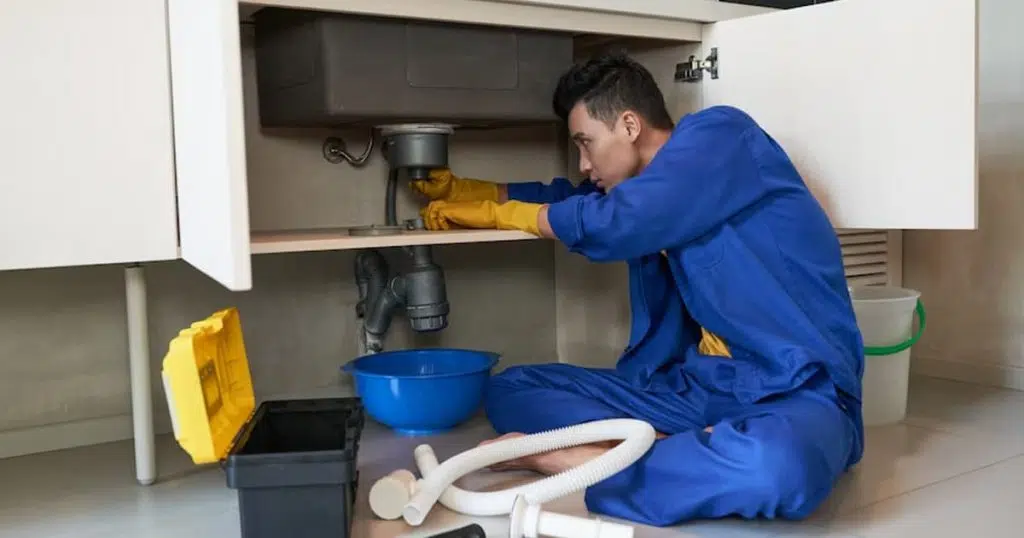
An exhaust fan pulls moisture, grease, and odors out of a bathroom or kitchen before they settle into walls, cabinets, and grout. In west-central Minnesota, where hot showers steam up cold rooms and sealed winter homes trap humidity for months, the right fan – sized to the room in cubic feet per minute (CFM) and […]
Winterize Outdoor Faucets: Essential Steps to Prevent Pipe Bursts

Key Takeaways Properly winterizing outdoor faucets is necessary for avoiding pipe bursts in cold weather. Outdoor spigots, particularly those that face the elements full-on, are at risk if not winterized. Follow these expert tips to winterize exterior faucets and prevent plumbing disasters. Disconnect all garden hoses and buy a set of insulated faucet covers to […]
Why Is My Water Heater Rumbling? Causes and How to Fix It
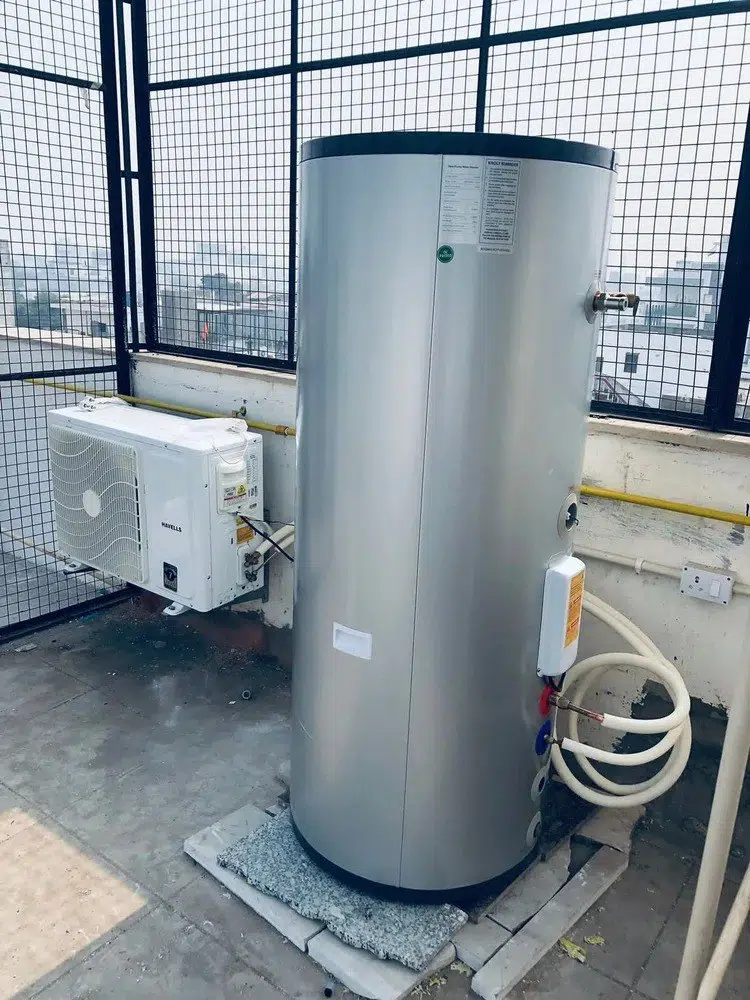
A rumbling water heater almost always points to sediment packed at the bottom of the tank. Minerals settle into a hard crust, water gets trapped beneath it, and the steam that forces its way out creates the rumble. West-central Minnesota’s hard well water speeds this buildup, so tanks around Willmar, Hutchinson, and Olivia often need […]
How to Maintain Your Tankless Water Heater | Step-by-Step Flushing Guide
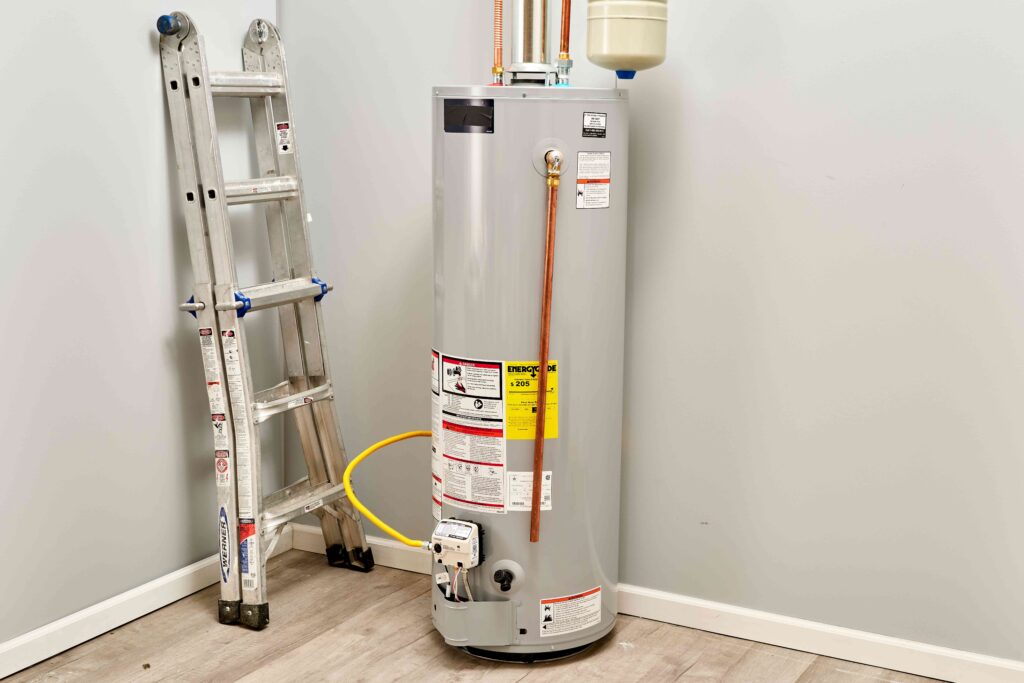
Key Takeaways Flushing your tankless water heater regularly will help greatly in keeping it working well for years to come. These minerals and sediment from hard water accumulate inside the unit over time. This accumulation diminishes efficiency and can even result in expensive emergency repair costs. Routine maintenance, such as flushing, guarantees a constant flow […]
Water Softener Capacity: How to Choose the Right Size for Your Home
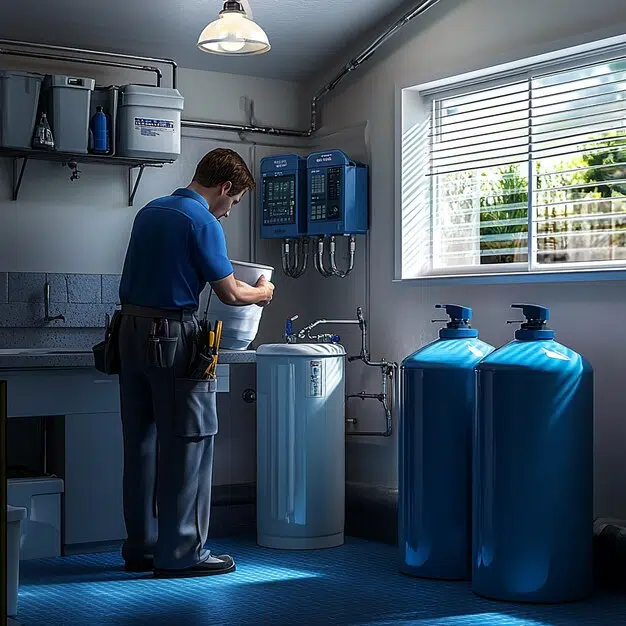
Northern Services Today helps west-central Minnesota homeowners choose the right water softener capacity, from Olivia and Willmar to Hutchinson, Litchfield, and Redwood Falls. Because hard water is common on the rural wells and municipal supplies across our region, sizing your softener correctly is the difference between clean, spot-free water and wasted salt, scale buildup, and […]
Pet Hair vs. Your HVAC System: Essential Maintenance Tips for Pet Owners

Key Takeaways Pet hair can wreak havoc on your HVAC system, clogging filters, blocking vents, and ultimately decreasing efficiency. Hair and dander constantly flow through your system. They clog your ducts and essential interior components, making your system strain to keep air flowing. Eventually, this accumulation can raise energy consumption, reduce your HVAC system’s longevity, […]
Signs Your Water Heater Is Too Small for Your Needs
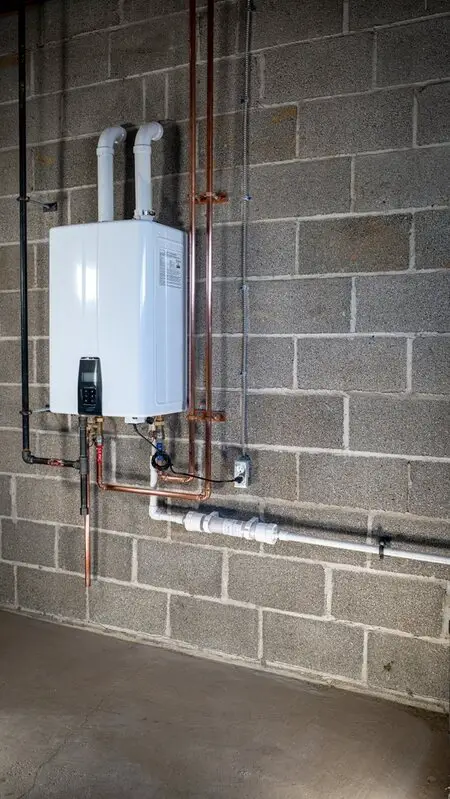
Key Takeaways A water heater that’s too small will leave you high and dry on what should be a daily basis. Signs like running out of hot water during showers, waiting too long between uses, or hearing complaints from family members suggest upgrading to a bigger tank might help. Most families of four generally do […]
Plumbing Remodeling Checklist: Essential Tips Before You Begin

Key Takeaways A plumbing remodeling checklist is your most important tool for a smooth renovation project. It allows you to get everything planned out from budgeting and obtaining necessary permits to how you’re going to place new fixtures – avoiding any surprises, delays, or costs. Many plumbing projects will have you deciding on the best […]
Thermal Expansion Tank for Water Heaters: Benefits, Sizing, and Cost

A thermal expansion tank is a small secondary tank that protects your water heater and plumbing from the pressure that builds up when heated water expands inside a closed system. Installed on the cold-water line near the heater, it gives that extra volume somewhere to go, keeping system pressure safe and steady. For west-central Minnesota […]