


Key Takeaways
- A sewage ejector pump pumps wastewater from lower-level plumbing to a higher sewer or septic line when gravity drainage is not feasible, assisting in avoiding backups and flooding.
- Top places are basements and below grade bathrooms. The system generally consists of a pump, sump basin, and check valves.
- Simple upkeep, including basin inspections, pump tests, and float clearings, diminishes the risk of failures and prolongs pump life.
- Pump failure symptoms include sluggish drains, lingering smells, strange sounds or sewage overflow. You should tackle these quickly to prevent expensive destruction.
- For the right pump, think about capacity, solids handling, power source, and local plumbing codes. Get a licensed plumber to install it.
- For safety, adhere to manufacturer’s instructions, maintain a contingency such as a backup pump or alarm, and don’t flush non-biodegradables to safeguard the system.
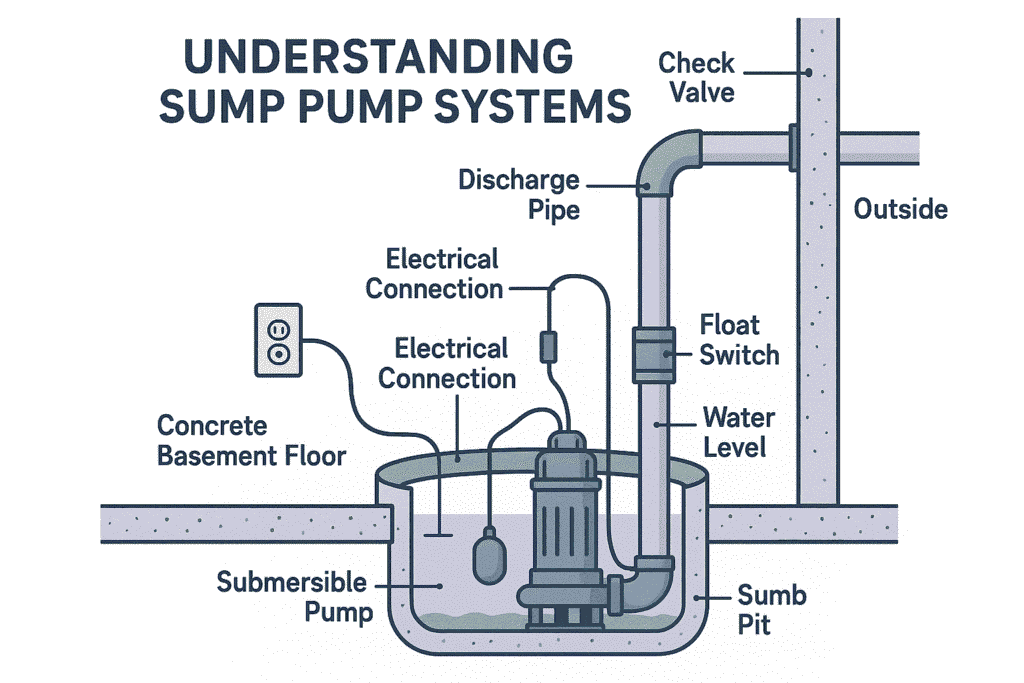
Sewage ejector pumps transport household waste from low-level drains into the main sewer line. It employs a sealed basin and a powered pump to elevate solids and liquids via a discharge pipe. Homes having basements or below-grade bathrooms typically require one.
With routine maintenance and correct installation, they minimize blockages and stench. The meat of this guide covers types, sizing, common issues, and care tips.
Conclusion
A sewage ejector pump maintains waste flow from wherever it collects down to the main drain. It saves basement and lower-level bathrooms from backups. Check the pump capacity, horsepower, and float switch design. Choose solid-handling models for thicker waste and a cast-iron or corrosion-proof housing for durability. Test the pump after installation and keep a simple service plan: clean the basin, check the switch, and replace worn parts. With the right pump, it eliminates odors, prevents backups, and provides consistent pumping. For tight spaces, opt for a petite unit with explicit installation instructions. Need assistance choosing the appropriate model for your home or building? Describe your layout and flow requirements and I’ll direct you to a few good choices.
Frequently Asked Questions
What is a sewage ejector pump?
Sewage ejector pumps are designed to pump wastewater from a lower-level plumbing fixture, such as a basement bathroom, up to the main sewer line. It protects your home from sewage backups in situations where gravity does not have a free path to transport waste.
How does a sewage ejector pump work?
The pump rests in a sealed basin. When sewage fills to a certain point, a float or sensor activates the pump, which drains waste through a discharge pipe to the sewer or septic.
When do I need a sewage ejector pump?
You need one where plumbing fixtures are beneath the sewer line or where local codes require elevated discharge. Typical instances are basement bathrooms, laundry rooms, and lower-level drains.
How long does a sewage ejector pump last?
Average lifespan is 7 to 15 years. Lifespan depends on usage, pump quality, and maintenance, as well as the nature of solids pumped. Routine inspections lengthen life.
What maintenance does a sewage ejector pump require?
Test the basin and float once a month. Clear debris, test operation, and check discharge lines and valves. Have a pro check it once a year to avoid any failures.
Can I install a sewage ejector pump myself?
DIY is doable for seasoned pros, but electrical and plumbing codes apply. Professional installation guarantees the right size, safe wiring and adherence to local codes.
What are signs a sewage ejector pump is failing?
Symptoms are strange noises, excessive cycling, slow draining, bad smells, or sewage backups. Stop failures fast to prevent threats to your health or property.