


FYI, did you know that homeowners with tankless water heaters can be up to 34% more energy-efficient, depending on the temperature rise, than their traditional counterparts for households that use less than 41 gallons of hot water daily? It’s a game-changer for both your utility bills and environmental footprint, especially for homeowners concerned with their household’s hot water usage and water heater efficiency. Tankless water heaters, the sleek marvels in household heating, deliver a continuous supply of hot water within seconds and without the bulk of a storage tank, providing homeowners with an efficient temperature rise. They’re like undercover agents in your utility closet – homeowners hardly know they’re there until you need them, and within seconds, they spring into action, efficiently providing endless streams of hot water with the desired temperature rise on demand for the household. They’re not just about comfort; they’re about smart living.
Key Takeaways
- Tankless water heaters provide homeowners with hot water on demand in seconds, offering a more energy-efficient solution by heating water directly without the use of a storage tank, as explained in “How Tankless Heaters Work.
- Before purchasing a tankless water heater, it’s crucial for homeowners to assess their household’s hot water needs and energy preferences, as outlined in “Pre-Purchase Considerations,” to ensure you choose a model that meets your requirements within seconds.
- Selecting the right heater for homeowners involves understanding the differences between gas and electric models, their flow rates, energy efficiency ratings, and hot water usage, which are detailed in “Choosing the Right Heater” with respect to hot water demand.
- Proper installation is key to maximizing the efficiency and lifespan of your tankless water heater; homeowners should refer to the “Installation Guide” for best practices and consider hiring a professional if they’re not experienced with plumbing or gas lines.
- Weighing the “Pros and Cons” is essential for homeowners; tankless water heaters offer long-term savings and continuous hot water supply but may have higher upfront costs and complex installation requirements compared to traditional heaters.
- Understand that while the initial investment might be higher, as shown in “Cost Analysis,” tankless water heaters typically lead to lower operating costs and can result in significant savings over time, especially when maintained properly as suggested in “Maintenance Tips.”
- The “Lifespan and Long-Term Savings” section highlights that with an average lifespan of 20 years—twice that of traditional heaters—tankless models can be a financially sound investment in the long run.
How Tankless Heaters Work
Heating on Demand
Tankless water heaters, also known as on-demand water heaters, provide hot water only as it is needed. They don’t maintain a reservoir of hot water like traditional tank systems. This approach eliminates the energy losses associated with keeping a large tank of water heated at all times. When a hot water tap is turned on, cold water travels through a pipe into the unit.
Gas or Electric
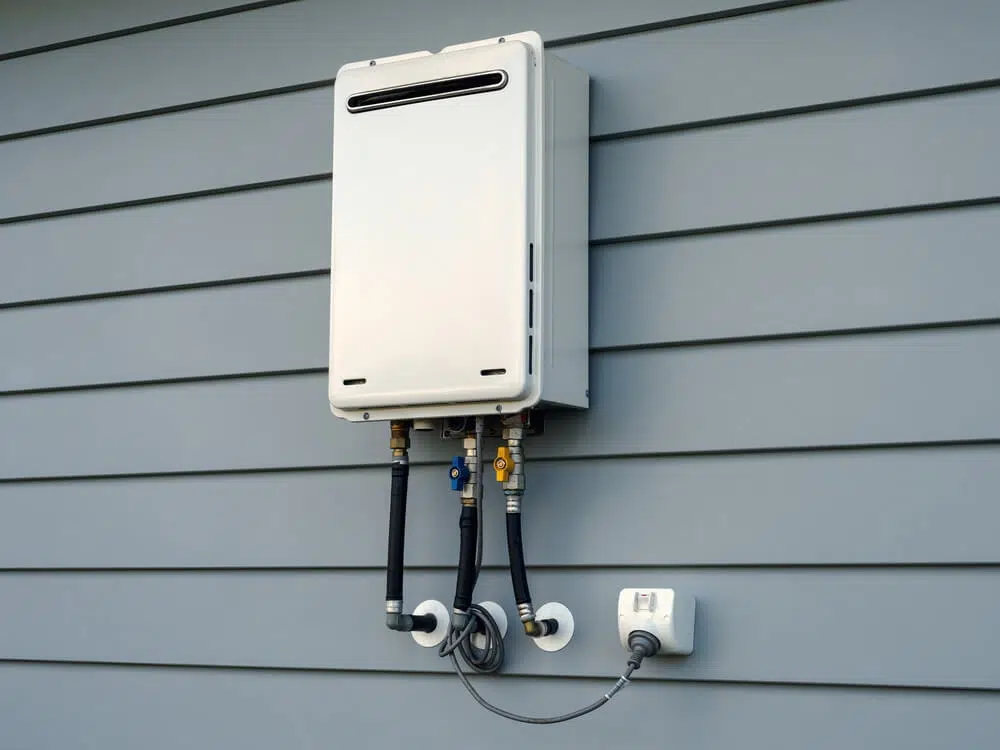
Depending on the design, tankless units use either gas or electricity to heat the water. Electric models pass water over electrical heating elements, while gas-fired models use burners that ignite to heat the water directly. The absence of a storage tank and the use of powerful heat exchangers allow for rapid temperature increases, delivering hot water swiftly to your faucets or appliances.
Energy Efficiency
One of the main benefits of tankless water heater systems is their energy efficiency. Because they heat water on demand, there’s no standby energy loss that’s common with storage tanks. This efficiency, particularly in the water heater, translates into lower utility bills and reduced environmental impact. Tankless heaters often have a longer lifespan than their tank counterparts due to less corrosion risk, contributing to less waste and further environmental benefits.
Environmental Benefits
The environmental advantages of tankless water heaters are significant. By heating only what you need when you need it, these water heater systems conserve energy and reduce greenhouse gas emissions from burning fuel. They also take up less space than traditional water heater tanks, reducing material usage and offering more flexible installation options.
Pre-Purchase Considerations
Hot Water Needs
Before investing in a tankless water heater, it’s crucial to assess your home’s hot water requirements. The number of occupants and simultaneous usage directly influence the size and type of water heater unit needed. For instance, a large family often means more showers, dishes, and laundry, requiring a robust water heater system. Conversely, smaller households might manage with a less powerful water heater model. It’s not just about water heater capacity; energy efficiency also plays a part. A unit too small will work overtime, leading to premature wear and higher bills.
Space Availability
Another key factor is the space where the tankless heater will be installed. These water heater systems are compact but still need proper venting and clearance for maintenance. You must ensure there’s enough room in your chosen spot for your water heater—be it a closet, basement, or utility area. Unlike traditional water heater tanks that occupy significant floor space, tankless water heater units can be wall-mounted, freeing up valuable real estate within the home.
System Compatibility
Lastly, checking compatibility with your existing plumbing and electrical infrastructure is essential. Tankless heaters have specific requirements that may necessitate upgrades to your home systems. For example, they usually demand larger gas lines or higher electrical capacities than traditional water heaters. Professional assessment helps identify any changes needed to the water heater before installation begins.
Choosing the Right Heater
Flow Rate Calculation
To select a tankless water heater that meets your needs, calculate the flow rate required. Start by listing all fixtures that will use hot water simultaneously. This could include showers, taps, and appliances. Each fixture has an average flow rate measured in gallons per minute (GPM). Add up these rates to determine your total hot water demand. For example, if you have two showers (2 GPM each) and a kitchen faucet (1 GPM), you’ll need a heater capable of delivering at least 5 GPM.
Consider also the temperature rise needed in your location. If incoming cold water is 50°F and you want it heated to 110°F, that’s a 60°F rise. A higher temperature rise requires a more powerful heater.
Gas vs Electric
When deciding between gas and electric water heater models, consider both efficiency and utility availability. Gas heaters often provide higher flow rates, making them suitable for larger households or extreme climates where the temperature rise is significant. They typically require venting but can be more cost-effective if natural gas is readily available and affordably priced in your area.
Electric heaters are known for their high efficiency ratings (EF ratings). They’re compact and don’t need venting, which makes installation easier and more flexible. However, they might not be the best choice for homes with high hot water usage due to their lower flow rates compared to gas models.
Capacity Matching
It’s crucial to choose a heater with a capacity that matches your peak hot water demand. Overestimating leads to unnecessary energy consumption; underestimating results in cold showers during high demand periods. Consider times when multiple fixtures run simultaneously—like morning routines or family visitations—and ensure the unit can handle this peak demand.
For instance, if your household peaks at using three showers plus a dishwasher within the same hour, calculate the total GPM required at that time. Select a tankless water heater with at least this capacity to avoid disruptions in service.
Installation Guide
Mounting Process
Mounting a tankless water heater requires precision and stability. First, select a wall that can support the weight of the unit. Use a stud finder to locate the studs in the wall for secure attachment. Next, place the mounting bracket against the wall, ensuring it is level before marking drill points. Drill pilot holes and attach the bracket with heavy-duty screws.
Utility Connections
Connecting utilities is critical for function and safety. For gas-powered models, ensure the gas line is properly sized to meet your heater’s requirements. An inadequate gas line can lead to insufficient heating or even dangerous conditions. For electric models, check that your home’s electrical system can handle the additional load. Water connections should be tight to prevent leaks; use quality pipe fittings.
Ventilation Setup
Proper ventilation is crucial for safety and efficiency. Gas tankless water heaters need an exhaust vent for combustion gases. Follow manufacturer guidelines closely when installing vent pipes; improper venting can lead to carbon monoxide buildup indoors. Electric models typically don’t require venting but always confirm with installation instructions.
Configuration Settings
Once mounted and connected, configure your heater’s settings according to your needs. This includes setting temperature levels and calibrating any energy-saving features. Modern units often have digital displays for easy configuration.
Professional Assistance
Despite DIY guides, hiring a professional installer is often best for optimal performance and safety. They understand local building codes and can ensure proper installation first time around.
Pros and Cons
Endless Supply
Tankless water heaters boast a continuous hot water supply. Unlike traditional tanks, they heat water on demand. This means you can enjoy a shower without worrying about depleting the hot water reserve. They’re ideal for families needing multiple showers back-to-back or running appliances simultaneously.
Energy Savings
These heaters are more energy-efficient than their tank counterparts. With higher Energy Factor (EF) ratings, they only heat water when needed, reducing standby energy losses. Over time, this efficiency translates into lower operating costs and savings on utility bills.
Space Efficiency
Tankless models offer significant space-saving benefits. Their compact size allows installation in smaller areas, freeing up valuable space in your home. This is especially useful in apartments or houses with limited storage.
Initial Costs
However, tankless systems come with higher upfront costs. The purchase price and installation expenses can be substantial compared to traditional water heaters. It’s important to consider this investment against potential long-term savings.
Retrofitting Challenges
Retrofitting a tankless heater in place of a conventional one isn’t always straightforward. Some homes may require extensive modifications to accommodate these units, adding to the initial expense and complexity.
Peak Demand Issues
During times of peak demand, some tankless heaters might struggle to keep up. If multiple appliances are used at once, the heater’s flow rate – measured in gallons per minute (GPM) – may not suffice, impacting comfort and performance.
Temperature Inconsistency
e users report issues with temperature stability. Tankless heaters might take several seconds to adjust, leading to momentary fluctuations in water temperature—known as the “cold water sandwich” effect.
Scale Buildup
In areas with hard water, scale buildup can be problematic for tankless heaters. Without regular maintenance to manage scale, the system’s efficiency could decline over time.
Cost Analysis
Initial Investment
Tankless water heaters, known for their energy efficiency, come with a higher initial cost compared to traditional tank models. This upfront investment includes the unit price and installation fees. Homeowners can expect to pay between $1,000 to $3,000 for a high-quality tankless water heater. Installation complexity can add to this cost. However, these units often qualify for rebates and tax incentives due to their energy-saving capabilities.
Long-Term Savings
Despite the higher initial outlay, tankless water heaters offer significant long-term savings on energy bills. They heat water on demand rather than maintaining a reservoir of hot water like traditional tanks. This difference can translate into up to 34% more energy efficiency for homes using 41 gallons or less of hot water daily. Over time, these savings can offset the initial investment.
Rebates and Incentives
Governments and utility companies sometimes offer incentives to encourage the adoption of more efficient appliances. These can include direct rebates or tax credits that reduce the effective cost of purchasing a tankless model. Homeowners should research local offers which could lead to hundreds of dollars in savings.
Lifespan Comparison
The lifespan of a tankless water heater typically exceeds that of a traditional tank model—often lasting over 20 years with proper maintenance compared to 10-15 years for tank models. This extended lifespan means homeowners will not need to replace their heaters as frequently, adding another layer of cost-effectiveness.
Energy Bill Impact
On average, households save around $100 per year on gas bills after switching to a tankless system from a storage-tank model. While this might seem modest, it adds up over the lifetime of the unit. The actual amount saved will depend on individual usage patterns and local energy costs.
Maintenance Tips
Regular Upkeep
Regular maintenance is key to prolonging the lifespan of tankless water heaters. Homeowners should prioritize descaling, especially in areas with hard water. Mineral deposits can accumulate and hinder performance. It’s recommended to descale at least once a year. Some models have alert systems to remind users when it’s time.
Filter cleaning is also crucial. Users should check filters every six months, cleaning them as needed. This prevents blockages and maintains water flow.
Annual Inspections
Annual professional inspections are vital for tankless water heaters. A qualified technician can spot issues early, preventing costly repairs down the line. They ensure that all components function correctly and that the system runs at peak efficiency.
Technicians can also update firmware or software in newer models during these inspections, keeping the heater up-to-date with the latest improvements.
Water Quality
Water quality directly affects a heater’s efficiency and longevity. High levels of minerals in water can lead to scaling inside the unit. Monitoring water hardness can inform whether additional treatment systems are necessary, like water softeners.
Homeowners should be aware of changes in water taste, color, or pressure, as these may indicate underlying issues with their heater or overall water quality.
Lifespan and Long-Term Savings
Expected Durability
Tankless water heaters boast a significant advantage in longevity over traditional tank models. Homeowners can expect these modern units to last up to 20 years. This is nearly double the lifespan of standard water heaters, which typically serve for about 10-15 years before needing replacement. The extended durability stems from fewer moving parts and reduced risk of corrosion, given that water is not stored but heated on demand.
The absence of a tank also means less physical stress on the system. With proper maintenance, as outlined in the previous section, the life expectancy can even surpass two decades. These figures are not mere estimates; they’re grounded in real-world performance data.
Energy Savings
Switching to a tankless model translates into immediate energy savings for homeowners. Unlike traditional tanks, which continuously heat and reheat water, tankless heaters only use energy when hot water is needed. This on-demand approach cuts down energy consumption significantly—some households see up to a 34% reduction in heating costs if their usage is 41 gallons or less per day.
Over time, these savings accumulate. Reduced monthly utility bills make tankless water heaters an economically sound investment despite higher initial costs. They pay for themselves through lower operating expenses over their extended service life.
Environmental Impact
The environmental benefits of choosing a tankless water heater align with its economic perks. The reduction in energy usage directly correlates with decreased carbon emissions—a win for both the wallet and the planet. Over its prolonged lifespan, a single tankless unit can spare the atmosphere from substantial amounts of greenhouse gases compared to conventional storage tanks.
Summary
You’ve walked through the ins and outs of tankless water heaters, from understanding their mechanics to assessing long-term savings. You’re now equipped with the know-how to make an informed decision that suits your home’s needs and your budget. Weighing the pros and cons, you can choose the right heater, install it efficiently, and maintain it for optimal performance.
Ready to take the plunge? Go ahead, embrace the energy efficiency and endless hot water supply that a tankless system promises. If you still have questions or need guidance, don’t hesitate to reach out to a professional. Your comfort and savings are just a switch away. Let’s heat things up – responsibly, of course!
Frequently Asked Questions
How do tankless water heaters function?
Tankless water heaters instantly heat water on demand using a heat exchanger, avoiding the need for a storage tank.
What should I consider before buying a tankless water heater?
Consider your household’s hot water needs, energy efficiency ratings, fuel type, and installation requirements.
How do I pick the appropriate size tankless water heater?
Choose based on the number of fixtures and peak demand in your home. A professional can help calculate the correct size.
Can I install a tankless water heater myself?
Installation typically requires a professional due to gas lines or electrical work involved, as well as local building codes.
What are the main advantages and disadvantages of tankless water heaters?
Pros: Endless hot water supply and energy savings. Cons: Higher upfront cost and potential retrofitting challenges.
Are tankless water heaters cost-effective in the long run?
Yes, they offer long-term savings on energy bills due to higher efficiency but have higher initial costs compared to traditional tanks.
How often does a tankless water heater need maintenance?
Annual maintenance is recommended to ensure optimal performance and extend lifespan.