


HVAC Leak Sealing – How to Stop Refrigerant Leaks in Your Home

An HVAC leak sealant is a chemical additive injected into the refrigerant line, where it circulates and hardens at the leak point to seal small, slow refrigerant leaks from the inside. It will not fix a cracked coil or a major line break. For west-central Minnesota homes running AC through humid summers, a sealed system […]
Drain Guard HVAC: Ultimate Guide to Protecting Your System

Ever wondered how to safeguard your HVAC system from debris and ensure its longevity by following the manufacturers’ instructions and terms for items maintenance? A drain guard for your HVAC is a game-changer, quietly protecting your system from the unseen hazards that can lead to costly repairs. These simple yet effective devices, often overlooked by […]
HVAC Closet Doors – Types, Sizing, and Efficiency Tips
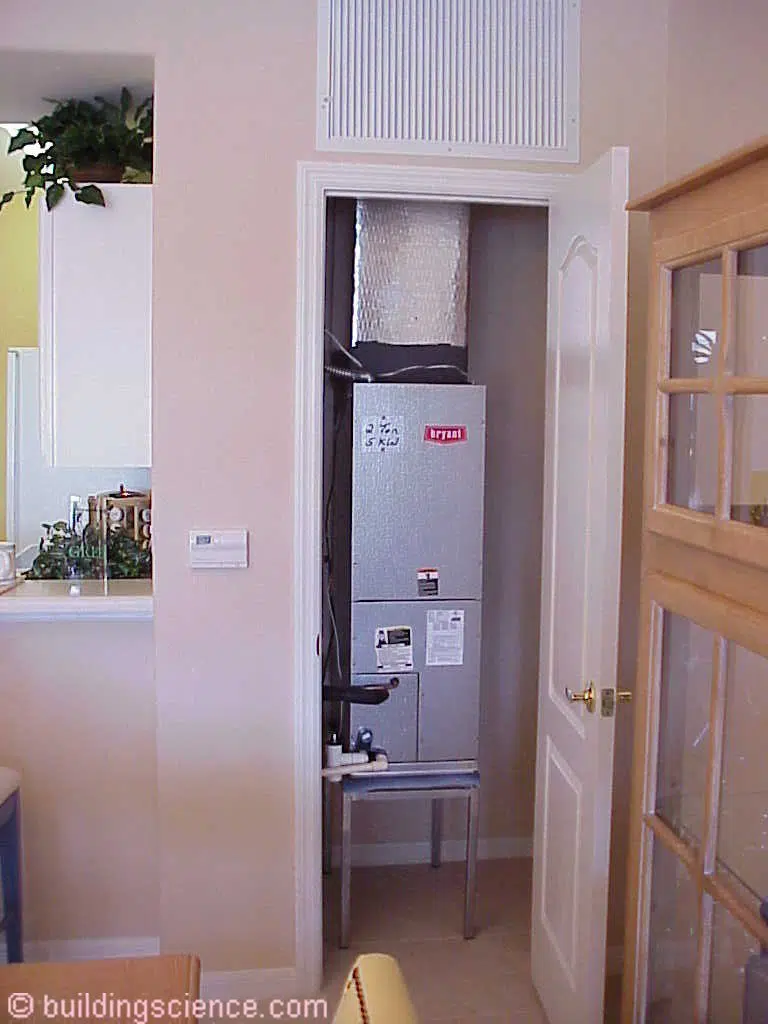
An HVAC closet door is the access panel that hides your furnace or air handler while keeping conditioned air where it belongs. The right one seals tightly for efficiency, opens easily for filter changes, and stays quiet. In west-central Minnesota, where furnaces run hard from October through March, a well-sealed, properly ventilated door protects both […]
HVAC on Roof: Optimal Choice or Costly Mistake?
Ever wondered why placing your HVACon the roof, instead of the attic or ground level, could be a game-changer for home comfort, ensuring cool air, and space efficiency, making it an ideal choice? Shifting the bulk of heating, ventilation, and air conditioning systems from ground level to the rooftop, instead of the attic, isn’t just […]
HVAC Supply and Return Vents – How Placement and Balance Work
Supply vents and return vents do opposite jobs in your HVAC system. Supply vents push heated or cooled air into each room, while return vents draw that air back to the furnace or air conditioner for filtering and reconditioning. When the two are balanced, air pressure stays even, every room reaches the same temperature, and […]
Volume Damper HVAC: Optimize Airflow & System Efficiency
Managing airflow effectively in buildings, with configurations including dynamic fire dampers for safety, has always been crucial for comfort and efficiency, tracing back to the early days of modern HVAC systems and their associated products. The dynamic fire dampers, a key product in HVAC configurations, play a pivotal role in this process, allowing precise control […]
Attic HVAC Units in West-Central Minnesota – Efficiency, Sizing, and Maintenance

An attic HVAC unit is a furnace, air handler, or condenser and its ductwork installed in the unconditioned attic instead of a basement or utility closet. In west-central Minnesota homes, that placement forces the system to fight attic temperatures that soar past 120°F in humid summers and drop well below zero in winter, cutting cooling […]
HVAC Control Board Troubleshooting: Signs, Tests, and Fixes
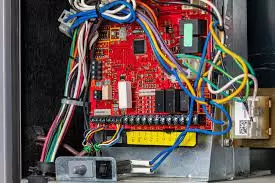
An HVAC control board is the small circuit board that tells your furnace when to ignite, run the blower, and shut down safely. Troubleshooting it means spotting failure signs, testing the 24-volt supply with a multimeter, checking fuses and connections, and ruling out a bad blower motor before you replace the board. In west-central Minnesota, […]
HVAC Smoke Detectors: A Home Safety Guide for Minnesota Homeowners
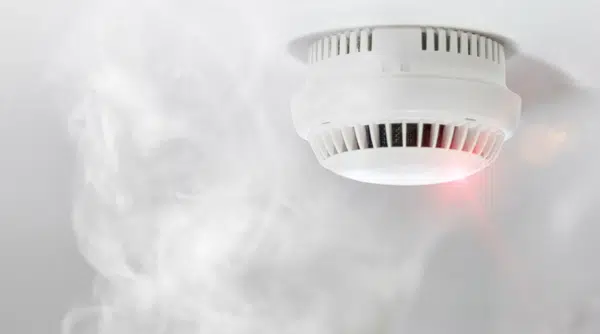
An HVAC smoke detector – also called a duct smoke detector – mounts inside your home’s heating and cooling ductwork and senses smoke moving through the airstream. When it detects smoke, it shuts the blower down automatically so your furnace or air handler stops pushing smoke from room to room. In west-central Minnesota homes, where […]
Why Lights Flicker When Your HVAC Turns On

Lights flicker when your HVAC turns on because the compressor or furnace blower pulls a large surge of current at startup, briefly dropping the voltage feeding your lighting circuits. A quick, occasional dip is normal. In west-central Minnesota homes – where furnaces cycle hard through subzero winters and AC runs through humid summers – frequent […]