


Deciding on a new HVAC system, whether a split unit or considering much ductwork and insulation, can be as complex as the maze of ducts behind your walls, involving the flow of outdoor air. What’s the real price tag, including hvac replacement cost and hvac installation costs, for comfort and efficiency in your home, as calculated by a cost calculator for homeowners money? Let’s slice through the confusion and lay out what homeowners money needs to know about HVAC system costs, considering climate zone, insulation, and stage compressor. We’re not just blowing hot air; understanding these average costs and HVAC installation expenses upfront with a cost calculator can save homeowners money and a bundle down the road. From initial purchase cost to long-term energy savings, we’ll help you gauge the investment that goes into maintaining your ideal home climate with a stage compressor.
Key Takeaways
- An HVAC system is a significant investment for your home, and understanding the costs involved is crucial for making an informed decision. Costs vary widely based on system type, size, and efficiency.
- Different types of HVAC systems, such as central air, heat pumps, or ductless mini-splits, come with varying price tags. Assess your home’s needs and system type to determine the most cost-effective option.
- Installation costs are influenced by several factors including the complexity of the installation, the size of your home, and local labor rates. Always consider these variables, including cost, when budgeting for your home’s HVAC system.
- Be aware of additional home-related expenses, such as ductwork modifications or electrical upgrades, that may not be included in the initial cost quote. These can significantly affect the overall cost.
- While DIY home installation might seem like a way to save money, it can often lead to higher costs in the long run due to potential mistakes and voided warranties. Professional installation ensures the job is done right at your home and may provide better value, considering cost.
- To save on home installation costs, look for rebates, tax credits, and special offers from manufacturers or local utility companies. Regular maintenance can also prolong the life of your home system, saving you cost and money over time.
- Choosing the right installation company for your home is essential; look for licensed, insured, and experienced contractors with positive reviews to ensure quality work and fair pricing that reflects the cost.
Understanding HVAC System Costs
Initial Expenses
The upfront cost of an HVAC system is a vital factor for homeowners. It includes home HVAC installation costs and the price of the unit itself. Typically, new home HVAC systems can cost between $5,000 to $10,000 for standard models. However, high-efficiency units may push the price higher. Homeowners should get cost quotes from several hvac contractors to compare prices.
Labor charges also play a significant role in initial home expenses. The complexity of installing much ductwork or integrating with existing home systems can increase labor costs. It’s crucial to account for these costs when budgeting for a new home system.
Operating Costs
Long-term operating costs are just as important as initial expenses. These include energy consumption, maintenance fees, and cost over the lifespan of the home system. Electric furnaces and heat pumps tend to have lower operating costs compared to oil or gas furnaces in homes. Homeowners should consider energy-efficient models to save on long-term expenses and cost.
Regular maintenance by home HVAC contractors can help avoid costly repairs down the line. They ensure that your home system runs efficiently, which keeps energy costs and bills in check.
Size and Complexity
Home size significantly impacts hvac replacement cost and installation expenses. Larger homes require systems with greater cooling capacity and more ductwork, leading to higher costs. Complex installations involving intricate zoning or advanced features like smart thermostats also add to the home’s cost and expense.
Homeowners must choose a system that matches their home’s size for optimal efficiency and comfort.
Average Costs
On average, homeowners might expect HVAC system costs ranging from $5,000 to $15,000. This range accounts for various factors such as home size, system choice, and regional labor rates.
It’s wise to invest in a quality home system upfront to avoid excessive future expenditures on energy bills and repairs.
Breakdown by System Type
Portable Units
Portable air conditioners offer a cost-effective solution for cooling single rooms in a home. These units are less expensive than permanent systems and can be moved easily. Prices for portable ACs typically start at around $300 and can go up to $700, depending on the unit size and features.
A window unit is another affordable option. It cools individual rooms without requiring extensive installation. Costs range from $150 to $500, with the price increasing with the unit’s capacity to cool larger spaces.
Central Systems
Central air conditioning systems provide whole-house cooling through a network of ducts. They are more costly due to their complexity and the need for professional installation. A basic split system starts at approximately $2,500 and can exceed $7,500 for advanced models with multiple zones or a two-stage compressor.
The climate zone where you live also impacts the cost. Homes in hotter regions may require a more robust system, leading to higher expenses. Installation costs vary widely too, often adding thousands of dollars to the total investment.
Furnace Types
Furnaces come in different types: electric, natural gas, and oil. Electric furnaces are generally cheaper to install than gas ones, with prices ranging from $1,000 to $2,500. They suit mild climates but can be expensive to operate in colder areas.
Natural gas furnaces are prevalent in many homes due to their efficiency. The installation cost ranges from $2,500 to $4,000 but can save money over time with lower utility bills.
Oil furnaces are less common and tend to be used where natural gas isn’t available. Their installation cost is similar to that of gas furnaces but requires a storage tank for the oil, which adds extra expense.
Heat Pumps
Heat pumps serve as both heating and cooling solutions. The initial outlay for heat pump installations varies greatly based on type: air-source or geothermal.
Air-source heat pumps are more affordable, costing between $4,000 and $8,000. They work efficiently in moderate climates but may struggle in extreme cold.
Geothermal heat pumps have higher upfront costs – typically between $10,000 and $20,000 – but offer significant savings in operational costs due to their high efficiency across all climate zones.
Factors Influencing Installation Costs
Cost Variables
The price of HVAC installation is not one-size-fits-all. It hinges on choices like portable AC units versus more advanced options such as geothermal heat pump systems. Portable units offer a budget-friendly solution, typically requiring less labor and no major modifications to the home. In contrast, geothermal systems involve a significant upfront investment due to their complex installation process, which often includes extensive ground or water source work.
Portable ACs are easy to install but limited in cooling capacity. They suit small spaces or as supplemental cooling. Geothermal systems, however, provide energy-efficient heating and cooling for the entire home, but their installation can be costly and requires specialized expertise.
Ductwork Considerations
Existing ductwork plays a pivotal role in central AC unit costs. Homes with ductwork in place may only need updates or repairs, leading to lower expenses. Conversely, homes without ductwork face additional costs from installing an entirely new network of ducts – a process that involves significant labor and materials.
Homes with well-maintained ducts might see slight adjustments in cost. Those needing a full overhaul or new installations can expect a substantial increase in the total price tag.
Efficiency and Brand
The efficiency level and brand of an HVAC unit are key cost influencers. High-efficiency models often command a higher purchase price but can lead to long-term savings through reduced energy bills. Less efficient units might seem cost-effective initially but could result in higher operating costs over time.
Brands also play a part; premium brands come with heftier prices but often offer better durability and warranties. Consumers must weigh immediate costs against potential future savings and benefits.
Additional Installation Expenses
Permit Fees
Homeowners often overlook permit fees when budgeting for a new HVAC system. These costs can vary depending on local regulations. They are essential for ensuring that installations meet safety standards. Municipalities may require permits before any work begins.
Permits ensure the installation complies with building codes. They protect homeowners from future legal and insurance issues. The cost of these permits adds to the upfront cost but is crucial for lawful upgrades.
Inspection Costs
After installation, inspections are mandatory to validate the work’s integrity. These additional costs may not be included in initial quotes from contractors. Inspections confirm that the system is installed correctly and safely.
Homeowners should account for this expense in their overall budget. Skipping inspections can lead to hefty fines or more serious consequences if undetected issues cause damage.
Structural Changes
Upgrading to a new unit might require changes to existing structures. This could include enlarging spaces or reinforcing areas to support heavier equipment. Such modifications add to the overall costs and extend project timelines.
These changes are necessary for optimal performance and longevity of the system. Homeowners should anticipate these potential expenses early in the planning stages.
Electrical Upgrades
e homes may need an electrical panel upgrade to handle a new HVAC system’s power requirements. Older homes especially might have outdated panels that are incompatible with modern units.
Upgrading electrical systems ensures safety and efficiency but increases the average costs of installation significantly. Homeowners must consider this when evaluating their needs and choosing a new unit.
Ventilation Improvements
New HVAC installations sometimes necessitate ventilation system updates. This ensures proper airflow and maximizes efficiency, which can save homeowners money on energy bills in the long run.
Ventilation upgrades involve additional labor and materials, impacting the overall budget. However, they improve air quality and comfort levels within the home.
Eco-Friendly Options
Opting for eco-friendly or high-efficiency HVAC units often means specialized installation services are required. These units can lower utility bills over time but come with higher upfront costs due to their advanced technology.
The investment in eco-friendly options aligns with sustainability goals and long-term savings on energy bills. Homeowners should weigh these benefits against immediate financial constraints.
DIY vs Professional Installation
Safety Concerns
Homeowners may consider tackling HVAC installation to save money. However, this approach comes with significant risks. Safety should be a top priority. Incorrect handling of electrical components can lead to serious injury or property damage. Furthermore, improper installation might cause gas leaks or poor indoor air quality by failing to manage outdoor air efficiently.
Professionals have the training to navigate these hazards safely. They know how to ensure that the system operates reliably and upholds safety standards.
Warranty Risks
DIY enthusiasts often overlook the warranty implications of self-installation. Many manufacturers invalidate warranties if a professional doesn’t install their systems. This means any savings from DIY could be wiped out by future repair costs.
It’s crucial for homeowners to read warranty terms carefully before deciding to install an HVAC system themselves. A voided warranty can lead to substantial out-of-pocket expenses if issues arise.
Expertise Gap
The complexity of HVAC systems requires a deep understanding of mechanics, electronics, and fluid dynamics. Professionals bring years of experience and expertise to the job, ensuring that installations meet specific home requirements.
They also stay updated on the latest codes and regulations, which vary by location. This knowledge is vital for passing inspections and avoiding legal issues down the line.
Long-Term Savings
While DIY installation might seem less expensive upfront, it may not be cost-effective in the long run. Professional installers guarantee their work, offering peace of mind through service warranties and support.
These guarantees protect homeowners from unexpected breakdowns and repairs that can quickly add up financially. The initial investment in professional installation often pays off through improved efficiency and longevity of the system.
Consultation Benefits
Even if homeowners are set on DIY, consulting with professionals can be invaluable. They can provide guidance on selecting the right system and identifying parts of the process suitable for DIY efforts.
Professionals can also offer advice on optimizing system performance and energy usage. Homeowners benefit from this expertise while still playing an active role in their home improvements.
Saving Tips on Installation
Off-Peak Timing
HVAC installations can be less expensive during certain times of the year. Contractors may offer discounted rates in seasons with lower demand, such as fall or spring. This is when weather extremes are less frequent and the need for heating or cooling systems diminishes. By scheduling your installation during these periods, you can save significantly on labor costs.
Homeowners should also be aware of local climate patterns. They may influence the best times to install new HVAC systems. For example, avoiding the sweltering summer months could mean not only cheaper services but also a smoother installation process due to more flexible scheduling.
Competitive Quotes
It’s wise to get multiple estimates before committing to an HVAC installation. This ensures that you receive the most competitive pricing available. Most experts recommend obtaining at least three quotes from different service providers.
Each quote should detail all costs involved, including equipment and labor. This transparency allows you to make an informed decision based on both price and the quality of service offered. Comparing quotes might also provide leverage in negotiating better terms with your chosen contractor.
Rebates and Credits
Investing in energy-efficient HVAC systems can lead to significant savings over time, not just through reduced utility bills but also via financial incentives. Many governments and utility companies offer rebates or tax credits for installing energy-saving appliances.
Before making any decisions, research available offers in your area. These incentives can substantially lower initial investment costs. Some programs require specific standards or certifications for eligibility, so ensure your chosen system meets these criteria.
Energy-efficient systems often have higher upfront costs but result in long-term energy savings. The reduced consumption aligns with environmental sustainability goals while easing monthly utility expenses.
Choosing the Right Installation Company
License Verification
HVAC installation is a critical task that demands expertise. Homeowners must ensure they hire a licensed contractor. This guarantees adherence to industry standards and local regulations. A licensed HVAC company carries both credibility and accountability.
Insurance is equally vital. It protects homeowners from liability in case of accidents during installation. Always ask for proof of insurance before hiring an HVAC installer.
Reputation Assessment
The reputation of an HVAC company speaks volumes about their service quality. Reading online reviews provides insights into customer satisfaction levels. It’s also wise to request references directly from the company. Past clients can share their experiences, helping you make an informed decision.
A reputable company often has a history of completing projects successfully. They should have experience with installations in buildings similar to your new home or project.
Warranty Importance
Ensuring your investment is protected is crucial when installing an HVAC system. Look for contractors offering solid warranties on their workmanship and the equipment, like compressors. This shows confidence in their service quality and product reliability.
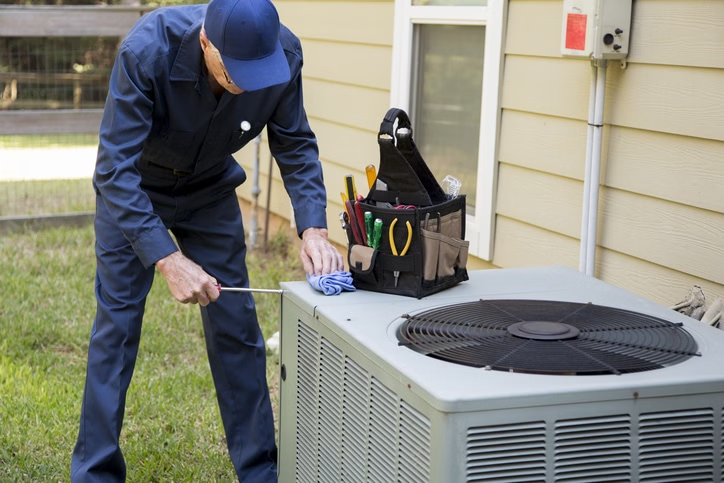
After-installation support is another sign of a great option for an HVAC company. It means they stand behind their work and are ready to address any issues that may arise post-installation.
Size Considerations
Selecting the right size HVAC system cannot be overstated. An oversized or undersized unit can lead to inefficiencies and increased costs over time. The best HVAC companies will perform a detailed assessment of your building to determine the appropriate size for maximum efficiency.
Contractors should consider factors such as square footage, insulation levels, and climate when sizing an HVAC system. Trustworthy companies will explain these considerations clearly, ensuring you understand the rationale behind their recommendations.
Answering Common Questions
Cost Misconceptions
HVAC system installation costs can be misleading. Homeowners often believe the price they see advertised is the final figure. However, it’s vital to get multiple quotes. Different companies offer varying rates and service packages. For instance, a popular choice for one home may not suit another due to differences in room sizes and layouts. It’s crucial to compare quotes and consider all options before making a decision.
An average price online might not include necessary add-ons like ductwork adjustments or special features for energy efficiency. Remember, the lowest quote may not always mean the best value for money.
System Lifespan
How long should an HVAC system last? Typically, a well-maintained unit can function effectively for 15-20 years. Signs that you might need a replacement include frequent repairs, rising energy bills, or inconsistent temperatures in different rooms of your home.
Maintenance Tips
Regular maintenance is key to extending the life of your HVAC system and ensuring its efficiency. Replace filters every few months to prevent dust and debris from clogging the system. Schedule annual professional check-ups to catch potential issues early on. Keep outdoor units free from leaves and other obstructions that could hinder performance.
Efficiency Improvement
Improving your HVAC system’s efficiency saves money and prolongs its lifespan. Seal windows and doors to prevent air leaks. Use programmable thermostats for better temperature control when you’re away or asleep. Ensure your home has proper insulation; this keeps warm or cool air inside, reducing the workload on your HVAC unit.
Final Remarks
Navigating the maze of HVAC system costs can be daunting, but you’ve now got the blueprint. Whether it’s sifting through system types, weighing installation factors, or cracking the code on additional expenses, you’re equipped to make savvy decisions. Tackling this project with a blend of DIY gusto and professional insight could trim your budget, not your comfort. And choosing the right installation crew? It’s like finding the missing piece in a puzzle – invaluable.
Don’t let cost queries cloud your climate control dreams. Dive into action, pick that perfect system, and cozy up to savings and efficiency. Got more questions? Reach out to local experts or hit the web for deeper dives. Your ideal HVAC solution is just a decision away. Ready to breathe easy in your perfectly tempered space? Let’s make it happen!
Frequently Asked Questions
How much does a typical HVAC system cost?
Expect to shell out anywhere from $3,000 to $7,000 for a standard HVAC system. High-end models can hit the $10,000 mark.
Does the type of HVAC system affect the installation cost?
Absolutely! A split system might be more wallet-friendly than a geothermal setup, which can run a pretty penny due to its complexity.
What factors can drive up the cost of installing an HVAC system?
Size matters – bigger homes need beefier systems. Also, ductwork drama and high-efficiency desires can bump up your bill.
Are there hidden costs when installing an HVAC system?
You bet. Permits, inspections, and any extra work like duct modifications can creep onto your invoice.
Is it cheaper to install an HVAC system myself?
DIY cuts labor costs but risks expensive mistakes. Unless you’re a pro, it’s usually best to leave it to the experts.
Any tips for saving on HVAC installation?
Sure thing! Snag rebates, shop off-season deals, and don’t be shy about comparing quotes.
How do I pick the right company for my HVAC installation?
Do your homework – check reviews, ask about experience, and make sure they’re licensed and insured. Your peace of mind is worth it.