


Key Takeaways
- For instance, sump pumps usually last around 7 to 10 years and life expectancy depends on pump type, quality, installation and run time. Schedule regular inspections to maximize service life.
- Select the perfect pump for your needs. Submersible versus pedestal models, matching horsepower to water load, and corrosion-resistant materials and solid warranties are important.
- Monitor wear and water quality. Log run times, inspect for debris or mineral deposits, and remove the clogs by cleaning the pit and intake screens at a minimum of twice a year.
- Preserve installation integrity, ensuring correct discharge routing, sealed basins, and properly functioning float switches and check valves to prevent recirculation and early failure.
- Incorporate backups like battery backups or a second pump to distribute wear, safeguard against outages and increase the lifespan of the system.
- Make the decision to repair or replace based on age, cost of repair compared to replacement, and how bad the failure. Change out pumps around or beyond seven to ten years or those with repeated issues.
How long does a sump pump last? Its lifespan depends on pump type, motor quality, and frequency of sump pump operation during wet seasons.
Routine inspections, cleaning the pit, and replacing worn parts extend a pump’s life. Homeowners can anticipate less lifecycle in systems with many cycles or clogged intakes.
The body details wear indicators, maintenance measures, and replacement timing.
The Lifespan Equation
The average lifespan for a sump pump is 7 to 10 years, but this range can vary significantly based on several factors. Homeowners can extend the lifespan of their sump pump system through simple maintenance, such as routine care that includes cleaning, testing, and having a local plumber inspect it regularly. This diligence can help prevent costly water damage and ensure the unit remains functional.
1. Pump Type
Submersible pumps are quieter and lie in the pit. They contend with constant exposure to wet, dirty conditions and frequently exhibit a useful life of around 5 to 7 years. Pedestal pumps position the motor above the pit. They tend to last longer, more like 7 to 10 years, because the motor never comes into contact with water.
Horsepower matters. A correctly sized motor handles peaks without strain, but an oversized motor that cycles on and off frequently can wear faster.
Pros and cons: submersible units save space and noise but may corrode faster. Pedestal pumps are easier to service but can be louder and less suited for deep pits.
2. Build Quality
Materials and design establish a floor for lifespan. Pumps constructed of corrosion resistant metals or premium plastics withstand pit conditions and mineral attack. Manufacturer reputation, warranty length and published reliability statistics are helpful selection signals, and units with longer warranties tend to reflect a higher level of confidence.
Seek out durable seals and impellers. Cheap seals leak, cheap impellers clog and break. If your home has high groundwater or experiences heavy storms, opt for heavy-duty models rated for continuous or high-cycle use.
3. Usage Frequency
Pump run frequency is a primary wear driver. Systems that cycle dozens of times during storms or constant seepage experience bearing and switch wear earlier. Basements with deep pits or ongoing infiltration need more durable pumps or a staged setup: a primary pump plus a backup to share load.
A basic log of run times and alarm occurrences can help you anticipate service intervals and when to replace. If a pump is older than seven years and runs frequently, schedule for replacement.
4. Water Quality
Rubble, sand, iron and mineral water cut short life. Screens and inlet filters prevent sediment from reaching the impeller, and seasonal cleaning clears away mineral build-up. Hard or corrosive water demands particular materials and more frequent inspections.
Flush the inlet screen and impeller periodically. This straightforward measure frequently adds years to service life.
5. Installation Integrity
Installation keeps tons of failures from ever happening. Proper discharge routing, a sealed basin, level mounting, and working float switches and check valves minimize head and recirculation.
Misalignment or incorrect pipe size places additional strain on the pump, resulting in premature failure. Pro installation reduces future danger.
Failure Clues
Fail clues caught early on sump pumps can prevent costly water damage and extensive repairs. Homeowners should monitor eccentric behavior and physical symptoms of their sump pump system, as these warning signs can help you intervene before a minor issue escalates into a flooded basement. Here are the main failure clues to look for, what they signify, and actionable next steps.
Strange Noises
Grinding, rattling, gurgling or screeching? These usually indicate wear to the motor or a clogged impeller. These sounds can begin faint and intensify over weeks.
Turn off the pump and remove the lid. Twigs, small stones or fragments of broken plastic can wedge the impeller and cause it to grind. A loose motor mount or worn bearings produce rattling and will deteriorate if not repaired.
If you hear high-pitched screeching, the motor may be overheating or rubbing against the housing. Failure clues – investigate noises quickly. Running noisy can destroy a motor.
Replace seals and damaged impellers when discovered, or exchange the pump if components are no longer obtainable. A noisy pump is no mere annoyance. It’s the canary in the coal mine of failure.
Constant Running
A pump that runs non-stop may be undersized for the inflow or stuck in the on position. This constant run can burn out the motor. Continuous running shortens the pump life and increases electric bills.
Check for stuck or misaligned float switches. Then verify the discharge line isn’t blocked or frozen. Think if groundwater or heavy rain surpasses the unit’s capabilities.
If the pump cannot keep up, you can either install a higher-capacity pump, add a secondary pump, or improve external drainage to reduce the load. Minor tweaks to the float arm often bring cycles back to normal.
Visible Rust
Rust on the housing, bolts or inner mechanism indicates water seepage and age. Corrosion can cause leaks, short-circuits, or structural components that break when loaded.
You can slow surface rust with cleaning and protective coatings, but deep pitting or flaking metal demands replacement. Select pumps with stainless or coated components in wet areas and implement rust test checks as part of monthly inspections.
Corrosion can pollute pumped water, which is important if water disposal regulations are in place.
Irregular Cycles
Short cycling—on/off every few minutes—or random starts frequently indicate float switch malfunctions or improper pit sizing. A sticky float will cause false cycles.
Test the float for free, smooth travel. If the pit’s too small, the pump will cycle excessively as the water rises and falls rapidly. Short cycling can signify that the pump is having a hard time keeping up with the volume coming in and not finishing full cycles.
Change bad switches, excavate a bigger pit, or install a bigger pump for less wear and longer life.
Extending Longevity
A sump pump, particularly a submersible pump, has an average lifespan of seven to ten years when properly maintained. With simple maintenance and care, homeowners can delay wear, avoid costly home repairs from sump pump failure, and keep the system running close to that projected lifetime. The following steps describe daily maintenance tasks, inspection timing and methods, testing, and record keeping that all help extend a pump’s useful life.
Routine Testing
- Periodically test your sump pump at least monthly by pouring water into the pit and ensuring it switches on automatically. Add water continuously until the float is up and the pump operates. Take care for easy start-up. A slow or labored start may indicate a weak motor or sticking float.
- Test float switch, impeller and discharge lines for smooth operation. Turn the float by hand to check it moves freely. Examine the impeller zone for deterioration or blockage.
- Mark test results in a maintenance log. Record date, run time, how it played, and quirks. Over months, you observe trends that indicate impending failure.
- If systems fail to start or behave erratically, act immediately to prevent floods. If your pump goes out during a test, switch in a spare right away or call a professional. Using a defective pump in a storm puts your basement at risk of flooding and even more damage.
Pit Cleaning
- Eliminate dirt, debris, and sediment from the sump pit to avoid clogs and pump damage. Take advantage of a mini bucket or wet vac to lift out solids instead of rinsing them into the pump.
- Hose down the pit at least twice a year, particularly after heavy rains or storms. More frequent cleaning is prudent where dirt or silt is heavy.
- Look for mold, mildew, or standing water which could indicate drainage issues. Continuous moisture may indicate that the pump is not cycling or that the drain field is saturated.
- Keep the sump pump basin clear to maximize water pumping capacity and efficiency. A clean pit minimizes motor effort and decreases the risk of early abrasion.
Discharge Pipe
- Check your discharge pipe for clogs, leaks, or freezing that could cause backup or overflow. Look both within and beyond the immediate course.
- Just make sure the pipe dispenses water far enough away from your foundation so that it doesn’t get recirculated back. Spray for a few meters away, or preferably into an authorized storm drain.
- Flush out sediment and inspect for fractures or loose connections in the discharge piping. Tiny tears reduce pressure and strain the pump.
- Upgrade to bigger or insulated pipes if you’re facing regular clogs or cold weather problems. Insulation avoids freeze ups, and a larger diameter means less clogging and less motor stress.
Document all maintenance and repairs of your sump pump system. A transparent service history informs replacement decisions, especially as the actual lifespan approaches year 10.
The Backup Factor
A backup factor refers to a secondary system or sump pump that activates when the primary system fails, providing an extra level of defense against basement flooding. This section discusses the importance of backups, the various kinds to consider, and how to size and care for them, ensuring they prolong the life of your entire sump pump system and minimize the risk of costly water damage.
Shared Burden
Workload splits between primary and backup pumps to reduce wear on each. By employing two pumps with a shared load, you reduce the duty cycle on each. For instance, a main pump with high daily inflow and a smaller secondary pump dealing with surges will keep the main from running all the time during extended storms.
Backup factor, switch the pump that is being tested during normal testing so both are working. During monthly tests, run the primary alone one week and then the backup the next. This detects leaks in their infancy and prevents seals and bearings from seizing.
One homeowner I worked with discovered a stuck float because they had never run the backup. The test caught it before a storm.
Sizing Backup Pumps
Size backup pumps to basement area and anticipated water load. Backup should be enough litres per minute to keep the basin from overflowing. Estimate anticipated flow based on local rain rates and your basement surface area.
Select a backup with a capacity close to that. If in doubt, opt for a unit similar to the main pump so you’re not undercutting in heavy events. Track pump run times to even out wear and prolong system life.
Maintain a straightforward journal consisting of dates, lengths, and causes of triggering. Over months, you notice patterns indicating upgrades or drainage changes needed. They come in handy when you’re claiming warranties or explaining performance to service technicians.
Peace of Mind
Confidence with backup power! You never know when the power might go out or the pump might fail. Battery-powered backups deliver autonomy during outages. Their runtime varies by battery size and pump draw.
It ranges from roughly 6 hours on the low end for small configurations to a few days or more with larger battery arrays and small duty cycles. Here’s the backup factor: ease your worry over expensive water damage.
Pumps in multiples are a regular thing. Some residences opt for a dual electric pump solution. Others combine an electric primary with a battery backup. Each approach has merits. Identical second pumps simplify parts and service. Battery backups add protection during outages.
Value of Backup Systems
Focus on its worth to owners with finished spaces and/or valuables. Maintenance and inspection of both systems keep them ready. Swap backup batteries every three to five years and test monthly.
Advantages of backup include continuous protection, lower repair expenses, simplified insurance claims, quicker recovery, and better resale value.
Repair or Replace?
Repair or replace your sump pump system… it depends. Consider the pump’s age, how frequently it runs, and the potential for sump pump failure during a heavy rainstorm. A little evaluation today can spare homeowners costly water damage and prevent permanent damage later.
Cost Analysis
Fix or toss? Throw in parts and labor along with any service call charges. If repairs are recurring or the total repair costs reach 50% or more of a new unit, replacement typically makes more sense.
Consider possible savings on energy bills and increased efficiency with a new unit. Newer submersible pumps operate more quietly and consume less power than older or pedestal units. In a few years, reduced electricity consumption and fewer calls to the repairman will pay for the cost.
Factor in the risk of expensive home damages from pump failure. When a pump fails in a storm, the costs of water damage, mold remediation, and structural repairs can overwhelm any pump expenses. Treat that risk as overhead when comparing options.
| Item | Typical Cost (USD) | Notes |
|---|---|---|
| Minor repair (parts + labor) | 50–200 | Float switch, minor seal, wiring fix |
| Major repair (motor or impeller) | 200–500 | Depends on parts availability |
| New pedestal pump | 120–300 | Simpler, shorter lifespan |
| New submersible pump | 250–700 | Longer life, quieter, more efficient |
| Installation labor | 100–400 | Varies by region and complexity |
| Potential water damage repair | 1,000–10,000+ | Depends on extent of flooding |
Age Consideration
Replace any sump pumps that are 7 to 10 years old or display consistent wear. Most pumps will run between seven and ten years. Submersible models generally last a bit longer than pedestal units.
If a pump is more than 10 years old and is showing signs of wear, schedule for replacement. Watch older pumps for wear, inefficiency or frequent breakdown. Maintain a basic record with the date of installation and service visits.
This aids in determining when proactive replacement is smart to prevent emergencies. It’s fix it or replace it? Replace it before it gives out during the next hard rain. If possible, schedule replacement in dry months to minimize risk and give you time to select the optimal model and installer.
Record the installation date and monitor age for timely upgrades.
Failure Severity
Determine if the damage is catastrophic or just a small glitch. A pump that won’t start, just hums and doesn’t pump or overheats requires immediate attention and if it’s old, replacement.
Choose immediate replacement if the pump cannot cope with the water load or exhibits significant damage. If the motor is burned or the housing cracked, then repair is unlikely. Replace particularly if the unit is beyond its average lifespan or has chronic problems.
Fix float switch tuning, intake jams, or small leaks if the pump is less than 7 years old and otherwise good. Use severity as a guide to set urgency and scope of action. Fix small faults fast and replace large failures promptly.
Beyond The Box
Thinking beyond the sump pump itself is key to keeping a sump pump system running well. The pump’s lifespan depends not only on motor quality but on the whole basement setting: soil saturation, drainage paths, foundation condition, humidity, and how often the pump runs. Tackling these things decreases the risk of sump pump failure and makes room for innovative solutions and hacks that match local circumstances.
The Human Element
Homeowner vigilance is crucial in preventing sump pump failure. Frequent visual inspections of the pit, float, and discharge line can catch clogs, frozen pipes, or a stuck float before it leads to costly water damage. Train family members to listen for strange sounds, constant cycling, or water stains on walls and floors, allowing any sump pump problems to be logged quickly.
Set a simple routine that includes monthly quick checks, quarterly test runs, and an annual cleaning. Keeping a short checklist near the unit ensures anyone in the home can follow the steps: unplug power, remove debris from the pit, inspect the float, and run the pump with a bucket to confirm operation. It’s these little maintenance tasks that stop a lot of costly home repairs.
Have professional inspections made every 12 months or when you sense shifting performance. A licensed plumber can measure amperage draw, examine check-valve function, and detect subtle problems like motor overheating or wiring defects. Mixing DIY tests with professional inspections can help extend the lifespan of your sump pump system and preserve the warranty.
Develop a proactive mentality. Encourage family members to record pump activity during heavy rainstorms and perform minor maintenance afterward. Collaborative brainstorming can lead to innovative solutions when new sump pump issues arise, as a group can often identify fixes that an individual might overlook.
The Environmental Shift
Weatherguard – Changing weather patterns mean changes in maintenance and sometimes hardware. More frequent heavy rains raise ground water and increase run time which shortens motor life. Monitor local trends: rising groundwater or new surface water issues near your property mean higher workload for the pump.
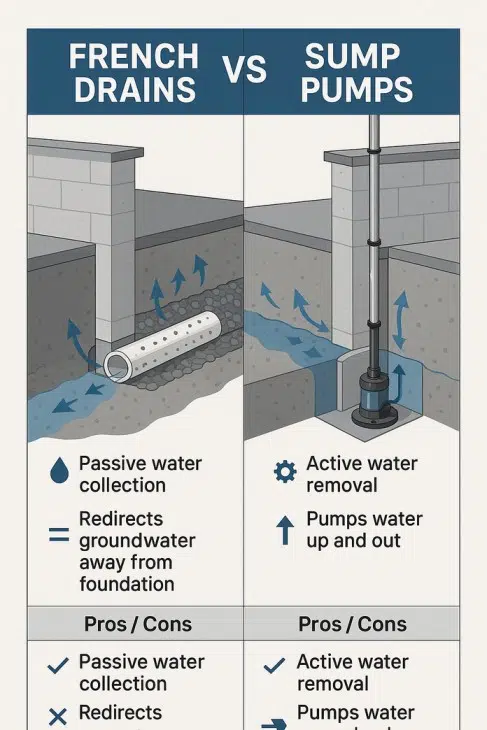
Upgrade where needed: larger capacity pumps, duplex systems, or battery backup can handle higher water tables and ensure reliability during power outages. Supplement or upgrade French drains, gutters, and exterior grading to redirect water from the foundation and minimize pump cycles.
Complement moisture control with dehumidifiers and waterproof membranes to keep humidity at bay and reduce corrosion risk. Check foundation cracks and have foundation repairs done if hydrostatic pressure pushes water inward.
Be mindful of local watersheds and community drainage projects that could affect where the water flows near your home.
Conclusion
The majority of sump pumps have a lifespan of 5 to 15 years. Basic models lean toward the low end. Cast-iron or well-built units hit the upper end. Intensive usage and dirty water reduce longevity. Search for slow start, weird noises, over-cycling, or leaks.
Keep pumps clean, test twice yearly, and swap batteries on backups every 3 to 5 years. Tighten fittings and clean out the pit to reduce stress. Select a pump rated for your specific home and local water flow. For older pumps with recurring problems, replacement is cost-effective and less stressful.
For a pump check or model pick, read product specs, compare flow rates, and get a pro opinion if you spot odd sounds or water near the floor.
Frequently Asked Questions
How long does a typical sump pump last?
An average submersible sump pump, crucial for preventing costly water damage, has a lifespan of between 7 and 10 years, while pedestal pumps can last 10 to 15 years, depending on usage and maintenance.
What factors shorten a sump pump’s life?
Frequent run cycles, dirty or corrosive water, inadequate maintenance, and power outages can lead to sump pump failure, reducing the actual lifespan of your system.
How often should I test my sump pump?
Test your sump pump system every month by pouring water into the pit until it runs, and schedule an appointment for a full inspection and servicing by a local plumber once a year.
Can maintenance extend my sump pump’s lifespan?
Yes. Regular sump pump maintenance, including pit cleaning and discharge-line clearing, can extend the lifespan of your sump pump and minimize failure risk.
When should I replace rather than repair my sump pump?
Homeowners should replace their sump pump if it is older than 7 to 10 years, has had repeated failures, or shows major motor noise or overheating, as these issues can lead to costly water damage.
Do backup systems affect overall reliability?
Yes. Battery or water-powered backups enhance flood protection when power is out and lessen wear on the sump pump, increasing both reliability and homeowner peace of mind.
How can I choose the right replacement pump?
The lifespan of a sump pump is influenced by several variables, particularly matching the pump capacity to your home’s water table and pit size. Additionally, choosing quality brands and ensuring professional installation can help prevent costly water damage and sump pump failure.