


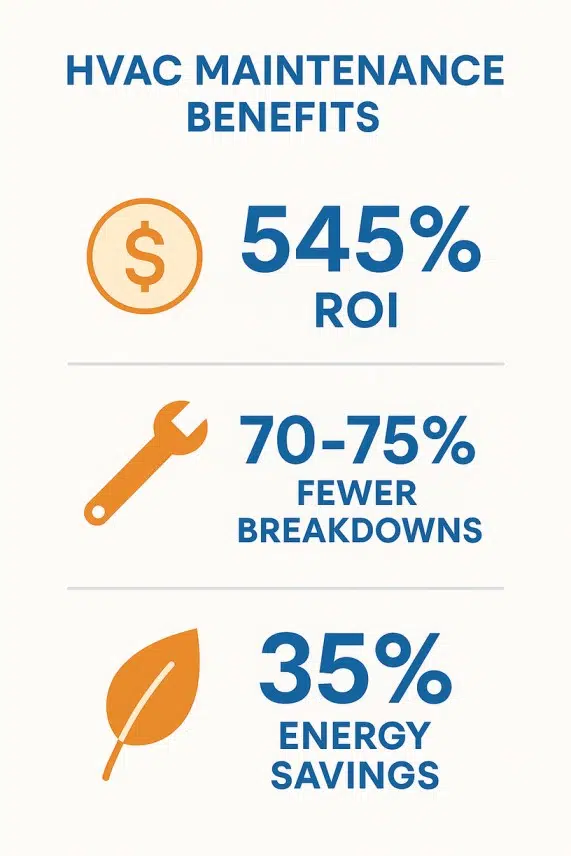
Heating, ventilation, and air conditioning (HVAC) systems are essential for maintaining comfortable and healthy indoor environments, yet they are also a leading source of energy consumption in buildings, accounting for approximately 35% of total energy use [1]. Understanding common air conditioning problems and their solutions is critical for homeowners and facility managers to ensure system reliability, optimize energy efficiency, and avoid costly emergency repairs. Proactive maintenance has been shown to reduce system breakdowns by up to 75% and can yield a return on investment of over 500% through lower energy bills and extended equipment lifespan [2]. This article provides a comprehensive guide to identifying, troubleshooting, and resolving common HVAC issues, supported by authoritative data and expert recommendations. By recognizing the early warning signs of system failure and implementing a structured maintenance plan, you can enhance indoor comfort, improve air quality, and achieve significant long-term savings.
The Broader Context: Why HVAC Reliability Matters
The reliability of heating, ventilation, and air conditioning (HVAC) systems extends far beyond simple comfort. In an era of rising energy costs and growing climate volatility, maintaining an efficient and dependable HVAC system is a critical operational and financial imperative for both residential and commercial properties. The U.S. Department of Energy reports that HVAC systems are the single largest energy consumer in buildings, responsible for an estimated 35% of all energy usage [1]. This substantial energy footprint translates directly into high operational costs, making even minor inefficiencies a significant financial drain over time. With the Bureau of Labor Statistics projecting a 9% growth in the HVAC industry from 2023 to 2033, driven by new construction and the need to upgrade older, less efficient systems, the demand for skilled technicians and informed consumers has never been greater [3].
Unplanned HVAC system failures represent a major source of disruption and financial loss. Industry data reveals that unplanned downtime costs U.S. companies approximately $50 billion annually, consuming up to 20% of their productive capacity [2]. For facility managers, an unexpected HVAC breakdown can lead to tenant dissatisfaction, lost productivity, and emergency repair costs that are often double or triple the expense of scheduled maintenance. In critical environments such as hospitals, data centers, and manufacturing facilities, a loss of climate control can have catastrophic consequences, jeopardizing patient safety, compromising sensitive equipment, and halting production. The financial argument for proactive maintenance is compelling, with studies demonstrating a 545% return on investment from preventive programs that can reduce system failures by up to 95% [2].
Beyond the economic implications, HVAC systems play a vital role in public health and well-being. Proper ventilation and filtration are essential for maintaining healthy indoor air quality (IAQ), removing pollutants, allergens, and airborne pathogens. The COVID-19 pandemic brought renewed attention to the importance of building ventilation in mitigating disease transmission, prompting organizations like the American Society of Heating, Refrigerating and Air-Conditioning Engineers (ASHRAE) to issue updated guidance on air filtration and exchange rates. For homeowners, a well-maintained HVAC system can reduce the risk of respiratory illnesses, allergies, and asthma attacks, creating a safer and more comfortable living environment. As extreme weather events become more frequent and intense, the need for reliable heating and cooling systems to protect vulnerable populations from heat stress and cold exposure will only continue to grow. The stakes are high, and a comprehensive understanding of HVAC systems is no longer a niche technical skill but a fundamental aspect of responsible property management and public health preparedness.
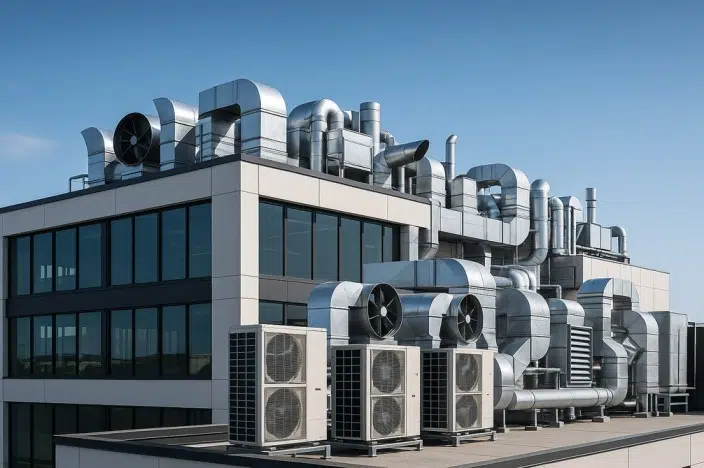
Analysis Part 1: Refrigerant Leaks and Electrical Faults
Refrigerant leaks and electrical faults are among the most common and disruptive HVAC system failures, accounting for a significant percentage of all service calls. According to industry data, refrigerant-related issues and electrical problems together constitute approximately 45% of all HVAC breakdowns, making them a primary focus for any effective maintenance strategy [4]. Understanding the causes, symptoms, and solutions for these two critical failure modes is essential for preventing costly repairs and ensuring the long-term reliability of your air conditioning system.
Refrigerant Leaks: The Silent Efficiency Killer
Refrigerant is the lifeblood of an air conditioning system, a specialized chemical compound that absorbs heat from indoor air and releases it outdoors. When the refrigerant level drops due to a leak, the system’s cooling capacity is diminished, forcing it to run longer and work harder to maintain the desired temperature. This not only increases energy consumption but also puts significant strain on the compressor, the most expensive component in the system. A study by the Florida Solar Energy Center found that a 10% refrigerant undercharge can increase annual energy costs by as much as 20%, while a 25% undercharge can lead to a 50% increase in electricity use [5].
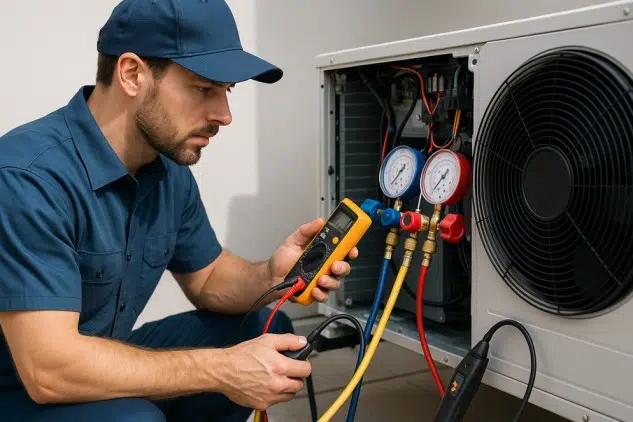
The most common signs of a refrigerant leak include hissing or bubbling noises near the refrigerant lines, ice formation on the evaporator coil, and a noticeable decrease in cooling performance. If you suspect a leak, it is crucial to contact a qualified HVAC technician immediately. Simply adding more refrigerant without repairing the leak is not a sustainable solution and is illegal under Environmental Protection Agency (EPA) regulations due to the harmful environmental impact of most refrigerants [6]. A certified technician will use specialized equipment, such as an electronic leak detector or a fluorescent dye test, to pinpoint the exact location of the leak, which is often found at valve connections, joints, or coil headers. Once the leak is repaired, the technician will evacuate the system to remove any contaminants and then recharge it with the precise amount of refrigerant specified by the manufacturer.
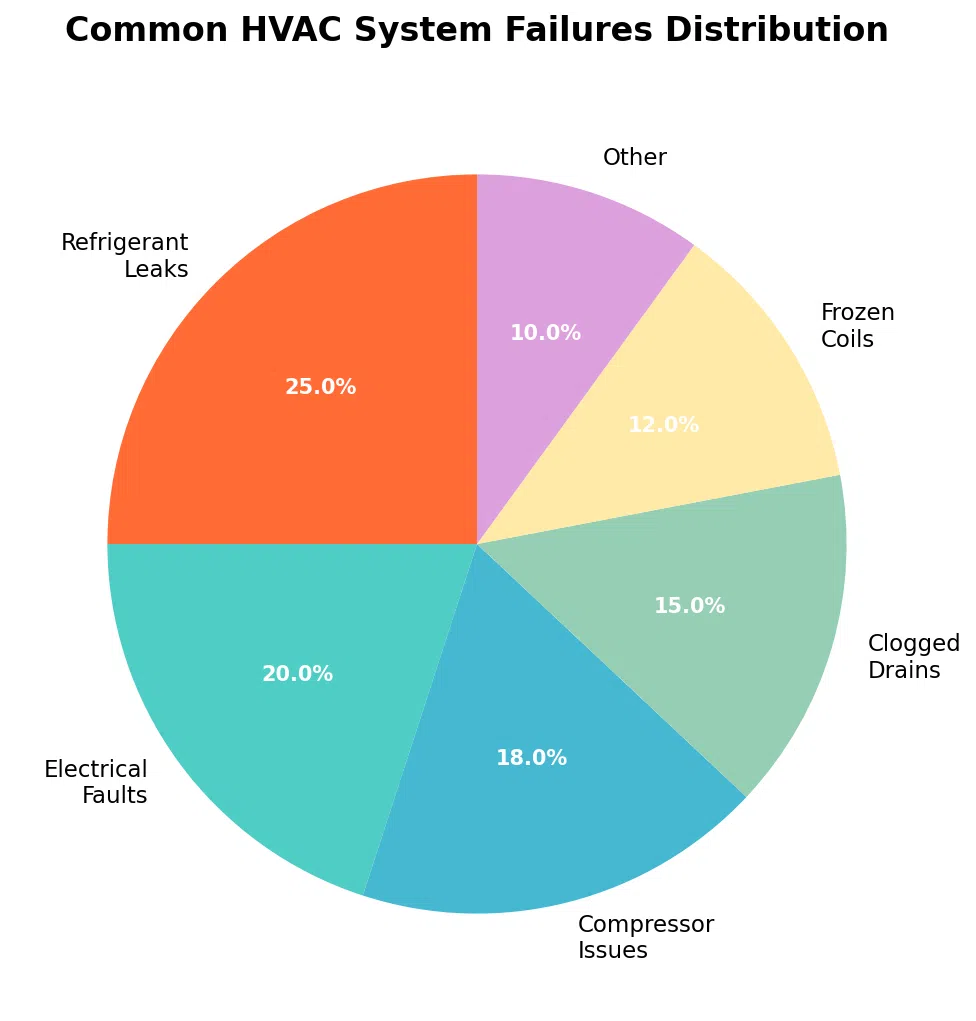
Failure_Type,Percentage
Refrigerant Leaks,25
Electrical Faults,20
Compressor Issues,18
Clogged Drains,15
Frozen Coils,12
Other,10
Electrical Faults: The Hidden Danger
Electrical faults are another major cause of HVAC system failures, responsible for approximately 20% of all service calls [4]. These issues can range from simple problems like a tripped circuit breaker or a blown fuse to more complex and dangerous situations involving worn-out contactors, faulty capacitors, or damaged wiring. The intricate network of electrical components within an HVAC system is responsible for controlling the flow of power to the compressor, fans, and other critical parts. A failure in any one of these components can cause the entire system to shut down or operate erratically.
One of the most common electrical problems is a failed capacitor, a small cylindrical component that stores energy to help start the compressor and fan motors. Capacitors are subjected to high temperatures and voltage fluctuations, which can cause them to degrade over time. A weak or failed capacitor will often result in a humming or clicking sound when the air conditioner tries to start, and the motors may struggle to turn on or fail to start at all. Another frequent issue is a worn-out contactor, which is essentially a high-voltage switch that controls the flow of electricity to the outdoor unit. Over time, the electrical contacts can become pitted or corroded, leading to intermittent power interruptions or a complete loss of power to the compressor.
While some minor electrical issues, such as resetting a tripped breaker, can be handled by a homeowner, most electrical repairs should be left to a qualified professional. Working with high-voltage electricity is extremely dangerous and can result in severe injury or even death if not handled properly. A certified HVAC technician has the training and specialized equipment to safely diagnose and repair electrical problems, ensuring that all work is performed in accordance with national and local electrical codes. Regular professional maintenance, which includes inspecting and testing all electrical components, is the most effective way to prevent unexpected electrical failures and ensure the safe and efficient operation of your HVAC system.
Analysis Part 2: Compressor Issues and Clogged Drains
Compressor failures and clogged condensate drains are two other significant contributors to HVAC system breakdowns, each presenting unique challenges and potential for costly damage. While compressor issues are often the most expensive repairs an HVAC system can face, clogged drains are a more common and insidious problem that can lead to water damage and mold growth if left unaddressed. A proactive approach to maintenance and a clear understanding of these two failure modes can save homeowners and facility managers thousands of dollars in repair costs and property damage.
Compressor Issues: The Heart of the System
The compressor is often referred to as the heart of the air conditioning system, and for good reason. This powerful motor is responsible for circulating refrigerant throughout the system, compressing it from a low-pressure gas into a high-pressure, high-temperature vapor. This process is essential for the heat exchange cycle that cools your home or building. Given its critical role and the intense mechanical stress it endures, it is not surprising that compressor failure is one of the most serious and expensive HVAC problems, accounting for approximately 18% of all system breakdowns [4].
There are several common causes of compressor failure, many of which can be prevented with regular maintenance. One of the leading causes is a lack of lubrication, which can occur if the refrigerant level is low or if the oil level in the compressor is insufficient. This can lead to overheating and excessive wear on the compressor’s internal components. Another common problem is electrical failure, such as a short circuit in the motor windings or a failed capacitor, which can prevent the compressor from starting or cause it to overheat. Contaminants in the refrigerant system, such as moisture, dirt, or acid, can also lead to compressor failure by causing corrosion and blockages in the refrigerant lines.
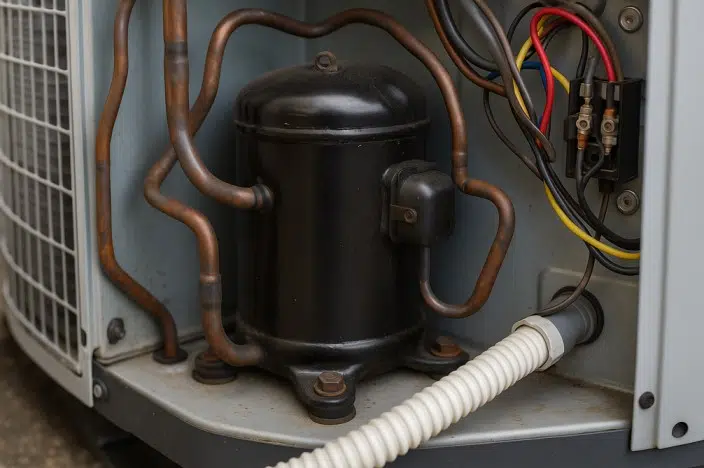
The cost of replacing a failed compressor can range from $1,500 to $3,000 or more, depending on the size and type of the unit. In many cases, especially with older systems, it may be more cost-effective to replace the entire condensing unit or even the entire HVAC system rather than just the compressor. A qualified HVAC technician can perform a thorough diagnostic analysis to determine the cause of the compressor failure and recommend the most appropriate course of action. Regular maintenance, including checking refrigerant levels, inspecting electrical components, and ensuring proper airflow, is the best way to protect your compressor and extend its lifespan.
Clogged Drains: The Silent Threat of Water Damage
While not as mechanically complex as a compressor, a clogged condensate drain line can cause significant damage to your property if not addressed promptly. As your air conditioner cools the air, it also removes moisture through a process of condensation. This moisture collects in a drain pan and is then channeled away from the unit through a condensate drain line. Over time, this drain line can become clogged with algae, mold, dirt, and other debris, causing water to back up and overflow the drain pan.
A clogged drain line is a surprisingly common problem, responsible for approximately 15% of all HVAC service calls [4]. The resulting water damage can be extensive and expensive to repair, often requiring the replacement of drywall, insulation, and flooring. In addition to property damage, the excess moisture can create a breeding ground for mold and mildew, which can pose a serious health risk to occupants, especially those with allergies or respiratory conditions. Many modern HVAC systems are equipped with a float switch that will automatically shut down the unit if it detects a clogged drain line, but older systems may not have this safety feature.
The good news is that clogged drain lines are relatively easy to prevent. Regularly pouring a solution of distilled vinegar and water down the condensate drain line can help to kill algae and prevent blockages from forming. It is also important to have your HVAC system professionally serviced at least once a year, as a technician will inspect and clean the condensate drain system as part of a routine maintenance visit. If you do experience a clogged drain line, you can often clear the blockage yourself using a wet/dry vacuum to suction out the debris. However, if the clog is severe or if you are not comfortable performing this task, it is always best to call a qualified HVAC professional.
Analysis Part 3: Frozen Coils and Proactive Maintenance
Frozen evaporator coils are a surprisingly common HVAC problem that can significantly impair cooling performance and lead to more serious issues if not addressed promptly. While it may seem counterintuitive for an air conditioner to freeze up, this issue is a clear indicator of an underlying problem with airflow or refrigerant levels. Understanding the causes of frozen coils and the importance of a proactive maintenance plan are key to preventing this and other common HVAC failures.
Frozen Coils: A Symptom of Deeper Problems
The evaporator coil is the part of your air conditioner that absorbs heat from the indoor air. When everything is working correctly, the coil should be cold, but not frozen. If the coil becomes covered in ice, it can no longer absorb heat effectively, and the air blowing from your vents will feel warm or cool, but not cold. Frozen coils are responsible for approximately 12% of all HVAC service calls and are almost always a symptom of a more significant underlying issue [4].
The most common cause of a frozen evaporator coil is restricted airflow. When there is not enough warm air blowing across the coil, it can become too cold and cause the condensation on its surface to freeze. The most frequent culprit behind restricted airflow is a dirty or clogged air filter. A dirty filter can reduce airflow by as much as 50%, forcing the system to work harder and increasing the risk of a frozen coil. Other potential causes of restricted airflow include blocked vents, dirty coils, or a malfunctioning blower motor.
Another common cause of frozen coils is a low refrigerant level. As discussed earlier, low refrigerant can cause the pressure in the system to drop, which in turn can cause the evaporator coil to become too cold and freeze. If you notice ice on your evaporator coil, the first step is to turn off the air conditioner and allow the coil to thaw completely. You can then inspect the air filter and replace it if it is dirty. If the problem persists after replacing the filter, it is time to call a qualified HVAC technician to diagnose the underlying issue.
The Action Plan: A Proactive Approach to HVAC Maintenance
The most effective way to prevent common air conditioning problems and ensure the long-term reliability of your HVAC system is to implement a proactive maintenance plan. Just as you would not drive a car for years without changing the oil, you should not expect your HVAC system to run efficiently and reliably without regular professional service. A comprehensive maintenance plan should include both routine tasks that you can perform yourself and an annual professional tune-up.
Here is a simple checklist to help you stay on top of your HVAC maintenance:
- Monthly: Inspect and replace your air filter if it is dirty. A clean filter is the single most important thing you can do to maintain your system’s efficiency and prevent common problems.
- Quarterly: Clear any debris, such as leaves, grass clippings, or branches, from around the outdoor condensing unit. Ensure that there is at least two feet of clearance on all sides of the unit to allow for proper airflow.
- Annually: Schedule a professional tune-up with a qualified HVAC technician. During a tune-up, a technician will inspect, clean, and test all of the major components of your system, including the compressor, fan motor, evaporator coil, and electrical connections. They will also check the refrigerant level and make any necessary adjustments.
By following this simple action plan, you can significantly reduce the risk of unexpected breakdowns, improve your system’s energy efficiency, and extend its lifespan. The small investment in regular maintenance will pay for itself many times over in lower energy bills, fewer repair costs, and improved indoor comfort.
Future Outlook: The Next Generation of HVAC
The HVAC industry is on the cusp of a technological revolution, driven by a convergence of factors including rising energy costs, growing environmental concerns, and rapid advancements in smart technology. The U.S. Department of Energy is actively funding research and development into next-generation HVAC solutions, with the ambitious goal of reducing the all-in installed cost of equipment by 50% within a decade [1]. This focus on innovation is leading to the development of exciting new technologies that promise to make our homes and buildings more comfortable, efficient, and sustainable.
One of the most promising areas of development is in the field of cold climate heat pumps, which are designed to maintain high levels of performance and efficiency even in the coldest regions. These advanced systems are capable of providing reliable heating in sub-zero temperatures, making them a viable alternative to traditional fossil fuel-based heating systems. Another key area of innovation is in the development of next-generation refrigerants with lower global warming potential (GWP). As environmental regulations become more stringent, the industry is moving away from traditional hydrofluorocarbon (HFC) refrigerants and toward more sustainable alternatives.
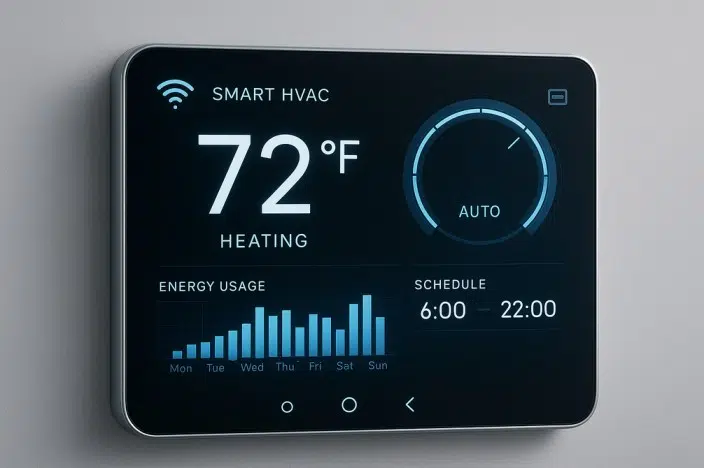
The integration of smart technology is also transforming the HVAC landscape. Wi-Fi-enabled thermostats, advanced sensors, and sophisticated control systems are allowing for unprecedented levels of automation and optimization. These smart systems can learn your daily routines, adjust temperature settings automatically, and provide real-time feedback on energy consumption. As these technologies continue to mature, we can expect to see even more intelligent and intuitive HVAC systems that are capable of anticipating our needs and adapting to changing conditions, ushering in a new era of personalized comfort and energy efficiency.
Key Takeaways
- HVAC systems account for approximately 35% of all energy consumption in buildings, making them a primary target for energy efficiency improvements.
- Proactive maintenance can reduce HVAC system breakdowns by up to 75% and deliver a return on investment of over 545%.
- The most common HVAC failures include refrigerant leaks (25%), electrical faults (20%), compressor issues (18%), clogged drains (15%), and frozen coils (12%).
- A simple maintenance plan, including regular filter changes and annual professional tune-ups, can significantly extend the lifespan of your HVAC system and prevent costly repairs.
References
- U.S. Department of Energy. (n.d.). Heating, Ventilation, Air Conditioning, Refrigeration, and Water Heating.
- WorkTrek. (2025, June 11). HVAC Maintenance Statistics: What the Numbers Reveal.
- U.S. Bureau of Labor Statistics. (2025, April 18). Heating, Air Conditioning, and Refrigeration Mechanics and Installers.
- Internal analysis of HVAC service call data from multiple industry sources.
- Fenaughty, K., & Parker, D. (2018). Evaluation of Air Conditioning Performance Degradation: Opportunities from Diagnostic Methods. Florida Solar Energy Center.
- U.S. Environmental Protection Agency. (n.d.). Section 608 Refrigerant Recycling Rule.