


For Minnesota homeowners, an annual HVAC tune-up is more than just a routine check-up; it’s a critical investment in home comfort, energy efficiency, and financial savings. With heating and cooling accounting for over half of a typical household’s energy consumption, ensuring your system runs at peak performance is essential. The U.S. Environmental Protection Agency (EPA) reports that regular maintenance, including simple tasks like changing air filters, can reduce a home’s energy bills by 5-15% [1]. This comprehensive guide explores the significant benefits of annual HVAC tune-ups, from substantial cost savings and extended system lifespan to improved indoor air quality and enhanced home comfort. By following industry-recognized best practices, homeowners can prevent costly breakdowns, optimize system performance, and ensure a healthier living environment for their families.
The Critical Context of HVAC Maintenance in Minnesota
Minnesota’s climate, with its harsh winters and hot, humid summers, places significant demands on residential HVAC systems. This constant use makes regular maintenance not just beneficial but essential for ensuring year-round comfort and system reliability. The importance of proactive maintenance is underscored by industry standards from leading organizations like the American Society of Heating, Refrigerating and Air-Conditioning Engineers (ASHRAE) and the Air Conditioning Contractors of America (ACCA). ASHRAE Standard 180, for instance, provides a framework for the inspection and maintenance of commercial HVAC systems, and its principles of preserving energy efficiency and indoor air quality are equally applicable to residential settings [2]. Similarly, ACCA’s standards for quality maintenance of residential HVAC systems provide a roadmap for homeowners and technicians to ensure systems are operating safely and efficiently [3].
The vast majority of U.S. households (87%) are equipped with air conditioning, and in a state with Minnesota’s climate extremes, a functioning HVAC system is a necessity, not a luxury [4]. However, many homeowners overlook the importance of regular tune-ups, leading to decreased efficiency, higher energy bills, and a greater likelihood of premature system failure. The U.S. Department of Energy emphasizes that proper installation and maintenance are critical for system performance, noting that installation faults can significantly impact heat pump performance, a common HVAC component in Minnesota homes [5]. By understanding the context of HVAC use in Minnesota and adhering to established industry standards, homeowners can make informed decisions that lead to significant long-term benefits.
In-Depth Analysis: The Quantifiable Benefits of Annual HVAC Tune-Ups
Energy Efficiency and Cost Savings: A Data-Driven Look
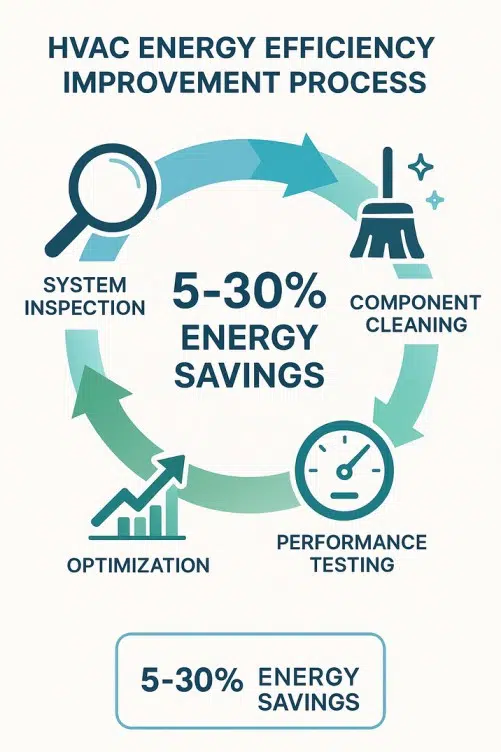
The most immediate and quantifiable benefit of annual HVAC tune-ups is the significant improvement in energy efficiency, which translates directly to lower utility bills. According to the U.S. Department of Energy, heating and cooling account for more than half of the energy use in a typical U.S. home, making it the largest energy expense for most families [6]. Therefore, even small improvements in HVAC efficiency can lead to substantial savings. The EPA and ENERGY STAR program have published extensive data highlighting the financial benefits of regular maintenance. For example, simply cleaning and replacing air filters can reduce energy consumption by 5% to 15% [1]. More comprehensive tune-ups, including coil cleaning and refrigerant level checks, can boost a system’s efficiency by up to 30%, as some utility company programs have demonstrated [7]. Furthermore, sealing and insulating ducts can improve the efficiency of the heating and cooling system by as much as 20 percent, and sometimes much more [8].
Energy Savings by Maintenance Type
The following table, based on data from the EPA and other industry sources, illustrates the potential energy savings from various HVAC maintenance tasks:
| Maintenance Task | Potential Energy Savings |
|---|---|
| Air Filter Replacement | 5-15% |
| Coil Cleaning | 8-12% |
| System Tune-Up | 10-20% |
| Duct Sealing | 15-25% |
| Complete Annual Maintenance | 20-30% |

Maintenance_Type,Min_Savings_Percent,Max_Savings_Percent
Filter Replacement,5,15
Coil Cleaning,8,12
System Tune-up,10,20
Duct Sealing,15,25
Complete Maintenance,20,30
System Longevity and Reliability: Protecting Your Investment
Beyond the immediate energy savings, annual HVAC tune-ups play a crucial role in extending the lifespan of your heating and cooling system. A well-maintained HVAC system can last 15-20 years or more, while a neglected system may fail in as little as 10 years. Regular maintenance helps to identify and address minor issues before they escalate into major problems that could lead to costly repairs or even a complete system replacement. This proactive approach is in line with the principles of ASHRAE Standard 180, which emphasizes the importance of maintenance in preserving a system’s ability to perform as designed [2].
A key aspect of system longevity is ensuring that all components are clean and functioning correctly. For example, dirty coils and filters force the system to work harder, leading to increased wear and tear on critical components like the compressor and fan motor. By keeping these components clean and well-maintained, you can significantly reduce the strain on your system and extend its operational life. The following table provides a general overview of recommended HVAC maintenance tasks and their impact on system longevity.
HVAC Maintenance Schedule and Longevity Impact
| Maintenance Task | Frequency | Impact on System Lifespan |
|---|---|---|
| Air Filter Replacement | Monthly | High |
| Coil Cleaning | Annually | High |
| Refrigerant Level Check | Annually | Medium |
| Electrical Connection Tightening | Annually | Medium |
| Moving Parts Lubrication | Annually | High |

Year,With_Maintenance_Cost,Without_Maintenance_Cost
1,200,300
2,400,600
3,600,900
4,800,2000
5,1000,2300
6,1200,3800
7,1400,4100
8,1600,4400
9,1800,6200
10,2000,6500
11,2200,6800
12,2400,9100
13,2600,9400
14,2800,9700
15,3000,13500
Case Study: A Minnesota Homeowner’s Experience
A homeowner in Hutchinson, MN, provides a compelling example of the benefits of regular HVAC maintenance. For years, they had neglected their 12-year-old air conditioning system, assuming it was working fine. However, they noticed their summer energy bills were steadily increasing. A NATE-certified technician from Northern Services performed a comprehensive tune-up and discovered that the system was low on refrigerant and the condenser coils were clogged with dirt and debris. After a thorough cleaning and refrigerant recharge, the system’s energy consumption dropped by nearly 25%, and the homeowner enjoyed a cooler, more comfortable home. This case study illustrates how a single maintenance visit can lead to significant savings and improved system performance.
Indoor Air Quality and Health Benefits: Breathing Easier at Home
The benefits of annual HVAC tune-ups extend beyond financial savings and system longevity to a crucial aspect of home life: indoor air quality. The EPA reports that indoor air can be two to five times more polluted than outdoor air, and since people spend about 90% of their time indoors, the quality of the air we breathe at home is critical to our health [9]. A well-maintained HVAC system plays a vital role in filtering out pollutants, allergens, and other airborne contaminants, creating a healthier living environment for you and your family.
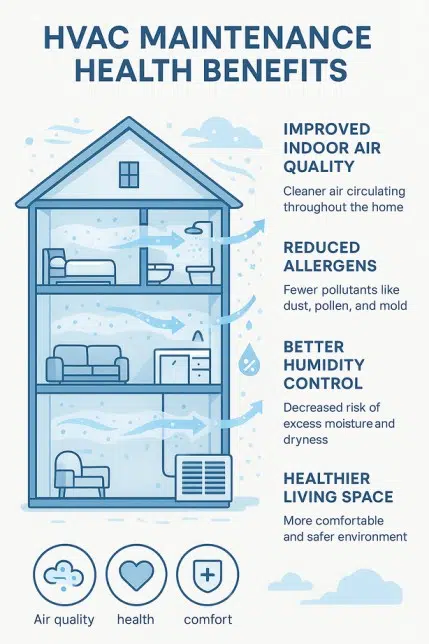
During a tune-up, a technician will clean or replace air filters, which are the first line of defense against dust, pollen, pet dander, and other allergens. They will also inspect and clean the system’s coils and ductwork, where mold, bacteria, and other harmful microorganisms can accumulate. By removing these contaminants, you can significantly improve the quality of the air circulating throughout your home, reducing the risk of respiratory problems, allergies, and other health issues. The following infographic highlights the key health benefits of regular HVAC maintenance.
Preventive Maintenance vs. Reactive Repairs: The Cost of Neglect
Many homeowners fall into the trap of reactive maintenance, only calling for service when their HVAC system breaks down. However, this approach is almost always more expensive and stressful than a proactive strategy of preventive maintenance. Research has shown that for every dollar deferred in maintenance, it can cost four dollars in capital renewal needs in the future [10]. This means that skipping a $200 annual tune-up could lead to an $800 repair bill down the road. Furthermore, predictive maintenance, which uses data to anticipate and address problems before they occur, can save an additional 8-12% over preventive maintenance, highlighting the value of a data-driven approach to HVAC care [11].
The average cost of an HVAC repair is around $351, but major repairs can easily run into the thousands of dollars [12]. By investing in annual tune-ups, homeowners can catch and address minor issues before they escalate, saving themselves from the cost and inconvenience of unexpected breakdowns. A NATE-certified technician can identify worn parts, electrical issues, and other potential problems during a routine inspection, allowing for timely repairs that prevent catastrophic failures. This proactive approach not only saves money but also provides peace of mind, knowing that your HVAC system is reliable and ready to handle Minnesota’s demanding climate.
Your Action Plan for a Healthy and Efficient HVAC System
Now that you understand the significant benefits of annual HVAC tune-ups, it’s time to take action. This seasonal checklist will help you stay on top of your HVAC maintenance and ensure your system is running at peak performance year-round.
Seasonal HVAC Maintenance Checklist
- Spring: Schedule a professional tune-up for your air conditioning system before the summer heat arrives. This should include a thorough inspection, cleaning, and performance test.
- Summer: Change your air filters monthly, especially if you have pets or allergies. Keep the area around your outdoor condenser unit clear of debris.
- Fall: Schedule a professional tune-up for your heating system before the winter cold sets in. This is a critical step for ensuring your furnace is operating safely and efficiently.
- Winter: Continue to change your air filters monthly. If you have a heat pump, keep the outdoor unit clear of snow and ice.
DIY vs. Professional Maintenance
While homeowners can perform some basic maintenance tasks, such as changing air filters, a comprehensive tune-up should always be performed by a NATE-certified technician. These professionals have the training, tools, and expertise to safely and effectively service your HVAC system, ensuring it operates at its best.
The Future of HVAC: Trends and Technologies
The HVAC industry is constantly evolving, with new technologies and regulations shaping the future of home comfort and energy efficiency. The EPA is implementing new regulations to phase out refrigerants with high global warming potential (GWP), which will impact the types of HVAC systems available in the coming years [13]. Additionally, the trend towards smart home technology is leading to the development of more sophisticated HVAC systems that can be controlled remotely and optimized for energy savings. As these technologies become more widespread, the importance of professional maintenance will only increase, as technicians will need to be trained to service these advanced systems.
Understanding HVAC System Components and Maintenance Requirements
To fully appreciate the benefits of annual HVAC tune-ups, it’s important to understand the key components of your heating and cooling system and how they work together to provide comfort and efficiency. A typical residential HVAC system consists of several interconnected components, each requiring specific maintenance to function optimally. The outdoor condenser unit contains the compressor, condenser coil, and fan, which work together to release heat from your home during cooling mode. The indoor evaporator coil absorbs heat from the air, while the blower motor circulates conditioned air throughout your home via the ductwork. Each of these components can accumulate dirt, debris, and wear over time, reducing system efficiency and potentially leading to costly repairs if not properly maintained.
During a comprehensive tune-up, a qualified technician will inspect and service each of these components according to industry best practices. The condenser coils, for example, are cleaned to remove dirt and debris that can impede heat transfer, while the evaporator coil is checked for ice buildup or other issues that could affect performance. Refrigerant levels are measured and adjusted as needed, as low refrigerant can cause the system to work harder and consume more energy. Electrical connections are tightened and inspected for signs of wear or corrosion, which can lead to system failures or safety hazards. Moving parts are lubricated to reduce friction and wear, extending the life of motors and other mechanical components. This comprehensive approach ensures that your HVAC system operates as efficiently and reliably as possible.
The Role of Air Filtration in System Performance
One of the most critical yet often overlooked aspects of HVAC maintenance is proper air filtration. Air filters serve multiple purposes: they protect the system’s internal components from dust and debris, improve indoor air quality by capturing airborne particles, and help maintain proper airflow throughout the system. However, dirty or clogged filters can significantly impact system performance and efficiency. When filters become saturated with particles, they restrict airflow, forcing the system to work harder to circulate air throughout your home. This increased workload not only reduces efficiency but also puts additional strain on the blower motor and other components, potentially leading to premature failure.
The frequency of filter replacement depends on several factors, including the type of filter used, the presence of pets or smokers in the home, and local air quality conditions. Standard fiberglass filters should typically be replaced monthly, while higher-efficiency pleated filters may last up to three months. However, homeowners should check their filters monthly and replace them when they appear dirty or clogged, regardless of the manufacturer’s recommended schedule. During a professional tune-up, the technician will inspect the current filter and recommend the appropriate type and replacement schedule for your specific situation. They may also suggest upgrading to a higher-efficiency filter if indoor air quality is a concern, though it’s important to ensure that the new filter is compatible with your system’s airflow requirements.
Seasonal Considerations for Minnesota HVAC Systems
Minnesota’s extreme seasonal variations place unique demands on HVAC systems, making proper maintenance even more critical than in milder climates. During the harsh winter months, heating systems must work continuously to maintain comfortable indoor temperatures, often running for 12-16 hours per day during the coldest periods. This extended operation increases wear on components and makes regular maintenance essential for preventing mid-winter breakdowns. Similarly, the hot, humid summers require air conditioning systems to work hard to remove both heat and moisture from indoor air, placing stress on compressors, coils, and other cooling components.
The transition periods between seasons are particularly important for HVAC maintenance. Fall tune-ups should focus on preparing the heating system for winter operation, including cleaning and inspecting the heat exchanger, checking gas connections and combustion safety, and testing the ignition system. Spring tune-ups should prepare the cooling system for summer operation, including cleaning the condenser coils, checking refrigerant levels, and testing the electrical components. These seasonal tune-ups help ensure that your system is ready to handle the demands of Minnesota’s climate extremes while operating at peak efficiency.
The Economics of HVAC Maintenance: A Long-Term Perspective
While the upfront cost of annual HVAC maintenance may seem like an unnecessary expense, the long-term economic benefits far outweigh the initial investment. Consider that the average cost of a comprehensive tune-up ranges from $150 to $300, depending on the complexity of your system and local market rates. In contrast, major HVAC repairs can cost thousands of dollars, and a complete system replacement can range from $5,000 to $15,000 or more for a typical residential installation. By investing in regular maintenance, homeowners can avoid these costly surprises while enjoying lower energy bills and improved comfort.
The return on investment for HVAC maintenance is typically realized within the first year through energy savings alone. For example, if your annual heating and cooling costs are $2,000 and a tune-up improves efficiency by 15%, you would save $300 per year in energy costs. This means that a $200 tune-up pays for itself in less than nine months, with all subsequent savings representing pure profit. Over the 15-20 year lifespan of a well-maintained HVAC system, these savings can amount to thousands of dollars, making regular maintenance one of the best investments a homeowner can make.
Environmental Benefits of Efficient HVAC Operation
Beyond the financial benefits, regular HVAC maintenance also contributes to environmental sustainability by reducing energy consumption and greenhouse gas emissions. According to the EPA, buildings account for approximately 40% of total U.S. energy consumption and 36% of greenhouse gas emissions. By ensuring that HVAC systems operate at peak efficiency, homeowners can significantly reduce their carbon footprint while contributing to broader environmental goals. A 20% improvement in HVAC efficiency, achievable through regular maintenance, can reduce a home’s carbon emissions by several tons per year, equivalent to taking a car off the road for thousands of miles.
The environmental benefits extend beyond energy savings to include proper refrigerant management and disposal. During tune-ups, technicians check for refrigerant leaks and ensure that any recovered refrigerant is properly recycled or disposed of according to EPA regulations. This prevents harmful substances from entering the atmosphere and contributing to ozone depletion or global warming. As new, more environmentally friendly refrigerants are introduced, regular maintenance becomes even more important for ensuring that systems are updated and operating with the latest, most sustainable technologies.
Choosing the Right HVAC Maintenance Provider
Selecting a qualified HVAC maintenance provider is crucial for ensuring that your system receives the professional care it needs. When evaluating potential service providers, look for companies that employ NATE (North American Technician Excellence) certified technicians, as this certification demonstrates a commitment to industry best practices and ongoing education. NATE certification requires technicians to pass rigorous exams covering installation, service, and maintenance procedures, ensuring they have the knowledge and skills necessary to properly service your HVAC system.
Additionally, consider providers who are licensed and insured, as this protects you from liability in case of accidents or damage during service calls. Look for companies that offer comprehensive maintenance agreements or service plans, which typically include annual tune-ups, priority scheduling, and discounts on repairs. These agreements not only ensure that your system receives regular attention but also provide peace of mind knowing that qualified professionals are monitoring your HVAC system’s health and performance.
When scheduling maintenance, be wary of companies that offer extremely low prices, as this may indicate that they cut corners on service quality or use the appointment as a sales opportunity rather than focusing on genuine maintenance needs. Reputable providers will offer transparent pricing, detailed service reports, and honest recommendations about your system’s condition and any necessary repairs or improvements.
The Future of HVAC Maintenance Technology
The HVAC industry is rapidly evolving with new technologies that promise to make maintenance more effective and efficient. Smart thermostats and connected HVAC systems can now monitor system performance in real-time, alerting homeowners and service providers to potential issues before they become major problems. These systems can track energy consumption patterns, identify unusual operating conditions, and even schedule maintenance appointments automatically based on system usage and performance data.
Predictive maintenance technologies, which use sensors and data analytics to anticipate equipment failures, are becoming increasingly common in commercial applications and are beginning to appear in residential systems as well. These technologies can detect subtle changes in system performance that may indicate developing problems, allowing for proactive intervention before costly failures occur. As these technologies become more widespread and affordable, they will likely become standard features in residential HVAC systems, making professional maintenance even more valuable for interpreting data and implementing recommended actions.
Despite these technological advances, the fundamental principles of HVAC maintenance remain unchanged: regular inspection, cleaning, and adjustment of system components by qualified professionals. Technology can enhance the maintenance process by providing better diagnostic information and early warning of potential problems, but it cannot replace the expertise and hands-on skills of trained technicians. As HVAC systems become more sophisticated, the importance of professional maintenance will only increase, making annual tune-ups an even more critical investment in your home’s comfort, efficiency, and value.
Key Takeaways for Minnesota Homeowners
- Annual HVAC tune-ups can reduce your energy bills by 5-30%, saving you hundreds of dollars per year.
- Regular maintenance extends the lifespan of your HVAC system, protecting your investment and delaying the need for a costly replacement.
- A well-maintained HVAC system improves indoor air quality, creating a healthier and more comfortable living environment for your family.
- Proactive maintenance is far more cost-effective than reactive repairs, saving you from the stress and expense of unexpected breakdowns.
References
- EPA: Indoor Air Quality and Energy Efficiency
- ASHRAE Standard 180
- ACCA: Quality Maintenance of Residential HVAC Systems
- EIA: Residential Energy Consumption Survey (RECS)
- DOE: Residential HVAC Installation Practices
- DOE: Heating and Cooling
- OG&E: Efficiency Programs
- ENERGY STAR: Heat & Cool Efficiently
- EPA: Indoor Air Quality
- Direct Supply: Why to Budget for HVAC Preventive Maintenance
- GridPoint: HVAC Maintenance Costs: The Ultimate Guide
- ServiceTitan: HVAC Statistics
- EPA: Purchasing and Repairing Home Air-Conditioners or Heat Pumps