


HVAC metering devices represent one of the most critical yet often overlooked components in modern heating and cooling systems, directly influencing energy efficiency by up to 20% according to industry research [1]. These precision instruments control refrigerant flow rates, with advanced thermostatic expansion valves (TXVs) capable of improving system SEER ratings by as much as 11% compared to traditional fixed orifice devices [2]. As the Department of Energy implemented new SEER2 efficiency standards in 2023, requiring minimum ratings of 14.3 SEER2 across most regions, the selection between fixed and modulating metering devices has become increasingly crucial for both residential and commercial applications [3].
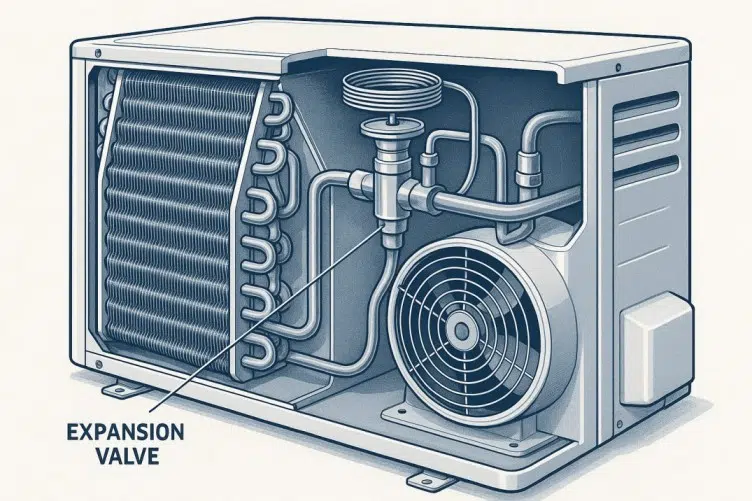
Understanding HVAC Metering Device Fundamentals
HVAC metering devices serve as the precision control centers for refrigerant systems, performing the essential function of regulating liquid refrigerant flow into evaporator coils while maintaining optimal system pressures. These devices operate on fundamental thermodynamic principles, reducing high-pressure liquid refrigerant from the condenser to the appropriate low-pressure state required for efficient heat absorption in the evaporator. The effectiveness of this process directly correlates with overall system performance, energy consumption, and operational longevity.
The primary mechanism involves creating a controlled restriction in the refrigerant circuit, allowing the system to maintain the pressure differential necessary for proper heat transfer. When refrigerant passes through the metering device, it experiences a dramatic pressure drop that causes partial vaporization, cooling the remaining liquid refrigerant to the optimal temperature for evaporator operation. This process, known as throttling or expansion, must be precisely calibrated to match the system’s cooling or heating load requirements.
Modern HVAC systems rely increasingly on sophisticated metering devices to meet stringent energy efficiency standards. The transition from simple fixed orifices to intelligent electronic expansion valves represents a significant technological advancement, enabling systems to adapt dynamically to varying load conditions while maintaining optimal performance across diverse operating scenarios. Research from the Variable Refrigerant Flow Systems review published in Energy and Buildings demonstrates that proper metering device control, particularly the simultaneous management of compressor frequency and electronic expansion valve opening, is essential for achieving maximum system efficiency [4].
Core Operating Principles
The fundamental operation of HVAC metering devices centers on three critical functions: refrigerant flow regulation, pressure control, and temperature management. Flow regulation ensures that the evaporator receives precisely the amount of refrigerant needed to match the thermal load, preventing both underfeeding and overfeeding conditions that compromise efficiency. Pressure control maintains the delicate balance between high-side and low-side system pressures, enabling optimal heat transfer while protecting system components from damage.
Temperature management involves responding to thermal changes throughout the refrigerant circuit, particularly monitoring the superheat condition at the evaporator outlet. Superheat represents the temperature difference between the actual refrigerant vapor temperature and its saturation temperature at the given pressure. Maintaining proper superheat levels, typically between 8-12 degrees Fahrenheit for most applications, ensures complete refrigerant vaporization while preventing liquid refrigerant from returning to the compressor, a condition known as floodback that can cause severe mechanical damage.
| Operating Parameter | Optimal Range | Impact of Deviation | Control Method |
|---|---|---|---|
| Superheat Temperature | 8-12°F | Efficiency loss, compressor damage | Sensing bulb, electronic sensors |
| Refrigerant Flow Rate | Load-matched | 20% efficiency reduction possible | Valve opening adjustment |
| Pressure Differential | System-specific | Poor heat transfer, component stress | Orifice sizing, valve modulation |
| Response Time | 30-60 seconds | Temperature swings, comfort issues | Control algorithm tuning |
Fixed Metering Devices: Simplicity and Limitations
Fixed metering devices represent the foundational technology in HVAC refrigerant control, operating on the principle of maintaining constant refrigerant flow regardless of system load variations. These devices include capillary tubes, fixed orifices, and piston-type restrictors, each designed to provide a predetermined flow rate based on specific system parameters established during initial installation. While their simplicity offers advantages in terms of cost and reliability, fixed devices inherently cannot adapt to changing thermal loads, resulting in suboptimal performance under varying operating conditions.
Capillary tubes, the most basic form of fixed metering device, consist of small-diameter copper tubing that creates flow restriction through friction and length. Typically ranging from 0.026 to 0.070 inches in internal diameter and 3 to 12 feet in length, these tubes provide reliable operation with no moving parts, making them ideal for residential window units and small commercial applications. However, their fixed nature means they cannot compensate for seasonal temperature variations, refrigerant charge fluctuations, or changes in system load, leading to efficiency losses during off-design conditions.

Device_Type,SEER_Rating,Energy_Efficiency_Percent
Fixed Orifice,13.0,65
Capillary Tube,13.5,68
Automatic Expansion Valve,14.2,71
Thermostatic Expansion Valve,15.4,77
Electronic Expansion Valve,16.8,84
Fixed Orifice Performance Characteristics
Fixed orifice devices utilize precisely machined openings to control refrigerant flow, with orifice diameters typically ranging from 0.040 to 0.120 inches depending on system capacity and refrigerant type. These devices operate on the principle that flow rate varies with the square root of pressure differential, meaning that changes in system pressure significantly impact refrigerant flow. During high ambient temperature conditions, increased condensing pressures can lead to refrigerant overfeeding, while low ambient conditions may result in underfeeding, both scenarios compromising system efficiency and performance.
The manufacturing precision required for fixed orifices demands tight tolerances, typically ±0.001 inches, to ensure consistent performance across production runs. However, even minor variations in orifice diameter can result in substantial flow rate differences. A 10% increase in orifice diameter translates to approximately 21% increase in flow rate, highlighting the critical importance of proper sizing and quality control during manufacturing. This sensitivity to dimensional variations makes fixed orifices less forgiving than other metering device types when system parameters deviate from design conditions.
Installation considerations for fixed orifice systems require careful attention to refrigerant charge accuracy, as these devices cannot compensate for charge variations. Research indicates that a 10% refrigerant undercharge can reduce system efficiency by 6-8%, while a 10% overcharge can decrease efficiency by 4-6% [5]. This sensitivity necessitates precise charging procedures and regular maintenance to maintain optimal performance, making fixed orifice systems more demanding in terms of service requirements despite their mechanical simplicity.
Capillary Tube Applications and Constraints
Capillary tube metering devices excel in applications requiring simple, reliable operation without external power sources or complex control systems. Their self-regulating characteristics make them particularly suitable for hermetically sealed systems where service access is limited, such as residential refrigerators, freezers, and small air conditioning units. The absence of moving parts eliminates mechanical failure modes, contributing to extended service life when properly sized and installed.
However, capillary tube systems face significant limitations in variable load applications. Unlike modulating devices that can adjust flow rates in response to changing conditions, capillary tubes maintain constant flow characteristics regardless of thermal demand. This inflexibility becomes particularly problematic in commercial applications where load variations are common, leading to efficiency penalties during partial load operation. Studies conducted by ASHRAE indicate that fixed metering devices can experience efficiency reductions of 15-25% during off-design conditions compared to properly controlled modulating alternatives [6].
The sizing methodology for capillary tubes involves complex calculations considering refrigerant properties, tube geometry, and system operating conditions. Proper selection requires accurate determination of design cooling load, condensing temperature, evaporating temperature, and subcooling levels. Even minor errors in these parameters can result in significant performance deviations, as capillary tubes lack the self-correcting capabilities of more sophisticated metering devices. This sensitivity to design accuracy makes capillary tube systems less adaptable to field modifications or system upgrades.
Modulating Metering Devices: Advanced Control and Efficiency
Modulating metering devices represent the pinnacle of refrigerant flow control technology, offering dynamic response capabilities that enable HVAC systems to maintain optimal efficiency across varying load conditions. These sophisticated devices continuously monitor system parameters and adjust refrigerant flow accordingly, providing significant advantages over fixed alternatives in terms of energy efficiency, temperature control, and equipment protection. The transition to modulating devices has become increasingly important as energy efficiency standards have tightened, with the 2006 implementation of 13 SEER requirements driving widespread adoption of thermostatic expansion valves in residential applications [7].
The fundamental advantage of modulating devices lies in their ability to maintain optimal superheat conditions regardless of system load variations. By continuously sensing evaporator outlet temperature and pressure conditions, these devices can adjust refrigerant flow to match thermal demand precisely, preventing both underfeeding and overfeeding scenarios that compromise efficiency. This adaptive capability becomes particularly valuable in variable refrigerant flow (VRF) systems, where individual zones may have dramatically different cooling or heating requirements simultaneously.

- Fixed Orifice: Simple circular restriction with no moving parts, constant flow rate regardless of conditions
- Thermostatic Expansion Valve: Mechanical sensing bulb system with adjustable superheat control and spring-loaded valve mechanism
- Electronic Expansion Valve: Digital control system with precise stepper motor positioning and real-time sensor feedback
- Response Time: Fixed (none) vs TXV (30-60 seconds) vs EEV (1-5 seconds) for load changes
- Control Precision: Fixed (±5°F) vs TXV (±2°F) vs EEV (±0.5°F) superheat accuracy
Thermostatic Expansion Valve Technology
Thermostatic expansion valves (TXVs) utilize a sophisticated mechanical control system consisting of a sensing bulb, capillary tube, diaphragm assembly, and spring-loaded valve mechanism to maintain precise superheat control. The sensing bulb, filled with the same refrigerant as the system or a cross-charged fluid, responds to temperature changes at the evaporator outlet by varying internal pressure. This pressure change acts against a spring-loaded diaphragm to modulate valve opening, creating a self-regulating system that maintains consistent superheat levels across varying load conditions.
The performance advantages of TXV systems become particularly evident in applications with significant load variations. Commercial facilities research conducted by Crockett Facilities Services demonstrates that TXV retrofits can improve system SEER ratings by up to 11% compared to fixed orifice alternatives, while simultaneously providing better temperature control and equipment protection [8]. This improvement stems from the TXV’s ability to prevent refrigerant floodback during low-load conditions while ensuring adequate refrigerant flow during peak demand periods.
Modern TXV designs incorporate several advanced features to enhance performance and reliability. Balanced port configurations reduce the influence of fluctuating evaporator pressures on valve operation, improving stability and response characteristics. External equalizer connections allow the valve to sense evaporator pressure more accurately, particularly important in systems with significant pressure drops across the evaporator coil. Adjustable superheat settings enable field optimization for specific applications, with typical adjustment ranges of 4-12°F superheat depending on system requirements.
Electronic Expansion Valve Precision
Electronic expansion valves (EEVs) represent the most advanced form of refrigerant flow control, utilizing precise stepper motor positioning and electronic sensors to achieve superheat control accuracy within ±0.5°F under steady-state conditions. These devices respond to electronic signals from system controllers, enabling integration with building automation systems and advanced control algorithms that optimize performance based on multiple system parameters simultaneously. The rapid response time of EEVs, typically 1-5 seconds for load changes, provides superior temperature stability compared to mechanical alternatives.
The integration capabilities of EEVs enable sophisticated control strategies that were previously impossible with mechanical devices. Variable refrigerant flow systems utilize EEVs to provide individual zone control, allowing simultaneous heating and cooling in different areas while optimizing overall system efficiency. Research published in Energy and Buildings indicates that proper coordination between compressor frequency control and EEV positioning is essential for achieving maximum VRF system performance, with potential energy savings of 20-30% compared to conventional systems [9].
EEV technology also enables advanced diagnostic capabilities through continuous monitoring of valve position, superheat levels, and system pressures. This data can be used for predictive maintenance, performance optimization, and fault detection, reducing service costs while improving system reliability. The ability to log operational parameters provides valuable insights into system performance trends, enabling proactive maintenance strategies that prevent efficiency degradation over time.
| Device Type | Response Time | Superheat Accuracy | Load Adaptability | Maintenance Requirements |
|---|---|---|---|---|
| Fixed Orifice | No response | ±5°F | None | Refrigerant charge critical |
| Capillary Tube | No response | ±4°F | None | System cleaning essential |
| TXV | 30-60 seconds | ±2°F | Good | Sensing bulb placement |
| EEV | 1-5 seconds | ±0.5°F | Excellent | Electronic calibration |
Energy Efficiency Impact and Regulatory Context
The relationship between metering device selection and energy efficiency has become increasingly critical as regulatory standards continue to tighten and energy costs rise. The Department of Energy’s implementation of SEER2 standards in January 2023 established new minimum efficiency requirements ranging from 13.4 to 14.3 SEER2 depending on equipment type and geographic region, effectively mandating the use of more sophisticated metering devices in many applications [10]. These standards reflect more realistic testing conditions and represent a significant step toward reducing the estimated 40-70% of commercial building energy consumption attributed to HVAC systems.
The energy efficiency advantages of advanced metering devices extend beyond simple SEER improvements to encompass real-world performance under varying load conditions. Research conducted by the Consumer Federation of America indicates that improved efficiency standards have generated over $1 billion in consumer savings, with metering device optimization playing a crucial role in achieving these results [11]. The ability of modulating devices to maintain optimal performance across diverse operating conditions translates to sustained efficiency benefits that compound over the system’s operational lifetime.
Regional Efficiency Requirements and Implementation
The geographic variation in SEER2 requirements reflects regional climate differences and their impact on HVAC system operation. Northern regions, characterized by shorter cooling seasons and lower ambient temperatures, maintain slightly lower minimum requirements of 14.3 SEER2 for split system air conditioners. Southwest and Southeast regions, with their extended cooling seasons and higher ambient temperatures, face similar 14.3 SEER2 requirements but with additional EER2 (Energy Efficiency Ratio) specifications that emphasize peak load performance.
These regional variations have significant implications for metering device selection, as systems operating in high ambient temperature environments benefit more substantially from the adaptive capabilities of modulating devices. Fixed orifice systems experience greater efficiency degradation in extreme ambient conditions, making TXV or EEV upgrades particularly cost-effective in southern climates. The payback period for advanced metering device retrofits typically ranges from 1.5 to 3 years in high-usage applications, with shorter payback periods in regions with extreme temperatures or high energy costs.
| Region | SEER2 Minimum | EER2 Minimum | Recommended Device | Efficiency Gain Potential |
|---|---|---|---|---|
| North | 14.3 | Not specified | TXV minimum | 8-12% |
| Southwest | 14.3 | 11.7 (<45k BTU) | EEV preferred | 12-18% |
| Southeast | 14.3 | 11.7 (<45k BTU) | EEV preferred | 12-18% |
Economic Analysis of Metering Device Upgrades
The economic justification for advanced metering devices involves multiple factors beyond initial equipment costs, including energy savings, maintenance requirements, equipment longevity, and comfort improvements. While electronic expansion valves may cost 3-5 times more than fixed orifices initially, their superior efficiency and control capabilities often justify the investment through reduced operating costs and improved system performance. Life-cycle cost analysis typically favors modulating devices in applications with annual cooling loads exceeding 2,000 hours or in regions with energy costs above $0.12 per kWh.
The maintenance cost implications of different metering device types vary significantly based on system complexity and application requirements. Fixed devices generally require minimal maintenance but demand precise refrigerant charging and are sensitive to system contamination. TXV systems require periodic sensing bulb inspection and superheat adjustment but provide more forgiving operation with regard to refrigerant charge variations. EEV systems offer the lowest maintenance requirements once properly commissioned, with self-diagnostic capabilities that reduce service calls and enable predictive maintenance strategies.
Commercial applications demonstrate the most compelling economic case for advanced metering devices due to their extended operating hours and higher energy costs. A typical 10-ton commercial system operating 4,000 hours annually can achieve energy savings of $800-1,200 per year through TXV upgrades, with EEV systems providing additional savings of $300-500 annually. These savings, combined with improved comfort control and reduced equipment wear, typically result in payback periods of 18-30 months for TXV retrofits and 24-42 months for EEV installations.
Performance Degradation and Maintenance Considerations
The long-term performance characteristics of different metering device types reveal important considerations for system design and maintenance planning. Fixed devices maintain consistent performance over time but cannot compensate for system changes such as refrigerant leaks, fouled heat exchangers, or component wear. This limitation means that system efficiency can degrade significantly over time without obvious symptoms, leading to increased energy consumption and reduced comfort.
Modulating devices provide inherent compensation for many system degradation modes, maintaining better performance as systems age. TXV systems can partially compensate for refrigerant charge variations and heat exchanger fouling by adjusting flow rates to maintain superheat targets. EEV systems offer the most comprehensive compensation capabilities, with advanced control algorithms that can optimize performance even as system conditions change. This adaptive capability translates to more stable long-term efficiency and reduced sensitivity to maintenance intervals.
However, the complexity of modulating devices introduces potential failure modes that do not exist with fixed alternatives. TXV sensing bulbs can lose charge over time, spring mechanisms may fatigue, and valve seats can wear or become contaminated. EEV systems face potential electronic component failures, sensor drift, and software issues that require specialized diagnostic equipment and training. Proper maintenance protocols and technician training become increasingly important as metering device complexity increases, with inadequate service potentially negating the efficiency advantages of advanced devices.
Strategic Action Plan for Metering Device Selection
Selecting the optimal metering device requires systematic evaluation of multiple factors including system capacity, application type, climate conditions, energy costs, and maintenance capabilities. The decision-making process should begin with a comprehensive assessment of current system performance and identification of specific efficiency improvement opportunities. This analysis provides the foundation for cost-benefit calculations that determine the most appropriate metering device technology for each application.
Phase 1: System Assessment and Load Analysis
Begin the selection process by conducting a thorough evaluation of existing system performance, including current SEER ratings, energy consumption patterns, and comfort complaints. Document system capacity, refrigerant type, and operating conditions during peak and partial load scenarios. If current efficiency falls below 13 SEER or if the system experiences temperature control issues, metering device upgrades should be prioritized. Systems with fixed orifices or capillary tubes operating in variable load applications represent prime candidates for modulating device retrofits.
Analyze annual cooling and heating loads to determine the potential energy savings from improved metering device control. Systems operating more than 2,000 hours annually or experiencing significant load variations throughout the day benefit most from advanced metering devices. Calculate current energy costs and project potential savings based on efficiency improvements, using conservative estimates of 8-11% for TXV upgrades and 12-18% for EEV installations. Factor in regional energy rates and utility incentive programs that may offset initial equipment costs.
Phase 2: Technology Selection Criteria
Establish selection criteria based on application requirements, budget constraints, and performance objectives. For residential applications with moderate load variations, thermostatic expansion valves typically provide the optimal balance of performance improvement and cost-effectiveness. Commercial applications with significant load variations, multiple zones, or integration requirements should consider electronic expansion valves despite higher initial costs. Industrial applications requiring precise temperature control or operating in extreme conditions may justify premium EEV systems with advanced diagnostic capabilities.
Consider the following decision matrix when evaluating metering device options:
| Application Type | Load Variation | Recommended Device | Expected ROI Period | Key Benefits |
|---|---|---|---|---|
| Residential <5 tons | Low to moderate | TXV | 2-4 years | Improved comfort, efficiency |
| Commercial 5-25 tons | Moderate to high | TXV or EEV | 1.5-3 years | Energy savings, control |
| Industrial >25 tons | High variability | EEV with controls | 1-2.5 years | Precision, diagnostics |
| VRF Systems | Extreme variation | EEV mandatory | 1-2 years | Zone control, efficiency |
Phase 3: Implementation Planning and Installation
Develop a comprehensive implementation plan that addresses equipment procurement, installation scheduling, and system commissioning requirements. Coordinate with qualified HVAC contractors who have specific experience with the selected metering device technology, as improper installation can negate performance benefits and create reliability issues. Ensure that installation teams have access to appropriate tools, including digital manifolds, superheat measurement equipment, and electronic commissioning software for EEV systems.
Plan installation timing to minimize system downtime, particularly for commercial applications where cooling interruptions can impact business operations. Consider phased implementations for multi-zone systems, allowing for performance validation and optimization before proceeding with additional zones. Establish baseline performance measurements before installation to enable accurate assessment of improvement results and validate projected energy savings.
Phase 4: Commissioning and Optimization
Proper commissioning represents a critical phase that determines the ultimate success of metering device upgrades. For TXV installations, verify correct sensing bulb placement, secure thermal contact, and proper insulation to ensure accurate temperature sensing. Adjust superheat settings based on manufacturer recommendations and specific system requirements, typically targeting 8-12°F for most applications. Document initial settings and performance parameters for future reference and troubleshooting.
EEV commissioning requires more sophisticated procedures, including electronic calibration, sensor verification, and control algorithm configuration. Utilize manufacturer-provided commissioning software to establish optimal control parameters and verify proper communication between the EEV and system controller. Test system response to load variations and adjust control parameters as needed to achieve stable operation across the full range of operating conditions.
Establish performance monitoring protocols to track energy consumption, temperature control, and system efficiency over time. Implement regular maintenance schedules that address the specific requirements of the installed metering device technology. For TXV systems, include annual superheat verification and sensing bulb inspection. For EEV systems, incorporate electronic calibration checks and software updates as recommended by manufacturers.
Future Outlook and Emerging Technologies
The evolution of HVAC metering device technology continues to accelerate, driven by increasingly stringent efficiency standards, advancing sensor technologies, and the growing integration of artificial intelligence in building systems. The next generation of metering devices will likely incorporate machine learning algorithms that optimize performance based on historical usage patterns, weather forecasts, and occupancy schedules. These intelligent systems will move beyond simple superheat control to comprehensive system optimization that considers multiple variables simultaneously.
Emerging refrigerant technologies, particularly the transition to lower global warming potential (GWP) alternatives, will require corresponding advances in metering device design. New refrigerants such as R-32, R-454B, and R-466A exhibit different thermodynamic properties that may necessitate modified control algorithms and hardware configurations. Manufacturers are already developing specialized metering devices optimized for these next-generation refrigerants, with enhanced materials and coatings to ensure long-term compatibility and performance.
Integration with Smart Building Systems
The integration of metering devices with comprehensive building automation systems represents a significant opportunity for further efficiency improvements. Advanced EEV systems are increasingly incorporating Internet of Things (IoT) connectivity, enabling remote monitoring, predictive maintenance, and cloud-based optimization services. These connected devices can share operational data with building management systems, utility companies, and service providers to enable new business models and service approaches.
Predictive analytics capabilities will transform maintenance strategies from reactive to proactive approaches, potentially reducing service costs by 20-30% while improving system reliability. Machine learning algorithms can identify subtle performance degradation patterns that precede component failures, enabling targeted maintenance interventions before efficiency losses become significant. This capability becomes particularly valuable for large commercial and industrial installations where unplanned downtime carries substantial costs.
Regulatory and Market Trends
Future regulatory developments will likely continue pushing efficiency standards higher while expanding requirements to include additional performance metrics such as part-load efficiency and demand response capabilities. The Department of Energy has indicated that further SEER improvements may be implemented by 2030, potentially reaching 16-18 SEER minimum requirements in some regions. These standards will effectively mandate the use of advanced metering devices in most applications, accelerating market adoption and driving down costs through increased production volumes.
Market trends indicate growing demand for integrated solutions that combine metering devices with advanced sensors, wireless communication, and cloud-based analytics. Manufacturers are responding by developing comprehensive platforms that address multiple aspects of HVAC control and optimization rather than focusing solely on refrigerant flow regulation. This systems approach enables greater efficiency improvements while simplifying installation and maintenance requirements.
Key Takeaways
- Efficiency Impact: Advanced metering devices can improve system SEER ratings by 8-18%, with TXV retrofits providing up to 11% improvement and EEV systems achieving 12-18% gains over fixed alternatives.
- Regulatory Compliance: 2023 SEER2 standards ranging from 13.4-14.3 effectively require modulating metering devices in most new installations, with regional variations based on climate conditions.
- Economic Justification: Payback periods for metering device upgrades typically range from 1.5-4 years depending on application, with commercial systems showing the most favorable economics due to extended operating hours.
- Technology Selection: TXV systems provide optimal cost-effectiveness for most residential and light commercial applications, while EEV systems excel in variable load and precision control requirements.
References
- Crockett Facilities Services – Thermostatic Expansion Valves Energy Savings
- Crockett Facilities Services – TXV SEER Rating Improvements
- Trane – DOE HVAC Energy Efficiency Standards 2023
- Aynur, T.N. – Variable refrigerant flow systems: A review, Energy and Buildings, 2010
- California Energy Commission – Building HVAC Requirements
- ASHRAE Standards and Guidelines – Technical Resources
- Crockett Facilities Services – 2006 SEER Regulation Impact
- Crockett Facilities Services – Commercial TXV Performance Research
- Aynur, T.N. – VRF System Control Strategies, Energy and Buildings, 2010
- Trane – SEER2 Regional Requirements 2023
- Trane – Consumer Federation of America Energy Savings Report