


Ever wondered why your energy bills are sky-high, even with a modern HVAC system? The culprit might be hiding in your walls, attic, or crawlspace: leaky air ducts. In the average American home, about 20 to 30 percent of the air that moves through the duct system is lost due to leaks, holes, and poor connections [1]. This wasted energy translates directly into higher utility bills, reduced comfort, and even potential health risks. According to the U.S. Department of Energy, sealing and insulating ducts can be one of the most important energy improvement projects you can undertake, potentially saving you hundreds of dollars annually and significantly improving your home’s performance [2]. This comprehensive guide will walk you through everything you need to know about duct sealing costs in 2024, from average pricing and influencing factors to the long-term benefits and how to choose the right approach for your home. We’ll explore the differences between professional services and DIY methods, delve into advanced technologies like Aeroseal, and provide actionable insights to help you make an informed decision that will pay dividends for years to come.
The Hidden Costs of Leaky Ducts: Why It Matters Now More Than Ever
In an era of rising energy costs and growing environmental awareness, optimizing home energy efficiency has become a top priority for homeowners. While much attention is given to insulation, windows, and high-efficiency appliances, the ductwork that distributes heated and cooled air throughout your home often remains an overlooked component. However, this hidden network of passages plays a critical role in your home’s overall energy performance and comfort. The U.S. Environmental Protection Agency’s (EPA) ENERGY STAR program highlights that leaky ducts can reduce heating and cooling system efficiency by as much as 20 percent [3]. This means that for every dollar you spend on heating or cooling your home, up to 20 cents could be escaping into your attic, crawlspace, or walls, never reaching its intended destination. This not only wastes a significant amount of energy but also forces your HVAC system to work harder and longer, leading to increased wear and tear and a shorter lifespan for your equipment.
The financial implications of duct leakage are substantial. The National Renewable Energy Laboratory (NREL) estimates that duct sealing can save homeowners between $300 and $600 annually on their energy bills [4]. These savings are not just a one-time benefit; they accumulate year after year, making duct sealing a highly cost-effective home improvement project. Furthermore, in many regions, utility companies and government agencies offer rebates and incentives for duct sealing, further improving the return on investment. For example, the Tennessee Valley Authority (TVA) EnergyRight program offers a $300 rebate for duct sealing and insulation, demonstrating the recognized value of this energy-saving measure [5]. As energy prices continue to fluctuate and often trend upwards, the financial incentive to address duct leakage becomes even more compelling. By investing in duct sealing, homeowners can gain greater control over their energy consumption and protect themselves from future price volatility.
Analysis: Deconstructing Duct Sealing Costs
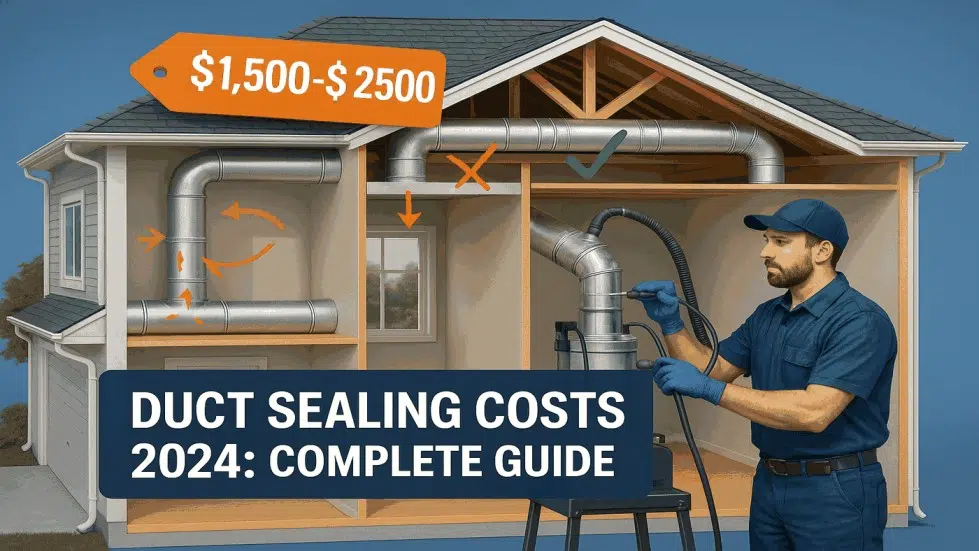
Understanding the costs associated with duct sealing requires a detailed look at the various factors that influence the final price. While the national average for professional duct sealing ranges from $1,500 to $2,500, this figure can vary significantly based on your home’s specific characteristics and the sealing method you choose. This section will break down the costs into their core components, providing a clear picture of what to expect when you invest in this crucial home improvement project.
Cost Breakdown by Home Size
The most significant factor influencing duct sealing costs is the size of your home and the corresponding length of your ductwork. Larger homes naturally have more extensive duct systems, which require more materials and labor to seal effectively. The table below provides a general breakdown of expected costs based on home size, compiled from industry data and contractor estimates.
| Home Size (Square Feet) | Typical Cost Range (Manual Sealing) | Typical Cost Range (Aeroseal) |
|---|---|---|
| Under 1,500 sq ft | $500 – $1,200 | $1,200 – $2,000 |
| 1,500 – 2,500 sq ft | $1,200 – $2,800 | $2,000 – $3,500 |
| Over 2,500 sq ft | $2,800 – $4,000+ | $3,500 – $5,000+ |
It’s important to note that these are general estimates, and the actual cost for your home may fall outside these ranges. Factors such as the complexity of your duct system, its accessibility, and the local labor rates in your area will all play a role in the final quote you receive from a contractor.
Manual Sealing vs. Aeroseal: A Tale of Two Methods
When it comes to sealing your ducts, there are two primary methods to consider: traditional manual sealing and the more advanced Aeroseal technology. Each method has its own set of advantages, disadvantages, and associated costs. Understanding the differences between these two approaches is crucial for making an informed decision that aligns with your budget and performance expectations.
Manual sealing is the traditional method of sealing ducts, and it involves a technician physically accessing the ductwork and applying mastic sealant or foil tape to all accessible leaks, joints, and connections. This method is generally less expensive than Aeroseal, with costs typically ranging from $1,000 to $2,500 for a professional job. However, the effectiveness of manual sealing is highly dependent on the technician’s skill and the accessibility of the ductwork. In homes with ducts hidden behind walls, in tight crawlspaces, or in hard-to-reach attic spaces, it can be challenging to seal all the leaks effectively. As a result, manual sealing typically reduces duct leakage by 50-70%.
Aeroseal, on the other hand, is a patented technology that seals ducts from the inside out. The process involves pressurizing the duct system and injecting a non-toxic, aerosolized sealant into the ducts. The sealant particles are drawn to the leaks and bond to the edges, effectively sealing them without the need for physical access to the entire duct system. This method is highly effective, often reducing duct leakage by up to 90% or more. However, the advanced technology comes at a higher cost, with Aeroseal services typically ranging from $1,500 to $4,000 or more. The chart below provides a visual comparison of the costs associated with different sealing methods, including DIY approaches.

Method,Min_Cost,Max_Cost,Average_Cost
Manual Sealing,500,2000,1250
Aeroseal,1200,4000,2600
Professional Manual,1000,5000,3000
DIY Sealing,50,300,175
Beyond the Basics: Additional Factors Influencing Cost
While home size and sealing method are the primary drivers of duct sealing costs, several other factors can influence the final price you pay. These additional considerations can add complexity to the job and increase the overall cost, so it’s important to be aware of them when budgeting for your project.
- Ductwork Accessibility: The accessibility of your ductwork is a major cost factor. Ducts located in open basements or easily accessible attics are relatively simple to seal, which keeps labor costs down. However, if your ducts are hidden behind walls, in tight crawlspaces, or in other hard-to-reach areas, the job will be more labor-intensive and therefore more expensive. In some cases, contractors may need to cut into drywall or flooring to access the ducts, which will add to the overall cost of the project.
- Condition of Ductwork: The current condition of your ductwork will also impact the cost. If your ducts are old, damaged, or have significant leaks, they will require more extensive repairs before they can be sealed. This can include patching large holes, reattaching disconnected sections, and replacing damaged components. The more extensive the repairs, the higher the cost will be.
- Geographic Location: Labor costs can vary significantly from one region to another. In areas with a higher cost of living, you can expect to pay more for professional duct sealing services. It’s always a good idea to get quotes from multiple contractors in your area to get a sense of the local market rates.
- Insulation: While not strictly part of the sealing process, insulating your ducts is a highly recommended upgrade that can further improve your home’s energy efficiency. If you choose to have your ducts insulated at the same time they are sealed, this will add to the overall cost of the project. However, the long-term energy savings from insulation can often justify the additional upfront investment.
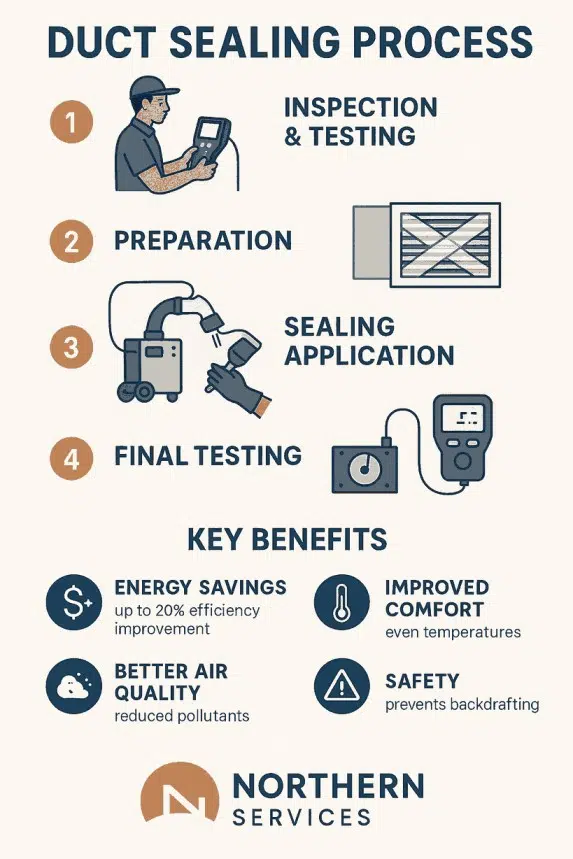
The infographic below provides a visual overview of the duct sealing process and its key benefits, helping to illustrate the value of this important home improvement project.
Case Study: Real-World Duct Sealing Results
To illustrate the real-world impact of duct sealing, let’s examine a case study from the National Renewable Energy Laboratory’s research in Raleigh, North Carolina. In this study, researchers worked with the Raleigh Housing Authority to evaluate the effectiveness of aerosol-based duct sealing in low-income housing units. The project involved sealing ducts in 50 single-family homes and 25 multifamily units, providing valuable data on both the costs and benefits of professional duct sealing.
Prior to sealing, the homes had an average duct leakage rate of 31% of the total airflow. This means that nearly one-third of the conditioned air was escaping before reaching its intended destination. After the aerosol sealing process, the average leakage rate was reduced to just 1.4%, representing a 95% reduction in duct leakage. The energy savings were substantial, with heating energy consumption reduced by 17% on average. The cost of the sealing service was approximately $700 per unit, including labor, and the projected annual energy savings ranged from $300 to $600 per home. This translates to a simple payback period of 1.2 to 2.3 years, making it an excellent investment for homeowners.
However, it’s important to note that not all homes will see such dramatic results. The effectiveness of duct sealing depends on the initial condition of the ductwork, the quality of the installation, and the specific characteristics of the home. In some cases, homes with relatively tight ductwork may see more modest improvements, while homes with severely leaky ducts may see even greater benefits than those observed in the NREL study. This variability underscores the importance of having a professional assessment before proceeding with duct sealing.
DIY vs. Professional: When to Call in the Experts
While professional duct sealing offers the most comprehensive and effective solution, some homeowners may consider a do-it-yourself approach to save money. DIY duct sealing can be a viable option for minor leaks in easily accessible areas, but it has significant limitations that homeowners should understand before attempting the work themselves.
The primary advantage of DIY duct sealing is cost savings. Basic sealing materials such as mastic sealant and foil tape can be purchased for $50 to $200, depending on the size of your project. However, the effectiveness of DIY sealing is highly dependent on your ability to identify and access all the leaks in your duct system. Many leaks occur in hard-to-reach areas such as behind walls, in tight crawlspaces, or in attic spaces with limited headroom. Without proper training and equipment, it’s easy to miss significant leaks or to apply sealants incorrectly.
Professional contractors have several advantages over DIY approaches. First, they have specialized equipment such as duct blasters and pressure gauges that allow them to accurately measure duct leakage before and after sealing. This ensures that the work is effective and provides quantifiable results. Second, professionals have the training and experience to identify all types of leaks and to apply sealants correctly. They also have access to commercial-grade materials that may not be available to consumers. Finally, professional work typically comes with warranties that protect your investment.
The decision between DIY and professional sealing should be based on several factors, including your budget, your comfort level with home improvement projects, and the accessibility of your ductwork. If you have easily accessible ducts and are comfortable working in attics or crawlspaces, DIY sealing may be a reasonable option for minor leaks. However, if you want comprehensive sealing with guaranteed results, professional service is the better choice.
Regional Variations and Market Factors
Duct sealing costs can vary significantly from one region to another, influenced by factors such as local labor rates, climate conditions, and the availability of qualified contractors. Understanding these regional variations can help you set realistic expectations for your project and budget accordingly.
In general, areas with higher costs of living tend to have higher labor rates for duct sealing services. For example, homeowners in major metropolitan areas such as New York, San Francisco, or Washington, D.C., can expect to pay 20-40% more than the national average for professional duct sealing. Conversely, homeowners in rural areas or regions with lower costs of living may find more affordable options. However, it’s important to note that the availability of qualified contractors may be more limited in rural areas, which could affect both pricing and scheduling.
Climate also plays a role in duct sealing costs and benefits. In regions with extreme temperatures, such as the northern states with harsh winters or the southern states with hot, humid summers, the energy savings from duct sealing can be more substantial. This is because HVAC systems in these areas work harder and longer to maintain comfortable indoor temperatures, making any efficiency improvements more valuable. In moderate climates, the energy savings may be less dramatic, but they are still significant enough to justify the investment in most cases.
The local market for duct sealing services can also affect pricing. In areas where duct sealing is well-established and there are many qualified contractors, competition can help keep prices reasonable. However, in markets where the service is less common or where there are few qualified providers, prices may be higher. This is particularly true for advanced technologies such as Aeroseal, which requires specialized equipment and training.
Financing Options and Incentives
For many homeowners, the upfront cost of professional duct sealing can be a barrier to moving forward with the project. Fortunately, there are several financing options and incentive programs available that can help make duct sealing more affordable and accessible.
Many utility companies offer rebates for energy efficiency improvements, including duct sealing. These rebates can range from $100 to $500 or more, depending on the utility and the scope of the work. Some utilities also offer low-interest financing programs that allow homeowners to spread the cost of energy improvements over several years. The monthly payments are often designed to be less than the expected energy savings, making the project cash-flow positive from day one.
Federal and state tax credits may also be available for certain types of energy efficiency improvements. While duct sealing itself may not qualify for these credits, it is often part of a larger home performance upgrade that does qualify. For example, if you combine duct sealing with insulation improvements or HVAC equipment upgrades, you may be eligible for federal tax credits of up to 30% of the project cost.
Some contractors also offer their own financing programs, allowing homeowners to pay for duct sealing over time. These programs can be particularly helpful for homeowners who want to proceed with the work but don’t have the cash available for the full upfront cost. When considering financing options, be sure to compare interest rates and terms to ensure you’re getting the best deal.
Maintenance and Long-Term Performance
Once your ducts have been sealed, proper maintenance is essential to ensure long-term performance and to protect your investment. While sealed ducts are generally very durable, there are several steps you can take to maintain their effectiveness over time.
Regular HVAC maintenance is one of the most important factors in maintaining sealed ducts. This includes changing air filters regularly, having your system serviced annually, and addressing any issues promptly. Dirty filters can restrict airflow and put additional stress on your duct system, potentially causing new leaks to develop. Annual HVAC maintenance can help identify and address small problems before they become major issues.
It’s also important to be mindful of any work that is done in areas where your ducts are located. For example, if you have electrical work done in your attic or plumbing work done in your crawlspace, make sure the contractors are aware of your sealed ducts and take care not to damage them. Even minor damage to sealed ducts can compromise their effectiveness and reduce your energy savings.
Most professional duct sealing comes with warranties that cover the work for several years. Be sure to understand the terms of your warranty and what is required to maintain it. Some warranties may require periodic inspections or maintenance to remain valid. Keep all documentation related to your duct sealing project, including before and after leakage test results, as this information may be needed for warranty claims or future work.
With proper maintenance, sealed ducts can provide benefits for many years. The sealants used in professional duct sealing are designed to be durable and long-lasting, with many products carrying warranties of 10 years or more. By taking care of your sealed ducts and maintaining your HVAC system properly, you can ensure that you continue to enjoy the energy savings and comfort benefits for years to come.
Action Plan: A Step-by-Step Guide to Duct Sealing
Now that you have a comprehensive understanding of the costs and benefits of duct sealing, it’s time to take action. This step-by-step guide will walk you through the process of getting your ducts sealed, from initial assessment to final verification.
- Assess Your Needs: The first step is to determine if your home would benefit from duct sealing. Look for common signs of leaky ducts, such as high energy bills, rooms that are difficult to heat or cool, and excessive dust. You can also perform a simple visual inspection of your accessible ductwork, looking for obvious leaks, disconnected joints, and damaged sections. For a more accurate assessment, consider a professional energy audit, which will include a duct leakage test to quantify the extent of the problem.
- Research and Select a Contractor: If you decide to proceed with professional duct sealing, it’s crucial to choose a qualified and reputable contractor. Look for contractors who are certified by organizations such as the Building Performance Institute (BPI) or the National Comfort Institute (NCI). Get quotes from at least three different contractors, and be sure to ask for references and proof of insurance. When comparing quotes, look beyond the bottom-line price and consider the contractor’s experience, the sealing method they use, and the warranties they offer.
- Choose a Sealing Method: Based on your budget, the accessibility of your ductwork, and your performance expectations, you’ll need to choose between manual sealing and Aeroseal. If your ducts are easily accessible and your budget is a primary concern, manual sealing may be a good option. However, if you have hard-to-reach ducts or you want the most effective sealing solution available, Aeroseal is likely the better choice.
- Prepare for the Job: Once you’ve selected a contractor and a sealing method, it’s time to prepare for the job. This may involve clearing the area around your registers and ensuring that the contractor has easy access to your attic, crawlspace, or basement. If you’re having your ducts sealed with Aeroseal, the contractor will need to seal off all your registers and vents to pressurize the system.
- Verify the Results: After the sealing work is complete, it’s important to verify the results. A reputable contractor will perform a post-sealing duct leakage test to show you how much the leakage has been reduced. They should also provide you with a detailed report of the work they performed and the results of the leakage tests.
Future Outlook: The Evolving Landscape of Home Energy Efficiency
The field of home energy efficiency is constantly evolving, with new technologies and building practices emerging all the time. As we look to the future, we can expect to see continued innovation in the area of duct sealing and home performance. One trend that is likely to continue is the integration of smart home technology with HVAC systems. This could include sensors that monitor duct performance in real-time, providing homeowners with instant feedback on their energy consumption and alerting them to any new leaks that may develop. We may also see the development of new and improved sealing materials that are more durable, easier to apply, and more environmentally friendly.
Another area of development is in the area of building codes and standards. As the importance of duct sealing becomes more widely recognized, we can expect to see stricter requirements for duct leakage in new construction and home renovations. This will help to ensure that all new homes are built to a high standard of energy efficiency, reducing energy consumption and lowering the carbon footprint of the housing sector. For existing homes, we may see an expansion of rebate and incentive programs to encourage more homeowners to invest in duct sealing and other energy-saving upgrades. By making these projects more affordable and accessible, we can accelerate the transition to a more energy-efficient housing stock and create a more sustainable future for generations to come.
Key Takeaways
- Significant Energy Savings: Leaky ducts can account for 20-30% of a home’s heating and cooling energy loss. Sealing them can save homeowners $300-$700 annually on utility bills.
- Cost Varies by Method and Home Size: Professional duct sealing costs range from $500 to $4,000+, with manual sealing being the more affordable option and Aeroseal offering higher performance at a premium price.
- Multiple Benefits Beyond Cost Savings: In addition to saving money, duct sealing improves home comfort, enhances indoor air quality, and increases the safety of your home by preventing the backdrafting of combustion gases.
- Professional Expertise is Key: While DIY options exist for minor leaks, professional contractors have the tools and expertise to properly seal and test your entire duct system, ensuring optimal performance and long-term durability.
References
- U.S. Department of Energy. (n.d.). Ducts. Energy Saver.
- U.S. Department of Energy. (n.d.). Minimizing Energy Losses in Ducts. Energy Saver.
- U.S. Environmental Protection Agency. (n.d.). Benefits of Duct Sealing. ENERGY STAR.
- National Renewable Energy Laboratory. (2014). Ducts Sealing Using Injected Spray Sealant.
- Tennessee Valley Authority. (n.d.). Duct Sealing & HVAC Tune-Up – Rebates. TVA EnergyRight.