


Key Takeaways
- What is a water pressure regulator A pressure reducing valve that maintains incoming water at a safe, consistent level to preserve pipes, fixtures and appliances. Put one in if you’ve got a high supply pressure or just to comply with local plumbing codes.
- The regulator employs a diaphragm and spring within a brass body to decrease and stabilize pressure. It is to be placed following the water meter with the flow arrow facing downstream.
- Select the appropriate type, size, and material by matching regulator capacity to pipe diameter and household consumption, verifying certifications, and opting for corrosion-resistant materials. Brass is suitable for most residences.
- Test and adjust the regulator to a normal residential setting around 50 to 60 psi. Check with pressure gauges upstream and downstream. Take small incremental adjustments while recording settings.
- Maintain the regulator. Check for leaks or corrosion, clean strainers or debris, and replace any unit that is over 10 to 15 years old or that cannot hold pressure.
- It minimizes water wastage, decreases water bills, prolongs the lifespan of your appliances, reduces pipe noises and water hammer, and promotes general plumbing system well-being.
A water pressure regulator is a device that maintains residential water pressure within a safe range. It decreases high incoming pressure to a consistent level, shielding your pipes, fixtures and appliances from destruction.
Regulators use basic mechanical springs and diaphragms and need minimal maintenance. Getting it the right size and checking it occasionally keeps it performing well and saves dollars on expensive repairs.
The core explores types, installation basics and failure signs for hands-on decision making.
The Regulator Explained
A water pressure regulator, known as a pressure-reducing valve (PRV), is a device installed at the point where the public water main enters the building supply. It lowers incoming pressure to a safer level for household plumbing and smooths out surges from the utility. Most plumbing codes insist upon a regulator to protect pipes, fixtures, and appliances. The typical household target pressure is 40-60 PSI.
The regulator sits inline and operates automatically, so downstream pressure remains within a preset range even when the city supply fluctuates.
1. Core Function
The essence is to chop and stabilize incoming water pressure from the public main or utility supply. High mains pressure pounds pipes and fittings, and the regulator knocks that down to a safe, handy pressure for taps, showers, and appliances.
It maintains downstream pressure stable during demand change, so opening a shower will not result in violent swings at other fixtures. Regulators defuse pressure surges and short-lived spikes that may result in leaking joints or broken fixture components.
Regulator clarification: A regulator enhances daily comfort by providing a consistent water flow at faucets and showers, preventing fluctuations in spray force. If upstream pressure increases, the regulator’s spring compresses further to counterbalance that increase.
The higher the incoming pressure, the more force on the spring. That feedback holds output approximately constant.
2. Key Components
A standard regulator consists of an internal diaphragm, a spring, an adjustment screw or bolt, and a brass body. The diaphragm senses downstream pressure and moves against the spring, which sets the target pressure.
Twisting the adjustment screw up or down adds or reduces spring tension to alter the setpoint. Almost all bodies are marked with an arrow for flow direction to avoid incorrect installation.
Fancy valves usually incorporate a little strainer or screen to snag debris prior to the valve internals. Regulators are available in common sizes of ¾ inch and 1 inch to suit standard service lines.
3. System Protection
Regulators reduce water hammer and pipe noise generated by high pressure. They achieve this by reducing the likelihood of slab leaks and catastrophic water damage, which lowers stress on pipes, joints, and fittings.
Less stress leads to a much longer life for the entire plumbing system, and precious, fragile equipment like water heaters and reverse-osmosis units fare much better at consistent, lower pressures.
Examining the Regulator: The easiest way to check a regulator for trouble is to look for pooling water underneath it. A leak around the body typically indicates it is in need of repair or replacement.
Standard replacement schedules are every five years or so to prevent failure.
4. Pressure Dynamics
Regulators respond to demand differences and maintain the downstream set pressure regardless of flow. Static pressure forward from the supply is dropped to a usable household level.
Gauges placed upstream and downstream of it can demonstrate how well the valve holds pressure. In hill towns or mountainous regions, the incoming pressure can be abnormally high, so regulation is necessary to avoid pipe strain and equipment damage.
Regulator Types
Water pressure regulators fall into two broad classes: mechanical and electronic. Both control pressure by utilizing feedback of the regulated pressure as input to a control mechanism, and both are configured as pressure-reducing regulators or back-pressure regulators depending on the application.
Pressure-reducing regulators maintain a desired downstream pressure and are relatively unaffected by upstream fluctuations. Back-pressure regulators control upstream pressure to keep the system at a set value. The regulating member in either type typically employs a spring-loaded diaphragm or piston, with loading that can be a spring, weight, piston actuator, or a diaphragm with a spring.
Mechanical
Mechanical regulators utilize a spring-loaded diaphragm or piston to detect pressure and control a valve opening. The spring compresses or relaxes as feedback pressure changes, and the diaphragm converts that motion into valve movement.
These are the most common regulators in residential plumbing for good reason: they are simple, proven, and easy to service. Mechanical pressure-reducing regulators are common at service entrances to reduce municipal supply pressure to a safe, stable household level.
Back-pressure mechanical regulators appear in systems that have to maintain a specific minimum upstream pressure, as with some chemical feed lines. Construction is usually brass for the body and internals, selected for corrosion resistance and durability. Maintenance is generally confined to periodic inspection and seat replacement.
They are not dependent on electronics, so they handle power loss and dirty water better. Mechanical regulators are appropriate for the majority of households and some light commercial applications. They operate with the majority of pipe materials and can manage constant flows with moderate fluctuation.
They are less accurate than electronic units when demand shifts rapidly and tuning can involve manual calibration or exchanging springs to alter setpoints.
Electronic
Electronic pressure reducing valves, or PRVs, utilize sensors along with solenoid or motorized valves to deliver precise, programmable control over home water pressure. A pressure sensor relays real-time values to a controller that manages a valve actuator. This functionality allows for automatic adjustments to fast pressure fluctuations and varying flow requirements, making them ideal for complex systems with multiple water outlets, such as household plumbing or commercial irrigation systems.
These electronic units can operate in pressure-reducing or back-pressure control modes, and they typically log performance data for diagnostics. However, it’s important to note that electronic regulators require power and may need cleaner water or filtration to protect sensors and valves from issues like leaky pipes. They offer high precision and flexibility, but this comes at the cost of increased maintenance complexity compared to mechanical devices.
Homeowners must weigh the need for consistent water pressure and remote control capabilities against their budget when choosing between mechanical and electronic pressure regulators. Ultimately, understanding the dynamics of your home water pressure is crucial for making the right decision, especially in areas with elevated water pressure or fluctuating supply.
In summary, whether opting for a mechanical unit or an electronic pressure regulator, ensuring the quality of your plumbing system is vital. Consulting with a qualified plumbing contractor can help homeowners navigate the complexities of their water systems and achieve optimal performance.
| Feature | Mechanical | Electronic |
|---|---|---|
| Control method | Spring/diaphragm or piston | Sensors + actuator |
| Best for | Residential, simple systems | Complex, variable-demand systems |
| Precision | Moderate | High |
| Power needed | No | Yes |
| Maintenance | Low | Higher, sensor care required |
Proper Selection
The proper selection of a water pressure regulator impacts performance, longevity, and safety. Before reviewing size, material, and certifications, note the five key variables needed to size any regulator accurately: upstream pressure, desired downstream pressure, expected flow range, temperature, and fluid type.
Collect pipe diameter and peak fixture demand as well. Size the regulator for at least three different flow points to capture low, medium, and peak usage conditions. This provides a realistic scope of needed flow control.
Sizing
Make sure you pick a regulator sized to your main water line diameter for best flow. For most homes this will be in the 12.7–25.4 mm (1/2 to 1 inch) range. The larger the service, the larger the regulators need to be.
Undersized regulators will choke supply and cause unacceptably low pressure at fixtures. Big units won’t hold set pressure at low flow because their internal parts require a minimum flow velocity to function accurately.
Steps to calculate required regulator size and capacity:
- Determine all fixtures and appliances that could operate at the same time, and allocate fixture units or anticipated flow rates in litres per minute. Sum them to achieve peak flow.
- Measure or source upstream pressure and desired downstream pressure, typically between 2.7 and 4.1 bar or 40 and 60 psi. Observe any variability over time.
- Translate peak flow and pressure drop through the pipe network into equivalent velocity or Cv, which is the flow coefficient needed for the regulator.
- Choose a regulator whose nominal pipe size equals the supply and whose Cv curve encompasses the anticipated flow range at set pressure. Verify performance at low, medium, and high points.
Materials
Frequent regulator body elements are brass, stainless steel, and composite plastics. Brass is typically preferred for residential regulators as it strikes a great combination of being strong, highly machinable, and corrosion resistant.
Stainless is used where there is chemical exposure or heat. Composite plastics are light and resist some forms of corrosion but have lower pressure ratings.
Select corrosion-resistant products in aggressive water chemistries or high-chloride areas. What you select in materials will have an impact on price, longevity, and adherence to existing fittings and pipe types.
Think brass for your run-of-the-mill homes, stainless for rough and tough situations, and composite for lighter-duty or economical selections. Check that sealing materials, such as rubber or elastomer types, are compatible with water temperature and additives.
Certifications
Make sure your regulator meets Universal Plumbing Code and that it has NSF listings or manufacturer certifications for potable water. Certified valves simplify inspections and code compliance and minimize liability hazards.
Some common certification marks to look for:
- NSF/ANSI 61
- CSA B125
- UPC (Uniform Plumbing Code) mark
- WRAS (where applicable internationally)
- CE marking for European markets
Installation Guide
The proper install not only keeps the regulator operating as intended, but protects your plumbing fixtures from high pressure damage. Use manufacturer instructions and local codes. Gather tools: shovel, pipe cutter or hacksaw, water meter key, wrench, screwdriver, Teflon tape, gloves, and a pressure gauge.
Study the regulator manual in advance and map out the steps so you can work safe and fast.
Location
Install the regulator behind the water meter and prior to the first branch line to regulate pressure for the entire building. Install it somewhere convenient like your basement, garage, or a front wall service cavity so you can access the adjustment knob and gauges.
Don’t put it in places that freeze in winter or that are in direct sun for long periods, as temperature extremes can harm the body or diaphragms. Ensure the arrow stamped on the regulator body is pointing towards the home. The inlet is the street side and the outlet is the house.
Procedure
- Shut off the main water supply at the main shut-off valve near the meter and drain downstream lines by opening faucets and a low drain.
- Mark and cut a suitable length of pipe using a pipe cutter or hacksaw where the regulator will sit.
- Deburr pipe ends, dry fit regulator and verify orientation with flow arrow.
- Use Teflon tape or approved thread sealant on threaded connections and tighten couplings with a wrench to secure the inlet and outlet.
- Install a downstream pressure gauge near the regulator to observe set pressure and assist with adjustment.
- Gradually turn the main water back on while observing for leaks and pressure surges.
- Turn the regulator adjustment knob while watching the gauge to your desired pressure.
- Double check all fittings and snug where necessary. Then run fixtures to ensure consistent flow.
To ensure a watertight seal, apply Teflon tape to threaded joints. Firmly push the pressure reducing valve’s threaded inlet into the coupling and secure it with appropriate fittings. After turning on the water supply, make minor adjustments to achieve consistent water pressure before final tightening.
Best Practices
Test house water pressure before you install to know the baseline and after to confirm effectiveness! Try to shoot for the typical home range of 2.7 to 4.1 bar (40 to 60 psi), which is often dialed down to around 50 to 60 psi for comfort and protection of household appliances.
Check your regulator from time to time for leaks, corrosion, or wear. Replace worn seals or the unit altogether if you notice its performance suffers. Remember to jot down the installation date, model, set pressure, and any maintenance for future reference or home inspections.
A Systemic View
A water pressure regulator is a control point in a larger plumbing system. System pressure is set by many parts: reservoir and tank levels, mains pressure, local flow demands, and pressure-reducing stations.
A systemic view demonstrates that a single regulator impacts downstream fixtures and appliances and that multiple regulators or strategically placed PRVs are generally required to maintain pressure steady throughout a home or small complex.
Water Conservation
Regulators flow surplus at fixtures, so less water leaves taps needlessly. Regular outlet pressure prevents users from taking extended sprays or powerful flows that result in excessive showering and sink filling.
Kept in a focused band, pressure reduces total household water consumption and utility bills.
- Reduces wasted water from overly strong flows.
- Lowers average flow rate at showers and faucets.
- Helps shorten shower time by keeping steady spray patterns.
- Cuts frequency of leaks from stressed fittings.
- Decreases hot water waste, saving on energy costs.
- Supports compliance with local conservation rules and codes.
These gains are most convenient to estimate where household strain is introduced on a level from 30 to 80 psi. The lower bound keeps fixtures useful, and the upper bound avoids waste and abuse.
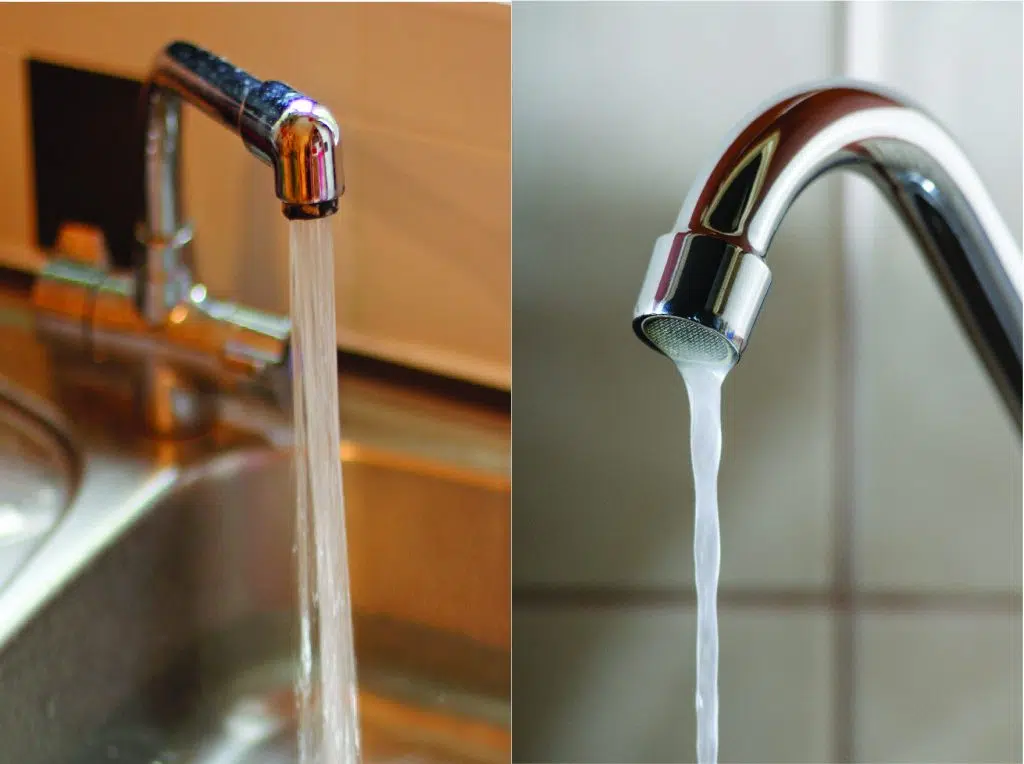
Pressure reducing valves installed in close proximity to the meter or at the residence guarantee the entire system receives the same baseline pressure so that conservation’s effects are equal.
Appliance Longevity
Stable pressure saves water heaters, dishwashers, and washing machines from repeated stress that wears seals, hoses, and heat exchangers out. Sudden surges can induce micro-fractures or rapid cyclic loading in parts engineered for consistent input.
A controlled system minimizes the risk of slow drips you don’t catch in time and it leads to a full-blown overhaul.
Manufacturers may void warranties after recorded pressure spikes, so maintaining pressure within suggested levels can help keep your warranty intact. Keeping the regulator in shape—checking every few years and replacing in a normal 10 to 15 year life cycle—optimizes appliance longevity and minimizes surprises.
In many systems, fitting PRVs both at the meter and at strategic downstream points provides layered protection for appliances in different zones of the building.
Noise Reduction
High pressure causes pipes to sing, rattle, or bang, and pressure regulators dissipate those sounds by extracting the excess energy from the flow. Water hammer and quick closing valves generate shocks that propagate through piping.
Low, constant pressure avoids rattling in walls and fixtures and minimizes the requirement for aftermarket quieting solutions.
Silent performance enhances residential comfort and facilitates the early discovery of other defects. Persistent noise is usually indicative of a mis-set or failing regulator.
Checking for this new or recurring noise is a practical, low-cost method to identify regulator problems before they result in leaks or appliance strain.
Maintenance & Troubleshooting
Regular maintenance and minimal repair make a water pressure regulator dependable and long-lived. Routine inspections identify wear, dirt, and adjustments drift before it is too late. A standard regulator has a lifespan of approximately five to fifteen years, and some experts advise replacements every five years in homes with hard water or frequent use.
Monitor pressures, observe for leaks or strange noises, and record adjustments so you can identify trends like creep or supply pressure influence.
Common Issues
If your water pressure is going up and down, you have weak showerheads, faucets that sputter, or sudden pressure spikes, then these are indications of regulator trouble. Mineral buildup and debris can clog internal ports and seats, decreasing flow and causing pressure loss at fixtures.
Old or worn regulators frequently cannot hold a fixed outlet pressure, generating either high pressure that threatens fixture damage or low pressure that impedes everyday use. Inspect the vicinity of the regulator for any pools of water, as this type of standing water is a common indicator of a leaking diaphragm or failed seals.
High water bills and water damage near the regulator are additional indicators of failure.
Safe Testing
Check static water pressure with a calibrated gauge at a hose bib or kitchen faucet. Take a baseline reading before any adjustment and another after each change to observe the impact.
Test at various fixtures, including the outdoor spigot, shower, and kitchen, to ensure the regulator is providing steady pressure throughout the house. When removing or opening the regulator, close the main supply and release downstream pressure to prevent water spray and safeguard device internals.
Adjustment Steps
Find the adjustment screw, typically under a cap, and loosen the lock nut to free it. Turn the screw clockwise to raise pressure and counterclockwise to lower it. Make only small moves and recheck with your gauge after each turn.
Don’t go above suggested outlet pressure, usually 50 to 60 psi (approximately 345 to 414 kPa) for most houses, to avoid damaging pipes and fixtures. Retighten the lock nut and record the new setting for your records. Note inlet pressure too, since SPE can affect outlet behavior.
Replacement Signs
If you have persistent leaks, bubbling, or visible corrosion or if your tank cannot hold a given pressure, then replacement is required. Regulators older than 10 to 15 years are more prone to fail from wear.
Pounding pipes or pressure that cannot be managed with an expansion tank are other signs. If creep returns following cleaning or adjustment, or if pressure tracks inlet fluctuations despite adjusting, think about a two-stage reduction plan or a new regulator.
Conclusion
A water pressure regulator maintains residential plumbing secure and consistent. It reduces incoming pressure to a consistent, usable level. Choose a model that matches pipe size, flow rate, and local code. Install the unit close to the main shutoff and incorporate a gauge to check. Test pressure post-install and recheck annually or after major work. Clean or replace worn components to prevent leaks and squealing. Watch for drops in hot water flow or banging pipes as warning symptoms.
Little steps make for money savings and damage prevention. Check specs, use the right fittings, and follow simple service steps. For assistance, consult a licensed plumber or the manufacturer for specific local guidance.
Frequently Asked Questions
What is a water pressure regulator and why do I need one?
A pressure reducing valve (PRV) restricts incoming mains pressure to a safe, consistent water pressure level, safeguarding household plumbing, pipes, fixtures, and appliances from harm. It minimizes drips and waste, making it essential for homes with elevated water pressure above 500 kPa or 72 psi.
How do I know if my regulator is failing?
Symptoms of pressure fluctuations include changing pressure, noisy water hammer, leaky pipes, and surprise high water pressure at taps. A pressure gauge on an outdoor hose faucet can verify elevated water pressure near the main water supply line.
What pressure setting is best for a home?
A typical safe setting for home water pressure is 300 to 400 kPa (43 to 58 psi), allowing for consistent water pressure across multiple water outlets while saving water and enhancing fixture lifespan.
Can I install a regulator myself?
Simple setups can be managed by plumbing-savvy DIYers with the right shutoff equipment. For code compliance, complicated systems or gas regulators, employ a licensed plumber so installation is safe, proper, and covered by warranty.
How often should I service a water pressure regulator?
Inspect your pressure reducing valve once a year and test the home water pressure every one to two years. Change or rebuild the valve every five to ten years, or sooner if performance wanes to avoid pressure fluctuations.
Are there different types of regulators for different systems?
Yes. Primary varieties consist of adjustable spring-loaded pressure reducing valves, non-adjustable, and pilot-operated regulators. Select based on flow requirement, home water pressure, pressure range, and use (home, commercial, irrigation).
Will a regulator affect water flow to appliances?
A correctly sized pressure reducing valve ensures consistent water pressure without impeding flow. Undersized units can cause flow reduction at peak demand, affecting the overall efficiency of your home water systems.