


Key Takeaways
- Be on the lookout for slow drains, gurgling noises, or even a persistent sewage smell as typical first signs of tree roots in sewer lines. Note which fixtures are affected to assist with pinpointing the intrusion.
- Check your yard for sinkholes or lush grass patches over sewer pipes, both signs of leakage and worth immediate service.
- Know that aging or compromised pipe materials and adjacent mature trees pose a greater risk of infiltration and focus camera inspections accordingly.
- Rely on professional diagnostics, such as sewer camera inspections, dye testing, or smoke testing, to verify root intrusion and identify exact repair locations.
- Use routine hydro jetting, chemical root treatments, scheduled cleaning, and trenchless repairs or pipe replacement for long-term protection.
- Change landscaping and watering habits and avoid planting high-risk tree species near sewer lines to minimize future root issues.
Signs of tree root intrusion in sewer line are physical manifestations that roots have penetrated or clogged underground conduits. Some common symptoms are slow running drains, occasional gurgling sounds in the toilet, sewage smell in the backyard, and wet spots or sinkholes near drains.
Roots showing at cleanouts or continual clogging after snaking indicate intrusion. Early detection limits pipe damage and repair costs. The next few paragraphs describe causes, inspection steps, and repair options.
Intrusion Indicators
The earlier tree root intrusion is detected in sewer lines, the less the repair will be and the cheaper. The intrusion indicators below detail what to look for, why they happen, where they typically occur, and how to record them for a plumber or inspection camera.
1. Slow Drains
Sluggish sink, tub, toilet or laundry drainage is the most common indicator that roots are impeding flow. When more than one fixture slows, it’s the main sewer line that’s compromised, not a single trap or branch pipe.
Keep tabs on which drains are sluggish and when the trouble intensifies, for example, after operating the washing machine or multiple back-to-back showers, to identify the pattern indicative of a main line blockage. If you make regular phone calls to a plumber every few months about the same clog, roots are a prime candidate, particularly if you live in an older home with clay or cast-iron pipes that are susceptible to root invasion.
2. Gurgling Sounds
Gurgling from toilets, sinks or floor drains usually signifies air that is caught upstream of a partial blockage by roots. These noises can happen if a far-off appliance is on, such as a dishwasher or laundry machine, and the air is pushed through a constricted pipe.
Pay attention to whether gurgling occurs in multiple bathrooms or only at certain times, for example during heavy storms or when several fixtures run together. Note which fixtures are being used when the sound occurs. This pinpoints the search for a camera plumber.
3. Foul Odors
Sewage odors in or around the home can be a sign of cracks or breaches where sewer gas escapes, typically opened up by root intrusion. Odors that are most potent near a certain drain, in the yard, or near the vent stack indicate a local leak.
Odors are persistent, they are a health hazard and they indicate active leakage that can fertilize the soil, creating visible aboveground manifestations. Create a checklist of locations where the smell is most intense to assist focus area during examination.
4. Sinkholes
Unexpected sinkholes in your lawn over the sewer line indicate soil has flowed into a broken pipe. These weak points might show up even during dry weather if sewage is leaking and washing away support soil.
Note the dimensions, including depth and exact position in relation to the house and sewer cleanouts. Sinkholes signify serious damage and typically require emergency repair or replacement of the impacted sewer section.
5. Lush Patches
Uncommonly green or lush grass above a sewer line is a tell-tale sign that sewer nutrients are feeding the turf. Compare yard areas and mark patches that remain soggy or grow more rapidly.
Track these changes over time in a simple table: date, patch size, nearby trees (willow, silver maple, poplar, American elm), and recent plumbing events. Lush patches and soggy ground are powerful indicators of intrusion from root-damaged pipes.
Root Infiltration
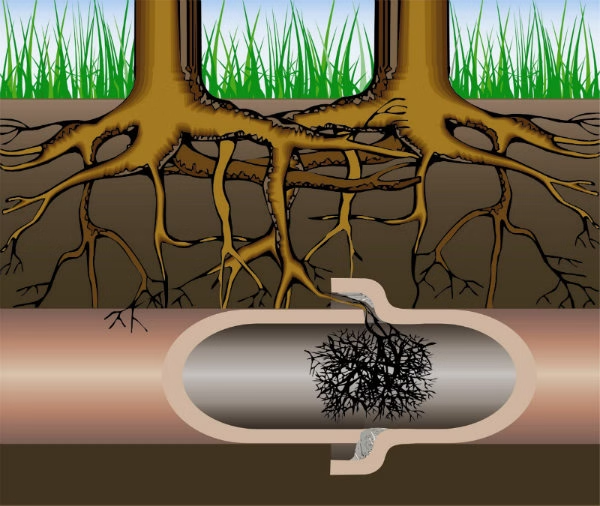
Root infiltration is when tree roots invade and penetrate vulnerabilities in sewer pipes. Roots find the moisture and nutrients they need, worm their way into tiny cracks, defective joints, or minor fractures, and in time can grow from delicate hairs to thick mats that coat pipe interiors.
This process is gradual and can progress through clear stages: an initial pipe breach where tiny root hairs enter, partial root growth that narrows flow, and eventual full clogs that block waste and cause backups. If left unchecked, infiltration can cause emergency sewage backflow and costly repairs, particularly in infrastructure in close proximity to mature trees like willows, silver maples, poplars, and American elms.
Pipe Vulnerability
Old pipes and some materials break down more frequently due to root pressure. Clay and cast iron pipes in older homes are typical failure points since joints can move and seals deteriorate. Small cracks and loose joints provide roots with an open access point.
- Clay pipes present a high risk because they are rigid, jointed, and prone to joint separation and root entry over decades.
- Cast iron is a moderate to high risk because it corrodes and can crack, especially where soil movement occurs.
- PVC/modern plastics — lower risk: continuous lengths and tight seals reduce entry points. They are not immune if damaged.
- Cement or concrete creates a moderate risk as it can crack under pressure or settle, creating gaps for roots.
Focus inspection and replacement on high-risk sections, namely older joints and areas where tree roots are known to be present. Video pipe inspection provides an accurate location and aids in determining whether repair, relining, or full replacement is necessary.
Root Attraction
Trees are naturally attracted to grow towards water and nutrients. Just a slight sewer leak or elevated moisture near a sewer line will attract roots, and the most troublesome species are aggressive ones with shallow but extensive root systems.
Mature trees are more dangerous as their root masses are large and long-lasting. Planting new pipes away from root zones, ideally at least 3 metres, mitigates future risk. If you can’t relocate, install root barriers or select pipe material and joint types that resist root penetration.
Soil Conditions
Loose, moist, nutrient-rich soil accelerates root growth and facilitates roots’ access to and exploitation of pipes. Soil type matters: sandy or loose loam allows faster root spread than dense clay.
Irrigation run-off, sprinkler overlap, or a high water table create consistent moisture that beckons roots. Tune landscaping and watering to minimize saturation near lines. Consider drip systems positioned away from pipe paths and no overwatering in zones adjacent to sewer mains.
Professional inspections every 1 to 5 years, closer if it’s near a large tree and soil is moist, catch slow drains, gurgling, and minor backups as early indicators.
Culprit Species
Some tree species are much more likely to intrude on sewer lines due to their root habits and rate of growth. Willows, silver maples, poplars, and American elms are notorious for their aggressive, fast-growing roots that spread far and seek weaknesses in pipes. Trees with shallow, expansive roots foraging for moisture and oxygen tend to congregate in the same vicinity as subterranean sewer pipes.
Mature trees with large, spreading roots are the most dangerous because their root mass and search radius grow with age.
Identify common tree species known for aggressive root systems
Willows and poplars are at the high end of the list of offenders, as they grow fast and send roots out far from the trunk. Silver maples and American elms produce broad, fibrous roots that take advantage of tiny fissures or joints in aging clay or cast-iron pipes. Other invasive species include black locust and eastern cottonwood.
Fast growth matters. Species that add a lot of root biomass each year are likelier to reach and penetrate sewer lines sooner than slow growers. Where soil is wet and pressurized, roots linger close to the pipe and exert continuous pressure, expanding joints and infiltrating through cracks.
Risk table for tree species and root intrusion
| Tree species | Risk level | Key traits |
|---|---|---|
| Willow | High | Very fast grower; wide, shallow roots; strong moisture-seeking behavior |
| Silver maple | High | Rapid growth; fibrous surface roots; common in urban landscapes |
| Poplar (cottonwood) | High | Fast growth; extensive lateral roots; tolerant of varied soils |
| American elm | High | Spreading root system; historically common street tree |
| Black locust | Moderate-High | Deep and surface roots; adaptable and aggressive |
| Oak (many species) | Moderate | Deep taproots in youth; can spread laterally when mature |
| Birch | Moderate | Surface roots but less aggressive than willow or poplar |
| Fruit trees (apple, cherry) | Low-Moderate | Variable; smaller mature root spreads but can still intrude if near pipes |
| Pine and fir | Low | Generally deeper roots; less likely to invade shallow sewer lines |
Don’t plant susceptible species within at least 3m (10ft) of identified sewer runs. Whenever replacement is required, opt for species with noninvasive root habits or install root barriers between the tree and pipe.
Recognize the role of maturity and placement
Little trees don’t cause problems. Mature specimens with 100-pound root balls and 50 years of spread behind them become the potential culprit. Map sewer lines before planting.
Homeowners should check their lines more often if they’ve got high-risk trees on their property. Routine camera inspections can detect incursion early, avoiding repair costs that vary from approximately USD 100 for basic clearing to over USD 10,000 for complete pipe replacement.
Seasonal Impact
Seasonal changes transform root activity and sewer line susceptibility, so timing is everything when observing for infiltration. Roots lag in the cold months, but don’t cease; they seek moisture and warmth and sometimes push into tiny fissures. Freeze and thaw cycles in winter widen joints and hairline fractures, providing roots with new entry points as soil thaws.
During spring and summer, roots grow quicker, fueled by warmer temperatures and increased metabolism, further boosting the likelihood they encounter and infiltrate pipes. Watch sewer performance post downpour and drought because soil moisture variations alter root patterns. Following heavy rain, saturated soils force roots to come closer to the surface and to pipe joints where water collects.
During drought, roots reach out more aggressively horizontally to locate water, sometimes even taking advantage of sewer lines they passed by in wet seasons. Homeowners frequently experience slow drains or surprise back-ups after an extended wet spell or a deep dry spell, both of which can expose seasonal root activity.
Keep inspections ahead of peak growth seasons to detect initial signs of invasion. An annual camera inspection in late winter or early spring records pipe condition before roots get aggressive. Video identifies early root tips, small cracks, and joint offsets that are less expensive and simpler to repair than full blockages.
For properties with trees that have fast-spreading roots, such as willow, poplar, silver maple, and certain varieties of eucalyptus, shift inspections forward and consider moving to more frequent inspections.
Implement seasonal preventive measures to mitigate risk and protect pipes. In spring, clear exposed roots near identified cleanouts and treat with focused mechanical cutting or safe chemicals when allowed. Summer is a great time for root inhibitors and patching minor defects uncovered by inspections.
In the fall, strengthen gutters and grading to prevent surface water from pooling near sewer lines. In winter, watch for freeze-thaw damage and postpone trench work if possible as frozen ground will conceal pipe shifts.
Soil type and local climate alter the seasonal impact on sewer lines. Clay soils retain water and provide freeze-thaw damage that creates root pockets. In sandy soils, drainage may be quick and some risk is diminished.
Property owners should map tree species and root zones against sewer routes to determine priorities. Routine maintenance, seasonally camera checked, and timing repairs prior to spring growth make this service a safeguard against catastrophic failure and expensive excavations.
Professional Diagnosis
Expertise determines if tree roots penetrated a sewer line and the extent of the damage. Any early warning signs, such as slow drains, gurgling, frequent clogs, or localized wet spots, should immediately trigger a professional diagnosis. If your home has big trees near sewer runs, inspections once a year are reasonable.
Properties with known root problems require them every 6 to 12 months. Newer homes with PVC pipes and no close trees could extend inspections to 3 to 5 years. A professional diagnosis helps you avoid emergency cleanings and property repairs that, over 5 to 10 years, can end up costing more than one permanent fix.
Camera Inspection
Sewer camera inspection provides a direct visualization of the pipe interior and root behavior. Technicians insert a semi-rigid, waterproof camera into the line and film continuously. That footage indicates where roots enter, how far they intrude, and any fractures, offsets, or collapsed sections.
Use the captures to determine if a precision cut, “spot” repair, lining, or replacement is required. Preserve photos and video. Post-repair camera inspections verify that the entrance is sealed and roots do not infiltrate again. Many businesses have a free camera check promotion.
Take advantage when you can so you don’t get hit with surprise fees. For instance, video could reveal a single joint intrusion in need of a sleeve or a long root segment that makes CIPP the superior long-term option.
Dye Testing
Dye testing follows flow paths and identifies leaks where roots have breached the pipe. We flush colored dye into toilets or drains and look for evidence at downstream cleanouts, yard drains, or other unintended exits. If dye shows up in a yard low spot, sink, or adjacent storm drain, that is your failure point.
Note the results with time stamps and images to help that plumber find the issue section fast. Dye testing pairs well with camera work. Dye narrows the suspect area, and the camera confirms the damage type.
Use this hybrid to minimize digging and localize repairs to the particular pipe segment.
Smoke Testing
Smoke testing exposes invisible cracks, defective seals and side gaps through which roots frequently infiltrate. Blow non-toxic smoke into the sewer under a little pressure and see where it leaks through the ground, up around roots, and out of building fixtures. Escaping smoke identifies leaky joints and helps you prioritize repairs.
Ventilate well and heed safety advice because smoke testing can push out toxic gases if improperly performed. About Professional Diagnosis: Use results to plan root clearing, sealing or lining work and set follow-up inspection schedules for ongoing root exposure.
Mitigation Strategies
Root intrusion needs a clear plan that mixes short-term fixes with long-term changes. Start by assessing the scale of the problem. Identify visible signs like soggy or sunken lawn areas, lush green patches, slow drains, and strong sewer odors. Inspect the line with a camera to locate roots and pipe damage.
Know whether local bylaws make you responsible for the sewer lateral and check for financial aid programs that can offset costs. Apply root killer treatments or chemical root inhibitors to clear sewer lines of roots and prevent regrowth. Chemical foams or copper sulfate kill roots on contact and impede regrowth for a period.
Treatments generally need to be applied once every 1 to 3 years. They work, but not forever. Arrange for the sewer line to be cleaned 3 to 4 weeks following chemical treatment to clear out dead root masses, as decomposed roots can still obstruct the pipe. Know local ordinances about chemicals near water supplies and obtain a licensed contractor when dealing with municipal systems.
Conduct routine drain cleaning and hydro jetting to promote unobstructed pipe flow and minimize blockages. Mechanical snaking clears instant obstructions and high-pressure hydro jetting scrubs roots and biofilm from the pipe lining. If you have large trees near your home, schedule inspections once a year and clean as needed.
Some properties with active root problems are best served by semiannual service. Hydro jetting is quick and does not require invasive surgery, but it does not repair structural pipe defects that lure roots back. Think outside of the box on sewer line repairs and embrace technologies like pipe lining or pipe bursting to get permanent sewer line plumbing repair without giant digging.
Cured-in-place pipe (CIPP) lining essentially creates a new seamless pipe inside the old one, sealing cracks and joints where roots are entering. Pipe bursting replaces the pipe in place using minimal surface disturbance and is useful when the line is too damaged for lining. Trenchless means less landscaping damage and usually your city will accept it as well.
Have a camera inspection first to make sure you’re a good candidate. Follow-up mitigation strategies include renewing damaged pipes with new pipe materials less susceptible to root infiltration. Opt for structurally sound, corrosion-resistant materials that will last over 50 years, like today’s HDPE or PVC made for sewer use.
When planting, maintain large trees a minimum of 10 meters (approximately 10 feet) from sewer lines to minimize future risk. Work with local governments on lateral responsibility and investigate assistance programs. Certain municipalities offer grants to assist with root removal and pipe repair.
Conclusion
Tree roots can locate sewer lines via microscopic cracks or loose joints. Early indicators are slow drains, stinky odors, gurgling toilets and soggy patches of grass. Small solutions, like targeted root cutting and pipe lining work for light damage. Larger breaks require complete repair or section replacement. Some trees send roots deep and wide, and wet seasons accelerate the growth. A plumber with a camera can demonstrate precisely what the issue is and present clear choices along with cost and time frames.
Choose the remedy that suits the extent of the harm, your budget, and long-term requirements. For a complimentary estimate or to schedule a camera inspection, reach out to a licensed sewer professional near you.
Frequently Asked Questions
What are the most common signs of tree root intrusion in a sewer line?
Slow drains, gurgling toilets, foul odors and recurring clogs, as well as wet spots or sinkholes in the yard, point to root intrusion. These are indicators of physical blockages or pipe damage due to roots.
How do professionals confirm root intrusion?
Plumbers use a camera inspection (sewer scope) to see inside pipes. The video shows roots, cracks, or displaced joints. This is the best diagnostic tool.
Which tree species are most likely to invade sewer pipes?
Willow, poplar, silver maple, and eucalyptus are high risk. Fast-growing trees with aggressive root systems find their way to water by breaking into pipe joints or cracks.
Does season affect root intrusion risk or symptoms?
Yes. Roots grow the most in the spring and summer. Signs can be more severe during dry periods as roots search for leaks. Roots can invade year-round once a path exists.
Can chemical root killers fix the problem permanently?
Chemical root killers provide a temporary solution by killing roots within pipes. They don’t repair pipe damage or prevent regrowth. Utilize them merely as a stop-gap while you’re planning repairs.
What long-term repairs stop root intrusion?
Trenchless pipe relining, pipe bursting or replacing damaged sections with PVC or HDPE permanently repair leaks and seal entry points. These techniques re-establish flow and lessen future root penetration.
When should I call a professional plumber or arborist?
Signs of tree root intrusion in sewer line
Call a plumber when you see frequent clogs, smells, or sagging in your yard. Consult an arborist prior to cutting down or pruning large trees to evaluate risk and suggest safe removal or root barriers.